

A design question posted with a dim photo and no sizes rarely gets the answer its writer hoped for — not because readers lack goodwill, but because nobody can judge a room they cannot see or a gap they cannot size.
This guide shows how to ask well: what to photograph, which measurements to state, how to describe a budget and the things that cannot change, and how to ask one clear question at a time — so the advice that comes back is advice you can actually use.

1. Asking a Home Design Question at a Glance
A useful answer begins with a useful question. Most design questions concern the rooms people live in hardest — the layouts explored in kitchen ideas are a good example — and the readers answering them share one need: enough honest detail to picture your room as if they were standing in it.
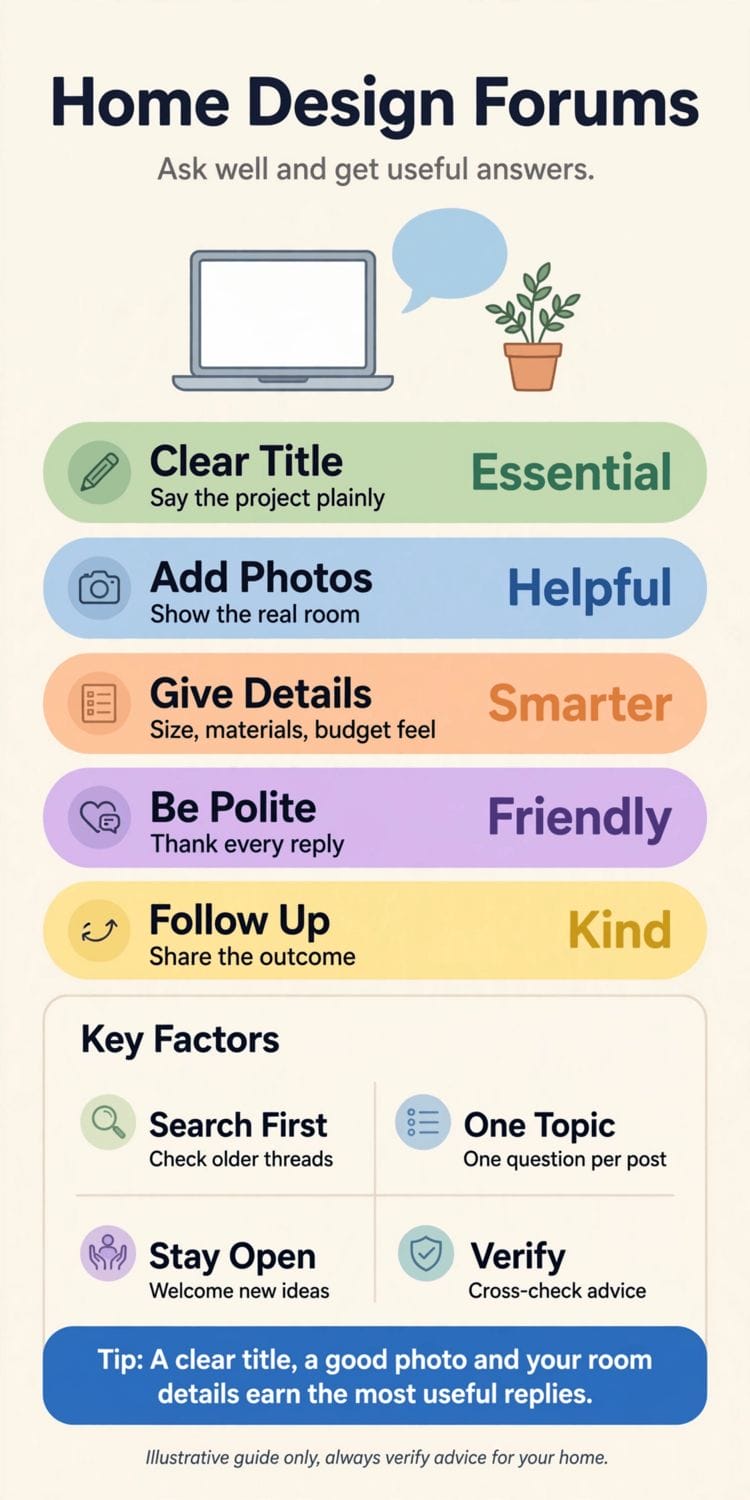
The five parts in the table below are the whole habit in miniature. None of them takes long, and together they turn a vague worry into a question a stranger can answer well: the room and the decision, clear photos, plain measurements, a general budget with its constraints, and one clear ask.
| Family | Character | What it means |
|---|---|---|
| The Room and Decision | Which room, and what choice is open | Start |
| Good Photos | Whole room, daylight, close-ups | Seen |
| Measurements | Room size, ceiling, the gap to fill | Fits |
| Budget and Constraints | A general range, what cannot move | Honest |
| One Clear Question | A single ask in each post | Answered |
Nothing in this guide needs special tools or special vocabulary. It asks only for the details you already know about your own home, set down in the order a reader needs them — and it works just as well for a question about a whole room as for one about a single awkward corner.
2. Say What Room and What Decision

Begin with the two facts every reader needs first: which room the question is about, and what decision you are actually trying to make. A post that opens with those two facts — the small bathroom weighed in bathroom ideas, say, and whether to keep the bath or gain a shower — can be answered from its first line.
Name the Room Plainly
Say the room and its rough place in the home: the front bedroom, the kitchen at the back, the box room that works as an office. Readers plan differently for a room used all day than for one used at night, and for a room guests see than for one they never do. A plain name and a sentence about how the room is used give every later detail somewhere to land.
State the Decision, Not Just the Worry
A worry is open-ended; a decision can be answered. Instead of saying a room feels wrong, name the choice in front of you: two layouts you are torn between, a piece of furniture that may or may not fit the life you lead, a colour you love but fear living with. Naming the decision tells readers what a good answer would settle.
Say What the Room Must Do
Finish the opening with the room’s job. Who uses it, what has to fit in it, and what happens there on an ordinary day matter more than taste alone. A spare room that must also hold a desk and a visiting grandparent is a different problem from a spare room that only sleeps guests — and readers can only allow for needs they have been told about.
3. Photos That Show the Room Clearly

Photos do most of the talking in a design question. Readers judge light, proportion and awkwardness from pictures far faster than from description, so a few honest photographs are worth several paragraphs of apology for them.
Whole-Room Views From the Corners
Stand in each corner, or in the doorway, and photograph the whole room so its shape can be read at a glance. Wide views show how the doors, windows and furniture sit together — the relationships a layout question is really about. A single flattering angle hides exactly the awkward corner the question usually concerns, so show the room whole and unflattered.
Daylight, Taken Honestly
Take the main photographs in daylight, with the curtains or blinds as you normally keep them, and say if a room is darker than the pictures suggest. Colour advice depends on light more than on anything else: a shade that sings in a bright photograph may sit very differently in the north-facing gloom the room actually lives in. Honest light earns honest answers.
Close-Ups of the Actual Problem
After the wide views, add close photographs of the thing itself: the alcove that swallows furniture, the pipe run that blocks a cupboard, the worn patch or the odd angle where two walls meet. Close-ups let readers see the constraint with their own eyes instead of guessing at it — and a hand or a familiar object in frame quietly gives scale.
4. Measurements Stated Simply
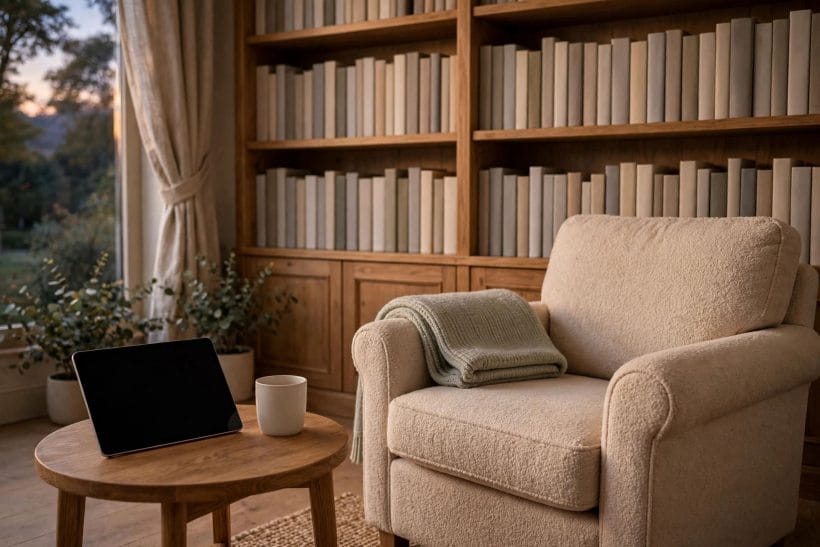
Measurements are where good questions separate from hopeful ones. You do not need a surveyor’s precision — you need the few sizes a reader must have before suggesting anything that has to fit, pass through a doorway, or sit under a ceiling.
The Room Itself
Give the room’s length and width, and its ceiling height, in whatever units you normally use — and say which units, so nobody has to guess. Note anything that changes the usable shape: a chimney breast, a sloping ceiling, a doorway that opens into the room’s best wall. Those few facts let a reader sketch your room honestly instead of imagining a tidier one.
The Gap a Piece Must Fit
When the question is whether something fits, measure the gap, not just the piece. The clear width between skirting boards, the height under a beam, the depth of an alcove — these decide the answer. The laundry corner in stackable washer dryer guide makes the point well: appliances live or die by the measured space, the door swing and the connections behind them, never by hope.
Doors, Stairs and the Route In
A piece that fits the room may still fail the journey. If your question involves anything large, mention the narrow points on its route: the hallway turn, the stair width, the door it must pass. Readers who have moved furniture into awkward houses will spot a doomed delivery at once — but only if the route is described as honestly as the room.
5. Budget Stated Generally
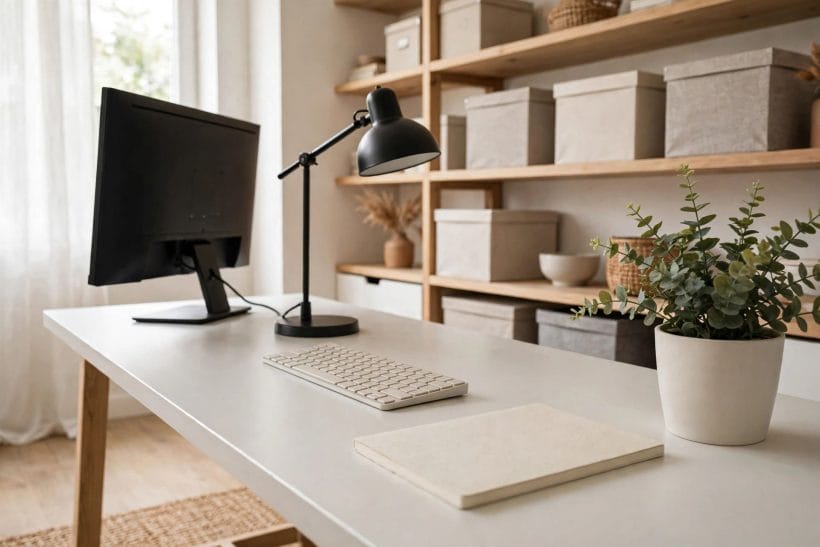
Money shapes every design answer, and readers give better advice when they know its rough shape. You never owe strangers your finances — a general statement of intention tells them all they need.
A Range or an Intention
A broad range, or even a plain intention — keeping costs low, spending properly once, somewhere between — is enough to steer suggestions. Without it, readers guess, and their guesses scatter: one assumes a full refit, another assumes paint and patience. A single honest sentence about scale gathers every answer into the world you actually live in.
What the Budget Must Cover
Say what the money has to stretch across. A budget for furniture alone is a different thing from one that must also cover flooring, electrics and someone’s labour. Naming what is inside the budget — and what is firmly outside it, already owned or already done — stops readers spending your money twice on the same corner of the room.
Where You Would Rather Save
If you have a preference, voice it: happy to spend on the sofa, determined to save on storage; willing to pay for trades, keen to do the decorating yourself. Readers respect a stated priority and aim their ingenuity at the saving you actually want, instead of economising in the one place you had set your heart on doing properly.
6. Constraints Worth Naming Early

Every home has things that cannot change, and they belong near the top of the post, not in a reply three answers later. Constraints named early save everyone’s effort — including yours.
Renting and Permissions
If you rent, say so, and say what your landlord allows: paint yes, holes no, nothing fixed to the walls. Advice for owners can be useless to a tenant, while advice written for renting — reversible, removable, deposit-safe — is a whole craft of its own. The same courtesy applies to homes where changes need formal permission of any kind.
Structure You Cannot Move
Name the fixed pieces: the staircase whose line the hall must live with, as the layouts in staircase ideas show, load-bearing walls, the boiler and its pipework, windows that cannot move. Readers happily design around a fixed point when they know it is fixed; what wastes their goodwill is designing freely and learning afterwards that the centrepiece of the plan cannot move an inch.
People, Pets and Daily Life
Some constraints walk on two legs or four. A household with toddlers, a dog that owns the sunny corner, a family member who needs step-free access — these are design facts, not apologies. State them plainly and early, and the advice that returns will fit the household you have, rather than the unencumbered household of a showroom photograph.
7. One Clear Question Per Post

The single habit that improves answers most costs nothing: ask one question, clearly, and let the rest of the post serve it. A post carrying five questions usually gets the easiest one answered and the rest admired in passing.
Put the Question in Words
Write the actual question as a sentence, ideally near the start and again, in short, at the end. Should the seating face the window or the fire? Does this layout leave room to work? Readers answer the question they can find; a clear sentence gives them one. If you cannot yet write the sentence, the honest post is the one that says what you are stuck between.
Background Serves the Question
Keep the history of the room — what you tried, what failed, what you inherited — because it genuinely helps. But let it serve the question rather than bury it: a short paragraph of background, then the ask. Readers who understand both what happened and what is being decided give answers that reckon with your real room, not a fresh one.
Further Questions Get Further Posts
A second decision deserves its own post, with its own photos and sizes, once the first is settled. Decisions in a room lean on each other — layout before lighting, lighting before colour — and settling them in order makes each question simpler than the combined tangle. Link the posts together in a line, so a kind reader can follow the story.
8. Reading the Answers You Get

Answers arrive as a mixture: experience, taste, and the occasional guess wearing confidence’s coat. Reading them well is a skill of its own, and it begins with noticing what each answer is actually based on.
Weigh Experience Over Volume
An answer from someone who has lived with the same layout, the same light or the same compromise carries a weight that several quick opinions do not. Look for the replies that mention your constraints back to you — they come from readers who actually pictured your room. Thank them, ask what they would do differently now, and let their hindsight work for you.
Ask Follow-Ups While the Thread Is Warm
A polite follow-up question, asked promptly, often draws the most useful reply of all: the reason behind a suggestion, the photograph of how it turned out, the warning about the one thing to avoid. Keep follow-ups specific and few. And when an answer points toward hiring help, the thinking in vetting local trades guide helps you choose that help as carefully as you chose the design.
Taste Is Not Fact
Some answers will simply be other people’s taste, firmly stated. That is not a flaw — taste is half of design — but it helps to sort replies into what is so, what worked for someone, and what someone merely likes. Live with the first, borrow from the second, and feel entirely free about the third: the room, after all, has to please the people who wake up in it.
9. What to Do With Conflicting Advice

Ask a room full of thoughtful people and they will disagree — often usefully. Conflict between answers is not a failure of the question; it is usually the sign that a real choice has been found.
Look for the Reason Behind Each Side
When two answers pull opposite ways, ask what each is protecting. One guards light, the other guards storage; one spends money, the other spends effort. Named that way, the disagreement often resolves itself, because you know which protection matters more in your house. A cooking question can split exactly so — the appliance debate in gas range guide turns on habits and households far more than on the cooker itself.
Test Cheaply Before Committing
Many conflicts can be rehearsed before they are bought. Move the furniture for a week, live with the samples on the wall, tape the outline of a proposed piece on the floor and walk around it. A room will tell you, in use, things no thread can — and a week of rehearsal costs nothing beside a decision reversed after delivery, fitting or painting.
Decide, and Say Why
In the end the choice is yours, and making it cleanly matters more than making it perfectly. Choose the answer that fits your constraints, your budget and your household’s real habits — then say, in the thread, what you chose and why. A stated reason closes the question kindly, and helps the next reader whose room resembles yours more than you know.
10. Coming Back With the Outcome
The kindest and most useful reply in any design discussion is the last one: yours, after the work is done, saying what happened. It repays the people who helped, and it turns your question into guidance for strangers.
Post the Finished Room
Return with photographs of the room as it turned out — in daylight again, from the same corners as the originals, so readers can compare honestly. Say what you chose, what it cost in general terms if you are content to, and what the room feels like to live in. Before-and-after honesty, including the parts that are merely fine, is what makes an outcome worth reading.
Say What You Would Do Differently
Every finished room carries a small list of lessons: the measurement you wish you had taken twice, the sample you wish you had lived with longer, the advice you wish you had followed sooner. Sharing that list is pure generosity — it costs you nothing, and it may save a stranger, in a similar room in another town, the exact same rueful afternoon.
Keep Your Own Notes for Next Time
A home is never finished all at once, and the notes from one question — sizes, constraints, what worked — are the foundation of the next. The same habit serves the whole house, indoors and out: the garden machines whose care is covered in small engine fuel problems reward the owner who wrote down what was observed. Keep the record, and every future question starts further along than the last.
Final Considerations
If this guide leaves one habit behind, let it be this order: the room and the decision first, honest photographs in daylight, the few measurements that matter, a general budget with its constraints named early, and one clear question asked plainly. A post built that way respects its readers’ time — and readers repay the respect with answers that reckon with your real room.
Then close the circle: weigh what returns, test what you can cheaply, decide and say why, and come back with the outcome when the work is done. Asked well and answered honestly, a design question stops being a worry posted in hope and becomes what it should be — a household’s own experience, written down where the next household can find it.

0 Comments