

Comparing the tiny house builders montana buyers can work with is really a study in distance and weather. This guide compares the custom, semi-custom, shell and kit routes, explains what drives cost across a very large state, and lists the checks to make before you sign, so your home arrives safely, stands up to snow and wind, and works on or off the grid.
1. Montana Tiny House Builders at a Glance
Every builder serving Montana falls into one of four types, and choosing the type is the first real decision of the project. The type sets your design control, your workload, the shape of the price and how far help has to travel when you need it. In a state this size, that last point matters more than most buyers expect, so read the table with delivery and aftercare in mind as well as design.
| Builder Type | What You Get | At a Glance |
|---|---|---|
| Custom builders | Full design-build service | Most control |
| Semi-custom builders | Ready plans plus options | Mid-range |
| Shell builders | Weather-tight shell | DIY finish |
| Kit and plan sellers | A kit or plans, and you build | Lowest cost |
The key factors to test with every type are snow load, off-grid capability, delivery and warranty. The state tip belongs in your first quote request: distance is a cost here, so delivery miles and off-grid systems belong in the first quote, not in a later revision once the headline price has done its work.
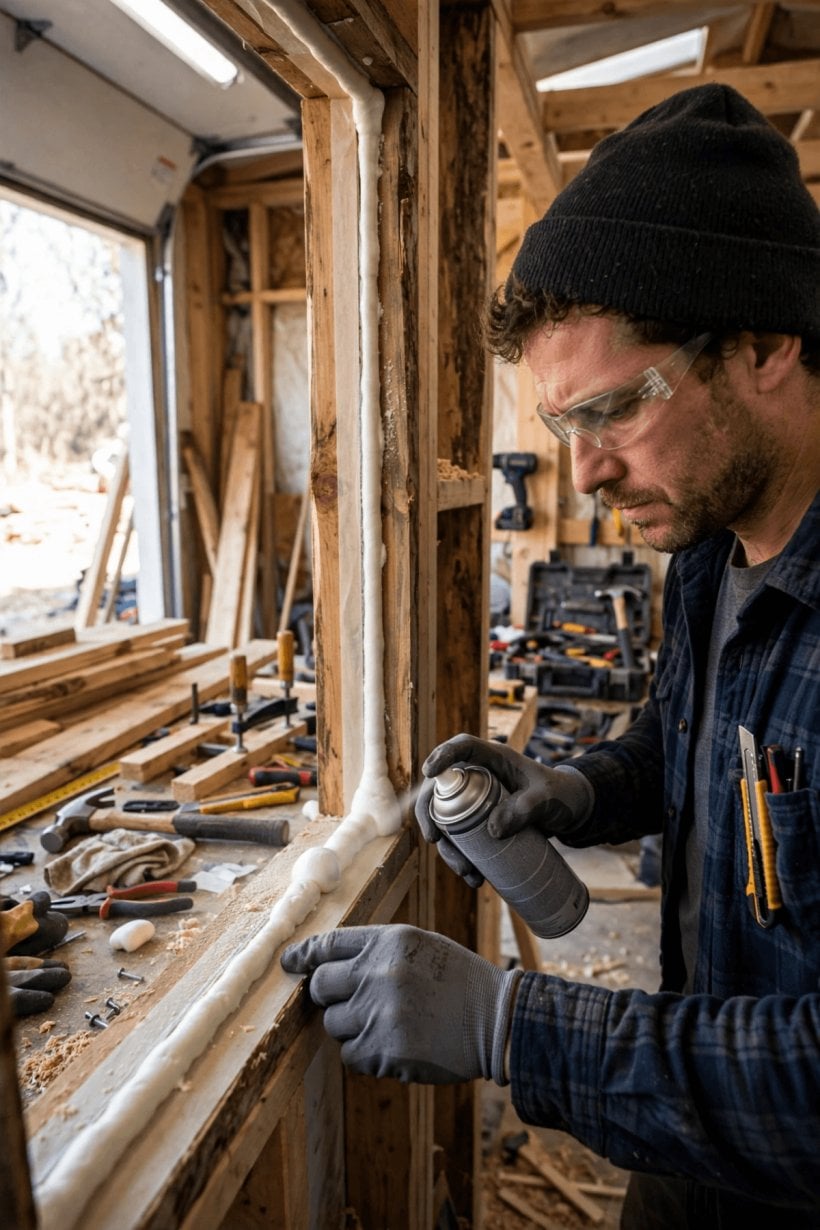
The four builder types compared, with the Montana checks that come first: snow load, off-grid systems, delivery and warranty.
The table names types, not companies, and that is deliberate. Montana buyers are often comparing a local custom shop, a regional semi-custom producer, a shell delivered from out of state and a kit shipped to the ranch gate, all at once. Those are four different products wearing one label. Compare them type by type, scope by scope, and the right route for your land, your distance from services and your own skills will stand out clearly.
2. How Montana Conditions Shape the Build
Montana asks two big questions of a small home: can it carry the winter, and can it look after itself far from help? Snow load comes first. Roof structure, pitch and shedding should be discussed in relation to where the home will actually sit, because a sheltered valley floor and an exposed bench above it live through different winters. Ask how the roof is built for load, how ice and sliding snow are handled at entries and vents, and whether the design changes for higher or snowier sites.
Wind is the quiet partner to snow. Open plains and foothill sites can take sustained wind that tests cladding, roofing edges, skirting and anything attached to the home. Ask how the home is anchored or tied down in its intended setup, how exposed corners and roof edges are detailed, and what the builder recommends for siting and orientation when you have a choice. These are specification questions with written answers, not matters of opinion at the sales table.
Then there is self-sufficiency. Many Montana tiny homes sit on land where power, water and waste are the owner’s systems: solar and storage, a well or hauled water, and septic or alternative waste arrangements, each with its own local approvals. Decide early whether your home must run off-grid from day one or merely survive outages gracefully, because the wiring, plumbing and heating choices differ. Work through the building a tiny house checklist alongside your builder conversations, and give off-grid systems and delivery their own pages from the start.
3. Custom Builders: When Full Design-Build Fits
A custom builder designs and builds a one-off home around your brief. In Montana that brief often includes things no catalogue anticipates: a mudroom entry that swallows winter gear, serious storage for outdoor work and recreation, a wood heat option detailed safely into a small floor plan, or a layout planned around a specific mountain or prairie view. Custom work is where those requests become drawings, structure and systems rather than compromises.
The cost of that freedom is process. One-off design takes meetings, drawings, engineering where needed and decisions that must be made in the right order. Keep one written specification, update it with every agreed change, and ask how changes are priced before you need one. Also ask where the builder’s experience lies: a shop that has delivered homes across Montana winters, passes and gravel roads will talk about transport and siting as part of design, not as someone else’s problem.
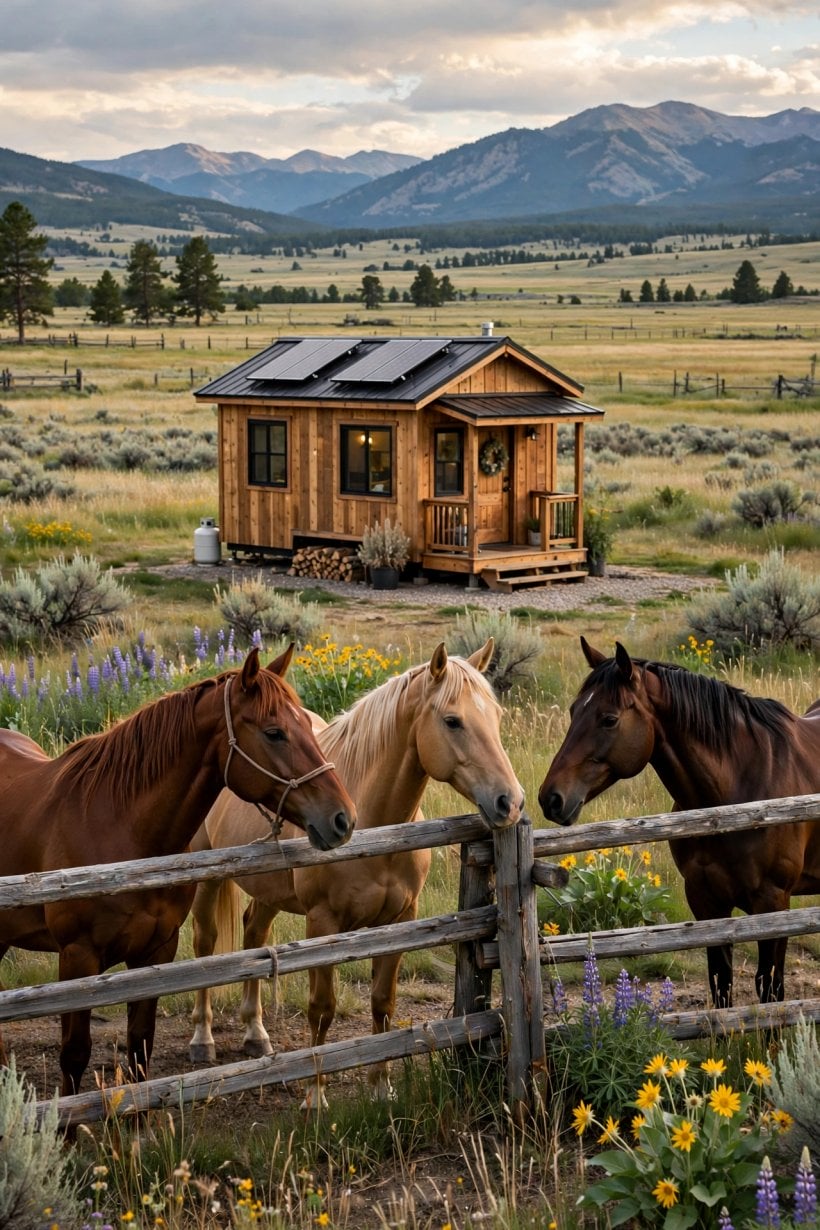
Before signing, ask a custom builder how far they will travel for warranty work and what they do for owners beyond easy driving distance. Distance changes aftercare, and honest builders plan for it with better handover documentation and remote troubleshooting. Buyers comparing custom routes in cold states will find a close cousin to this conversation in our guide to tiny house builders in Minnesota, where the same design questions are asked under an even longer deep-freeze season.
4. Semi-Custom Builders: Proven Plans, Your Options
Semi-custom builders offer plans they have already proven, with a menu of options on top. In a state where many buyers live hours from the builder, a proven plan has a particular value: the structure, systems and transport have been done before, and the builder knows what the finished home weighs, how it travels and how it behaves in its first winter. You trade some freedom for that certainty, and for many Montana projects it is the right trade.
Study the options list through a Montana lens. Which cold and wind upgrades are standard and which are extras: roof structure for heavier snow, insulation and sealing packages, window specification, heating type and capacity, and any off-grid preparation such as solar-ready wiring or water storage space. Ask which options must be chosen at order time because they are built into the structure, and which can wait. A small home hides its systems early in the build, and late decisions are often impossible ones.
Ask about production rhythm too: how many homes are ahead of you, where yours will be built, and how progress is reported to an owner who cannot simply drive over. Photographs at agreed stages and a named contact person are reasonable requests at this distance. The same proven-plan logic across the lakes is explored in our guide to tiny house builders in Michigan, where semi-custom buyers ask parallel questions about snow and sealing.
5. Shell Builders: A Weather-Tight Start You Finish
A shell builder delivers the closed-in structure: framing, sheathing, roof, exterior finish and typically windows and doors, with the interior open for you. Montana suits the shell route in one specific way. Skilled, self-reliant owners are common here, and a professional weather-tight box plus your own interior labour can put a well-built home on rural land for meaningfully less than a finished build, provided the plan for finishing is as serious as the plan for buying.
The contract definition of the shell is everything. Ask what is included, installed, supplied loose and excluded, line by line: insulation and air sealing, interior wall linings, wiring and plumbing rough-ins, the trailer or foundation interface and any porch, deck or entry steps. In a cold and windy state, the difference between a shell that is insulated and sealed and one that is merely framed is the difference between a head start and a second project.
Plan the finish around the seasons and around distance. Materials runs are long, winter working hours are short, and trades may be booked far ahead or located far away. Many owners take delivery in spring, close in services and insulation first, and finish room by room. Plains-state shell buyers use the same calendar logic described in our guide to tiny house builders in Nebraska, where wind exposure sets the schedule just as firmly as snow does here.
6. Kit and Plan Sellers: The Lowest-Cost Route
Plan sellers supply drawings and specifications. Kit sellers supply those plus a materials package, in some cases pre-cut or panelised, for you or a local crew to raise. This is the lowest-cost route in cash terms because your labour is the engine, and in Montana it attracts owners who already build, ranch, repair and improvise as part of ordinary life. For that buyer, a kit is not a compromise. It is the natural way to get exactly the home they intend to maintain.
Read the kit’s supply list like a surveyor. What is actually in the package: trailer, structural materials, roofing, membranes, windows, fasteners and insulation, or only the visible timber? How is freight handled to a rural Montana address, what happens with damaged or missing pieces, and how much support comes with the instructions? Ask whether the design can be adapted to your site’s snow load and wind exposure, and who signs off on those adaptations if they are needed.
Then cost the invisible half: equipment for lifting, extra hands for raising days, dry storage for materials, and the tools you do not yet own. Desert-state kit buyers face a mirror-image version of this maths, with heat and water in place of snow, in our guide to tiny house builders in Nevada. In both states, the kit price is the start of the budget conversation, never the whole of it.
7. What a Tiny House Costs in Montana: The Real Drivers
Honest cost guidance compares positions and drivers rather than quoting figures that would not survive contact with a real site. Custom design-build costs most because one-off design, engineering and labour are genuinely expensive to provide. Semi-custom work sits in the middle, spreading a proven design across many buyers. Shells cost less than finished homes while leaving a finishing budget in your hands, and kits and plans start lowest while asking the most of your time, tools and experience.
Montana adds its own drivers to every type. Distance is the famous one: delivery miles, route planning, and site access down gravel, seasonal or private roads all belong in the first quote, alongside the equipment needed to set the home exactly where it belongs. Snow and wind specification is the second driver, because roof structure, anchoring, cladding details and sealing are real materials and real labour. Off-grid systems are the third: power generation and storage, water sourcing and storage, and waste arrangements can rival interior finishes as a budget line.
Beyond the build sit land, placement permission, driveway and pad work, utility or off-grid installation, skirting and the entry steps, decks and storage a rural home quickly needs. Put every quote on one page under one written scope, and chase down every silence until it becomes an inclusion or an exclusion. Buyers who want the coastal version of this same exercise will find it in our guide to tiny house builders in Maine, where ferry-distance delivery plays the role Montana’s highways play here.
8. Questions to Ask Before You Sign Anything
Start with scope, specification and systems. What is included and excluded, in writing? How are snow load and wind handled for your site? What exactly do the off-grid provisions consist of, and what do they not include? A builder who works Montana distances will answer these questions with documents: drawings, specification sheets, option lists and delivery terms, not with reassurance alone.
Continue with the mechanics of the deal. How are payments staged against visible progress, how are changes approved and priced, and what records do you receive at handover, including manuals and system documentation you will need when the nearest help is hours away? Ask how delivery day works in detail: who plans the route, who prepares the site, who carries risk on the road, and what weather or road conditions would postpone the move.
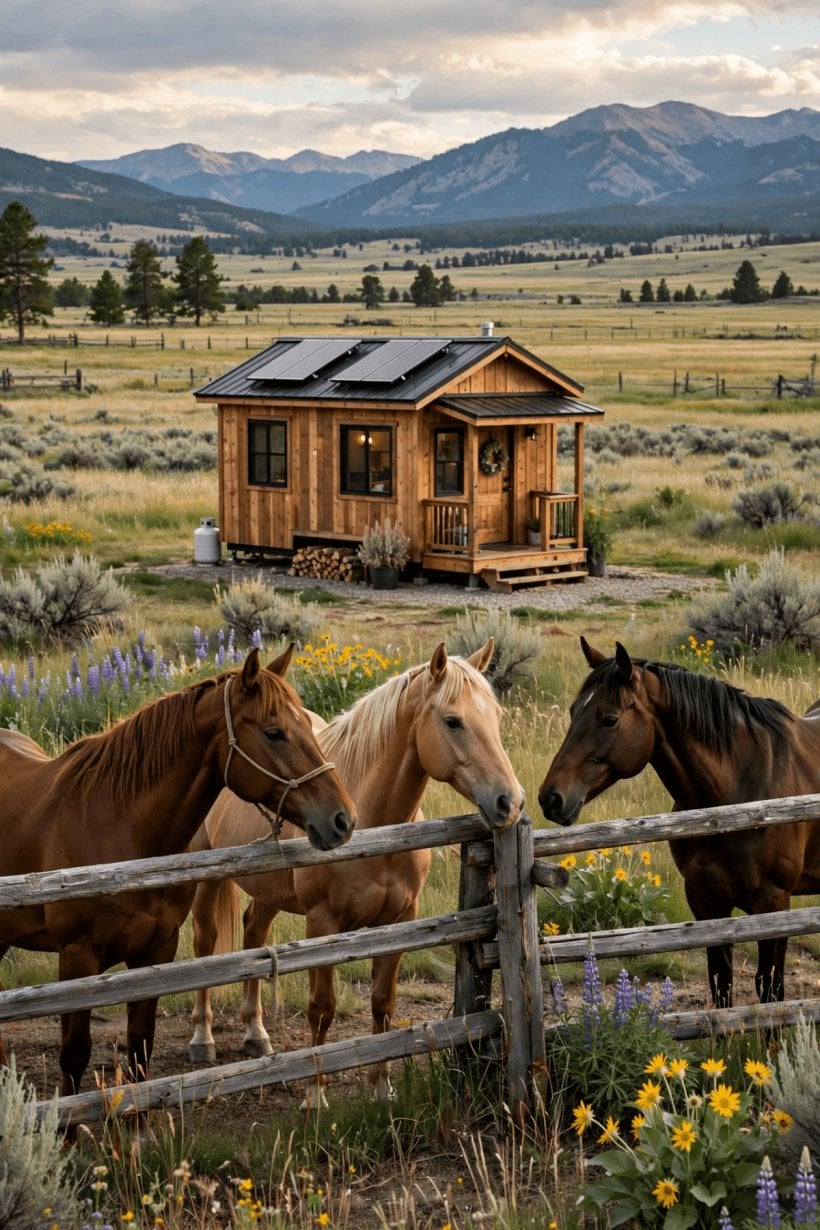
Finish with warranty, asked at Montana scale. What is covered, for how long, and how is a claim actually handled for an owner several hours from the shop: remote diagnosis first, parts shipped, a local trade authorised, or a scheduled visit? Get the answer in writing before you need it. In a big state, the warranty process is part of the product, and a builder who has thought it through will describe it without hesitation.
9. Placement, Permits and Legal Checks in Montana
Where a tiny house can be placed, and how it can be used, is decided locally. Montana counties and incorporated towns apply their own zoning, building and sanitation expectations, and large parts of the state involve questions that simply do not arise in a city: well and septic approvals, access and driveway standards, and in some areas covenants or subdivision rules on private land. Whether a home on wheels is treated differently from one on a foundation is also a local answer, so ask it locally.
Check with your county and, where relevant, your city or town, describing your exact plan: full-time or seasonal living, wheels or foundation, grid-connected or off-grid, your own parcel, leased land or a community setting. Ask what permits and inspections apply, what water and waste arrangements are acceptable, and what must be approved before the home is delivered rather than after. If wildfire exposure is a feature of your area, ask the county and local fire guidance about access and defensible space while you are asking, because siting decisions are easiest before the pad is built.
Keep the builder in their lane unless your agreement says otherwise. Builders are experts on the home; county officials are the authority on your parcel. East-coast buyers run the identical errand for the reasons set out in our guide to tiny house builders in Massachusetts, and in both states the early, specific phone call is what turns placement from a risk into a step.
10. From First Call to Move-In: Process and Timeline Checks
The stages are the same for every type: research, shortlist, site and placement checks, design or plan selection, written quote, contract, build, delivery and move-in. Montana stretches each stage with distance and season. Design decisions move at the speed of communication between people who may never meet in person. Deliveries are planned around weather windows, road conditions and daylight. Site work has its own short season in many areas, and missing it can move a project by months rather than weeks.
Manage that reality with named dates and named owners for every task. Ask what the builder needs from you and by when, what your site must look like before the delivery truck rolls, and how slippage on either side is reported. If a well, septic system, pad or power installation is being handled by others, share one written schedule among everyone involved. Rural projects fail quietly through assumed dates, not through bad intentions.
At handover, slow the moment down. Walk the home with the specification in hand, run every system including anything off-grid, check doors, windows and seals after the move, and record unfinished items on a signed list with agreed dates. Then learn your home deliberately in its first weeks: how the heating behaves in wind, how water and power systems respond to real use, and what needs adjusting while the builder relationship is close and the paperwork is open on the table.
Final Considerations
In Montana, a builder decision is also a distance decision and a weather decision. Choose the type that fits your skills and your miles from help, insist that snow load, wind, delivery and off-grid systems appear in the first written quote, and make warranty and aftercare answer the only question that matters here: what happens, practically, when something needs attention far from the shop? Confirm placement with your own county or town, compare every quote line by line under one scope, and plan delivery like the operation it is. Buyers who work that way, whether they commission a custom build, order a semi-custom plan, finish a shell or raise a kit, end up with the same prize: a small, capable home, honestly specified and properly sited, ready for big skies, deep winters and the long, quiet distances in between.


0 Comments