

Choosing among the tiny house builders nebraska buyers can hire comes down to one force of nature: wind. This guide compares the custom, semi-custom, shell and kit routes, explains what drives cost on the open plains, and lists the checks to make before you sign, so your home is anchored properly, insulated for both summer and winter, and delivered without drama.
1. Nebraska Tiny House Builders at a Glance
Builders serving Nebraska divide into four types, and the type shapes everything that follows: how much design control you hold, how much work you take on, how the price behaves and who stands behind the finished home. Buyers here often compare offers from very different kinds of businesses, so sort them by type first and the quotes will start to make sense.
| Builder Type | What You Get | At a Glance |
|---|---|---|
| Custom builders | Full design-build service | Most control |
| Semi-custom builders | Ready plans plus options | Mid-range |
| Shell builders | Weather-tight shell | DIY finish |
| Kit and plan sellers | A kit or plans, and you build | Lowest cost |
The key factors to test with every type are wind rating, insulation, delivery and warranty. The state tip is short enough to memorise: open plains mean constant wind, so anchoring and insulation decide how the home feels inside. A tiny house that rattles, leaks air and swings between hot and cold is usually a house where those two items were treated as details.

The four builder types compared, with the Nebraska checks that come first: wind rating, insulation, delivery and warranty.
The table compares types, not named companies, because a fair Nebraska comparison has to start with scope and specification. One quote may include anchoring, skirting and a sealed, well-insulated envelope; another may quietly stop at delivery of the box. Put the types side by side, price the same scope under each, and the rest of this guide will help you interrogate whichever route you favour.
2. How Nebraska Conditions Shape the Build
Wind on the plains is not weather, it is a constant load. It pushes on walls, works at roof edges and seams, drives dust and moisture into gaps, and makes a poorly sealed small home feel draughty even on a mild day. Ask every builder how the home is rated and built for wind, how it will be anchored in its final position, and what they recommend about orientation and shelter when a site offers choices. Written answers matter, because anchoring decisions made at delivery are hard to improve later.
Insulation works in both directions here. Nebraska winters are properly cold and its summers are properly hot, and a tiny home has very little thermal mass to forgive a thin envelope. Ask how walls, roof and floor are insulated and air sealed, how windows are specified for both seasons, and how heating and cooling are sized. Pay special attention to the floor and to any plumbing on exterior walls, because wind chill under a raised home finds pipes quickly.
Severe weather belongs in the conversation as a question, not a slogan. Ask builders and your local officials how homes like yours are usually anchored and sited, what local guidance exists about storm safety, and what a sensible plan looks like for your household on your land. Delivery needs the same practical eye: long gravel sections, soft shoulders after rain and wide, exposed routes are normal here. Work through the building a tiny house checklist as you go, and give wind, anchoring and route planning their own lines from the first call.
3. Custom Builders: When Full Design-Build Fits
A custom builder designs and builds a one-off home with you, and on the plains that freedom is often used on the envelope and the siting rather than on decoration. Buyers choose this route for a farm or acreage layout that must work around real life: a proper mudroom, gear and work storage, a home office, space for a household that does not match a catalogue floor plan, or a design oriented to catch winter sun and dodge summer wind on a specific piece of ground.
Expect a longer, more involved process in exchange. One-off design means drawings, decisions and pricing that all depend on each other, and a change late in design can move structure, systems and cost together. Keep a single written specification as the record, and ask how changes are approved and priced. Ask too about the builder’s experience delivering and anchoring homes on open rural sites, because placing the home is part of the craft in Nebraska, not an afterthought once the build is finished.
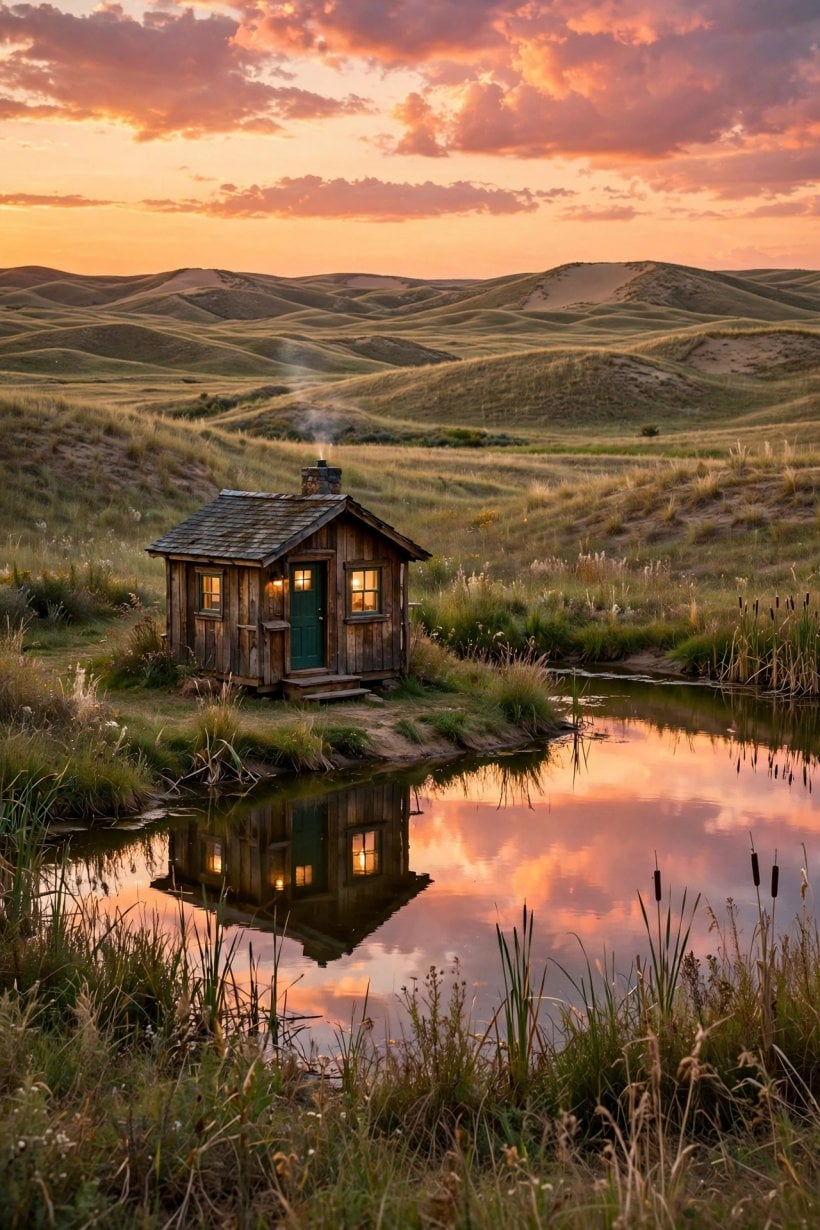
Before you sign, ask a custom builder to talk you through a home they placed on an exposed site and what they learned about wind, anchoring and sealing from it. The mountain version of this same custom conversation, where distance joins weather as the main complication, is covered in our guide to tiny house builders in Montana, and many of its delivery questions apply word for word on Nebraska gravel.
4. Semi-Custom Builders: Proven Plans, Your Options
Semi-custom builders build from plans they have already proven and let you choose within a defined menu of finishes, fixtures and upgrades. For Nebraska buyers this route offers a reassuring middle: the structure and systems are known quantities with known prices, while you still shape the interior and select the specification items that matter most on your site, from window packages to heating and cooling choices.
Your task is to learn where the menu ends and what the local specification really includes. Is wind detailing standard or an upgrade? What anchoring system is assumed, and is it included in the price or left to you and a local installer? Which insulation and air-sealing standard does the plan carry, and what do the cold-weather and hot-weather options cost? Options that change openings in the envelope, like larger windows or an extra door, belong in the wind and insulation conversation, not in the cosmetics conversation.
Ask about scheduling and communication as well. A builder repeating proven plans should be able to describe the queue, the build order and the dates by which your options must be locked. Cold-state semi-custom buying follows the same pattern described in our guide to tiny house builders in Minnesota, where the options list is likewise read through the climate first and the catalogue second.
5. Shell Builders: A Weather-Tight Start You Finish
A shell builder delivers the closed-in structure: framing, sheathing, roofing, exterior finish and typically windows and doors, leaving the interior for you. Nebraska has many owners with the skills, tools and buildings to make this route sing. The professional part, the structure that must resist wind and weather for decades, is built by specialists, and the finish work proceeds at your pace and your budget, room by room.
Define the shell in writing before you price it. Shells vary enormously: some arrive insulated and air sealed, some arrive as bare framing with the whole envelope performance still your job. Ask line by line what is installed, supplied loose and excluded, including insulation, interior linings, wiring and plumbing rough-ins, and the anchoring and trailer or foundation interface. On an exposed plains site, the difference between those two kinds of shell decides how the home feels in the first January wind.
Plan the finishing season realistically. Exterior-adjacent work is miserable in a cold wind, summer heat makes small interiors hard to work in by afternoon, and specialist trades may travel a long way to reach you. Many owners take the shell in spring, complete services and insulation first, and finish living spaces in order of need. The lake-effect version of this phased calendar appears in our guide to tiny house builders in Michigan, where winter, rather than wind, dictates the same sequencing decisions.
6. Kit and Plan Sellers: The Lowest-Cost Route
Plan sellers provide drawings and a specification to build from. Kit sellers add a materials package, sometimes pre-cut or panelised, for you or a local crew to assemble. It is the lowest-cost route in cash terms because your labour replaces the builder’s, and in an agricultural state full of people who build and repair things professionally, that trade is often a genuine bargain rather than a risk.
Judge the package by its supply list. Does it include the trailer, roofing, membranes, windows, fasteners, insulation and anchoring hardware, or will you be sourcing the weather-critical half of the home yourself? How is freight to a rural Nebraska address handled, what support comes with the build instructions, and can the design be adapted to the wind exposure and insulation standard your site needs? A plan drawn without plains wind in mind may need engineering input before it belongs on open ground.
Finally, plan the build site like a worksite: dry storage under cover, level ground, safe lifting help and a sequence that gets the box closed and anchored early. If part of the work will be hired locally, price it before the kit arrives. Buyers in the desert Southwest weigh the same kit questions against heat instead of wind in our guide to tiny house builders in Nevada, and the supply-list discipline is identical.
7. What a Tiny House Costs in Nebraska: The Real Drivers
Useful cost guidance here is about position and drivers, not figures that would pretend every site is the same. Custom design-build sits at the top because one-off design and labour are expensive to supply. Semi-custom sits in the middle because proven plans spread design cost across many homes. Shells undercut finished homes while leaving a finishing budget behind, and kits and plans start lowest while depending most on your time, tools and experience.
Nebraska then adds its own drivers. Wind specification and anchoring are real materials and labour, and on an exposed site they are not optional extras. Insulation, sealing and right-sized heating and cooling decide your running costs for as long as you own the home. Delivery is a driver too: total miles, gravel and seasonal road conditions, site access and the equipment needed to place and level the home precisely on its base.
Do not forget the costs outside the build contract: land, placement checks, a pad or foundation, anchoring installation if it is separate, utility connections or off-grid alternatives, skirting, steps and decks, and shade or shelter planting that many plains owners add in the first year. Compare all quotes on one sheet under one written scope, and treat every silent line as excluded until confirmed. The same exercise in a high-cost coastal market is worked through in our guide to tiny house builders in Massachusetts.
8. Questions to Ask Before You Sign Anything
Open with scope and wind. What is included, what is excluded, and where is it written? How is the home built and rated for wind, what anchoring system will be used on your site, and who installs it? Ask to see these answers in the specification and contract, because on the plains the anchoring conversation is the safety conversation, and it should never rest on a verbal assurance at a sales desk.
Continue with envelope and systems. How is the home insulated and air sealed, how are heating and cooling sized for both Nebraska seasons, and how is plumbing protected from freeze risk in a raised or trailer-based setup? Then the contract mechanics: payment stages tied to visible progress, a written process for changes, and the documentation you receive at handover, including any anchoring and systems records you will need for insurers or future buyers.
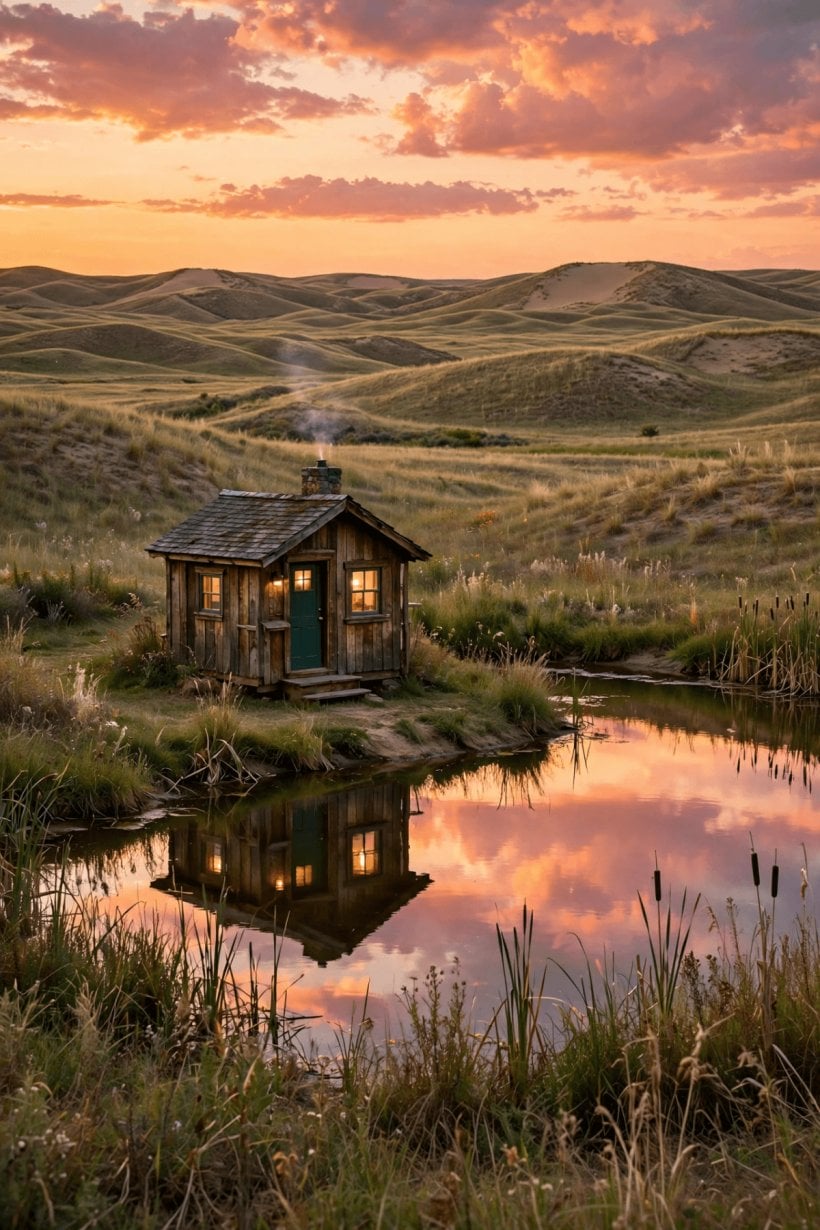
Finish with warranty and delivery. What is covered, for how long, and who responds if the first big wind reveals a sealing or fixing problem? Who plans the delivery route, who prepares the site, and what weather would postpone the move? Keep every answer in one contract file. In Nebraska, good paperwork and good anchoring do the same job: they hold everything in place when conditions turn.
9. Placement, Permits and Legal Checks in Nebraska
Whether and where a tiny house may be placed and lived in is a local question in Nebraska, answered by counties and cities under their own zoning and building expectations. Rules can differ between a city lot in the east and rural land further west, and a home on wheels can be treated differently from the same home on a foundation. Farm and acreage settings add their own considerations, from access and addressing to water and septic arrangements, so assume nothing travels from one parcel to the next.
Check with your county and, where relevant, your city directly, describing the exact plan: full-time or seasonal use, wheels or foundation, own land, family land, a rented lot or a community, and your intended water, waste and power arrangements. Ask what category the home falls into, what setbacks and standards apply, and what must be permitted or inspected before move-in rather than after. Ask about anchoring and storm-safety guidance at the same visit, while siting choices are still easy to change.
Builders know their product, but local officials know your parcel, and unless your agreement puts placement duties on the builder in writing, those calls are yours to make and record. County-variation discipline of exactly this kind is the backbone of our guide to tiny house builders in Maryland, and the habit of asking early and specifically is worth copying in any state.
10. From First Call to Move-In: Process and Timeline Checks
Every type follows the same arc: research, shortlist, site and placement checks, design or plan choice, written quote, contract, build, delivery and move-in. Nebraska adds weather windows and distance to that arc. Deliveries may need to dodge storms, wet gravel and harvest traffic. Site work and anchoring have their best seasons. Custom design front-loads decisions; kits back-load your own labour, and owners consistently underestimate the finishing half of a shell project.
Run the project on named dates with named owners. What does the builder need from you, and by when, to hold the slot? What must the site look like before the truck leaves the yard? How are weather delays communicated and rescheduled? If other people are handling the pad, utilities or anchoring, share one written schedule between everyone, because rural projects usually slip through assumptions rather than through anyone’s bad work.
Delivery day deserves a checklist of its own. Watch the set and levelling, confirm anchoring is completed as specified, walk the interior and exterior with the contract in hand, run the systems, and record any unfinished items on a signed list with agreed dates. Then live in the home attentively through its first big wind and its first cold snap, noting draughts, rattles and cold spots while fixes are small and the builder relationship is warm.
Final Considerations
In Nebraska, the right builder is the one who treats wind as a design input rather than a weather report. Choose the type that fits your skills and budget, insist that wind rating, anchoring and insulation appear in the first written scope, confirm placement with your own county or city, and compare every quote line by line until the differences are deliberate choices. Plan delivery for the roads and seasons you actually have, and keep the paperwork as tidy as the site. Do that, and whether you commission a custom home, pick a semi-custom plan, finish a shell or raise a kit, you will settle into a small home that feels calm and solid while the plains wind does whatever it likes outside.


0 Comments