

There is a particular moment in many renovations: the plaster is off, the brick underneath is better than anyone expected — or worse — and someone asks the question that cannot be un-asked. Paint it, or leave it? It sounds like a colour decision. It is actually a decision about light, texture, moisture and permanence, and only one of the two answers can be changed later.
This article works through that decision honestly: what painting interior brick genuinely changes, what leaving it keeps, the moisture behaviour that should stop some projects entirely, and the middle paths between the two. No product recommendations and no verdict — just the checks that lead to the right answer for a particular wall.
1. Interior Brick at a Glance
Scope first. This article owns the paint-or-leave decision for interior brickwork: walls, chimney breasts and fireplaces inside the home. The neighbouring reading lives elsewhere on the site: brick as a wall treatment in brick wall living room ideas, the fireplace setting in fireplace interior design ideas for tiny houses, and the colour questions in enduring paint colors, the greige undertones guide, tiny house interior paint colors and living room paint for a tiny house. Exterior brick and brick-and-stone combinations are a different topic with different weather at stake; here, everything is indoors.
One rule governs the whole article: paint is a finish, but on brick it is also a commitment. Decide it the way you would decide anything effectively permanent — slowly, tested, and with the wall’s condition understood first.
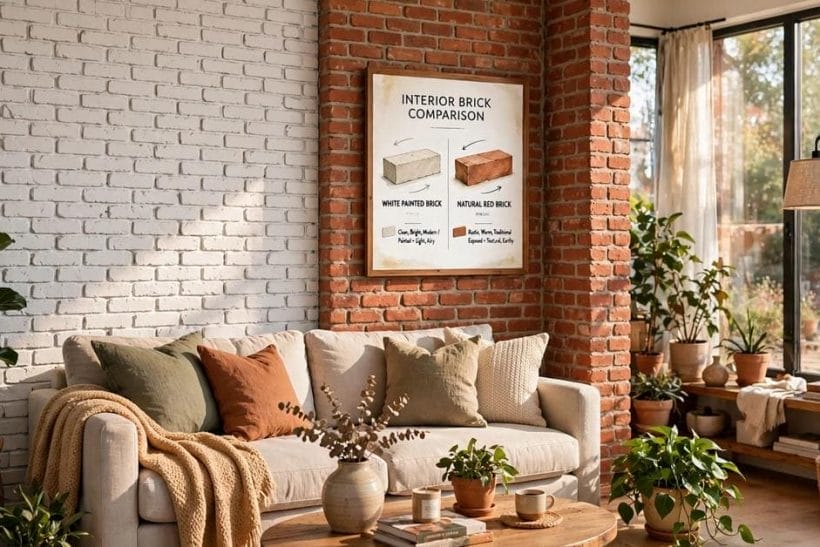
| Question | Painted brick | Natural brick |
|---|---|---|
| Light | Brightens the room, bounces light | Absorbs light, moodier feel |
| Texture | Softened, smoother modern feel | Original texture fully kept |
| Permanence | Effectively one-way; very hard to undo | Can be painted later, any time |
| Upkeep | Wipes clean; may need recoating | Shows dust less; harder to deep-clean |
| Character | Fresh, unified, contemporary | Timeless, warm, original |
2. Know Your Brick First
1. Structural brick, veneer and slips are different walls
Interior brick may be the house’s actual structure, a veneer over a framed wall, or thin brick slips applied as a finish. Each behaves differently under paint and under moisture, and the right treatment starts with knowing which wall you have. If in doubt, ask a builder or surveyor before anyone opens a paint tin.
2. Condition decides half the question
Sound, well-pointed brick in a colour you like is a candidate for leaving. Brick that is spalling, crumbling or patched with mismatched repairs is a different matter: paint will not repair it, and coating damaged brick can hide problems while they continue. Repair and repoint first; decide the finish second.
3. What is already on it
Previous coatings change everything. Brick that has been painted, sealed or limewashed before has a history the new finish must live with, and old coatings in poor condition need professional assessment rather than another layer on top. A wall’s past is part of its present — uncover a small patch and look.
3. What Paint Changes
4. The room gets lighter — genuinely
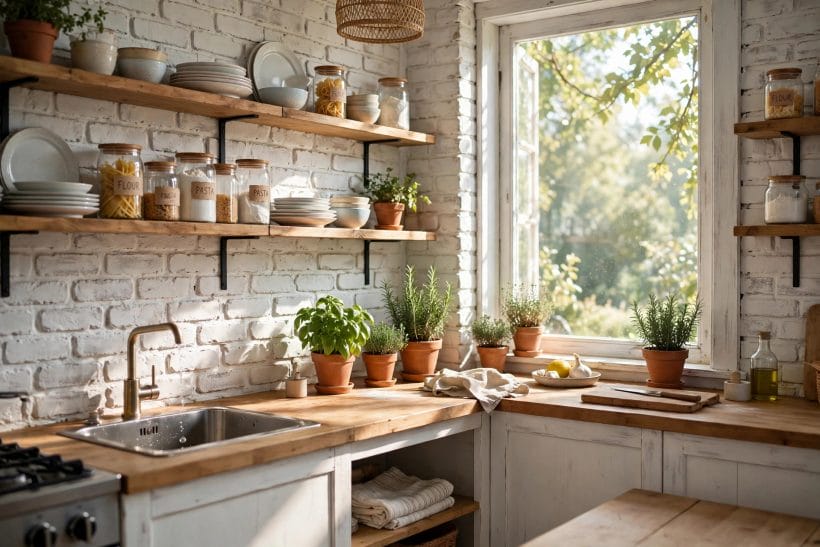
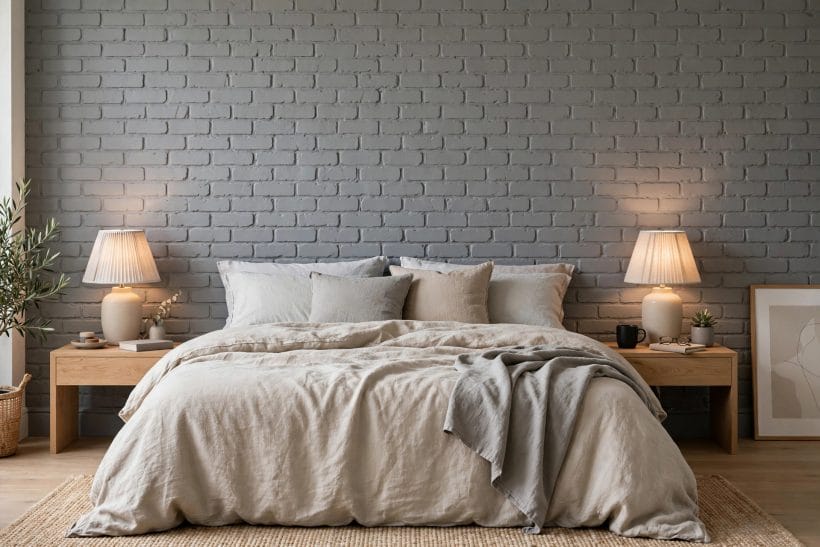
Natural brick absorbs a surprising amount of light. A pale painted finish turns the same wall into the room’s largest reflector, and in small or north-facing rooms the change is the single biggest improvement paint can make anywhere in the house. This is the strongest honest argument for painting, and it is a real one.
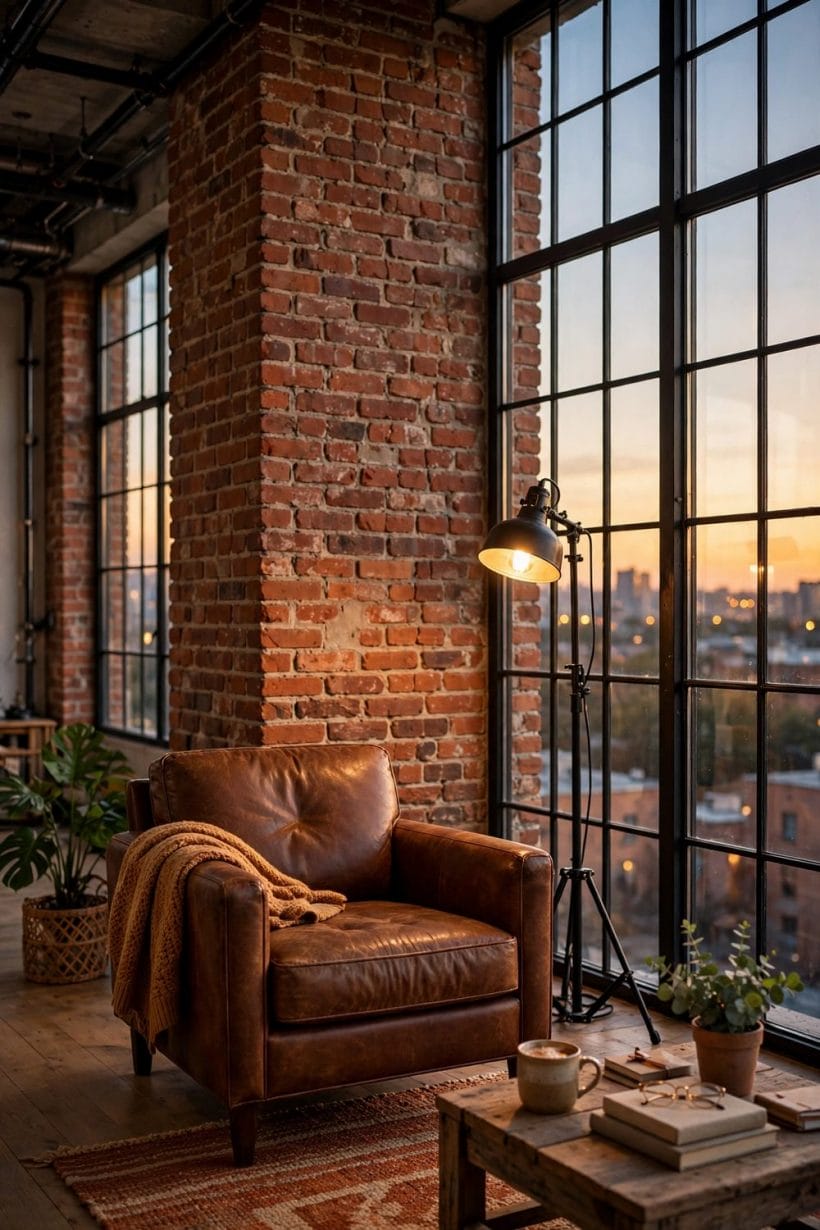
5. Texture softens, detail quiets
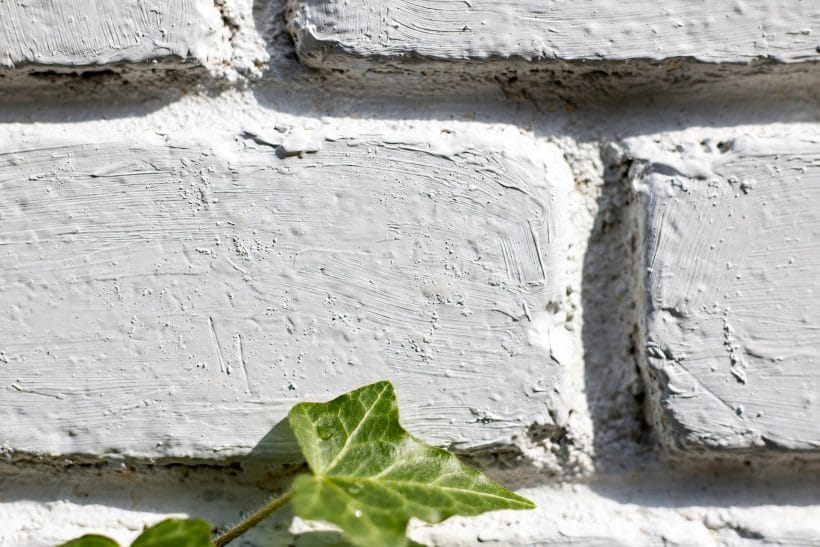
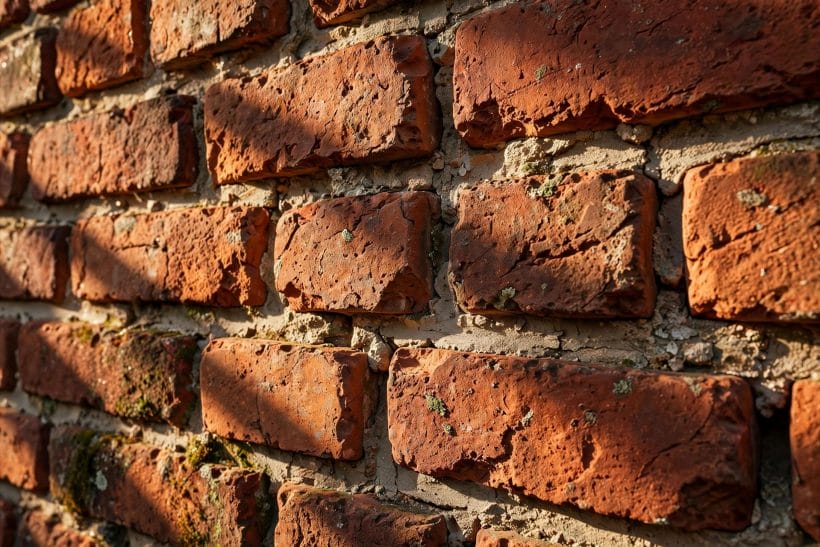
Paint bridges the pits and softens the contrast between brick and mortar, so the wall reads as texture rather than pattern. Rooms feel smoother and more modern; the brick’s individual character — its colour variation, its handmade irregularities — recedes. Whether that is loss or liberation depends entirely on what the brick looked like.
6. Colour joins the scheme
Unpainted brick dictates a palette of rust, brown and grey to the whole room. Painted brick takes the room’s chosen colour instead, which is why painted brick appears so often in calm, unified interiors. The wall stops arguing with the furniture — and stops anchoring it, too.
4. What Leaving It Keeps
7. The original material, honestly shown
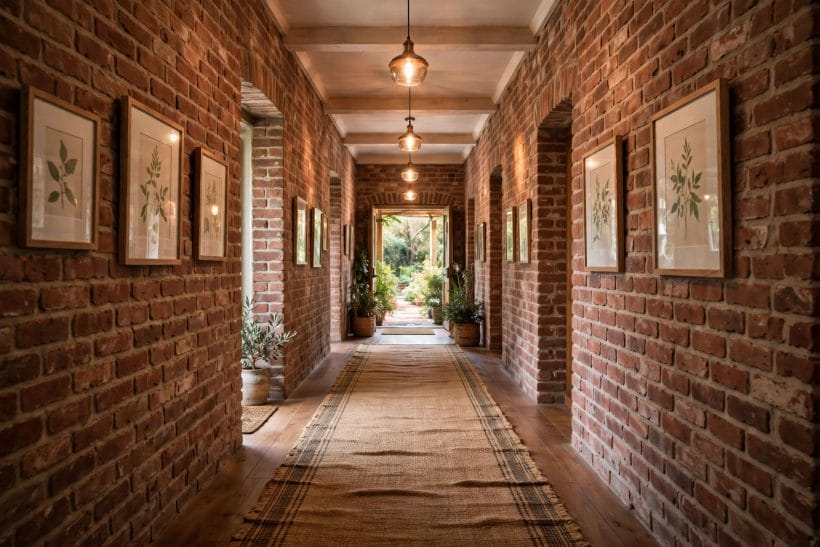
Natural brick is the house’s own substance made visible: its age, its making, its colour. In older homes especially, that authenticity is a quality no applied finish reproduces, and it is the reason exposed brick survives every fashion cycle that passes over it.
8. Texture that does the decorating
A natural brick wall carries a room with almost no help: its variation is pattern, warmth and shadow-play in one surface. Against it, plain furniture and simple textiles look deliberate. Leaving the brick often means needing less of everything else.
9. The option stays open
Leaving brick natural today preserves every choice for tomorrow — paint next year, limewash in five years, still natural in twenty. Painting closes the door behind you. When a household is genuinely undecided, the reversible answer is also, usually, the wise sequencing: live with it natural first.
5. The Moisture Question
10. Brick breathes — paint can interfere
Brick and traditional mortar allow moisture to move slowly through a wall and evaporate harmlessly. Many modern paints form a film that slows that movement, and on walls that carry any moisture this can trap damp behind the coating, where it damages brick and finish alike — blistering paint on an inside wall is very often moisture pushing out, not a defect in the paint itself. Breathable, masonry-appropriate coatings exist for a reason; the category of the coating matters as much as its colour. Interior walls in modern, well-sealed houses with no damp history are at far less risk than the solid walls of older buildings, which is why this check is a question about your wall, not a rule against painting.
11. A damp wall is a stop sign
If an interior brick wall shows damp patches, salt deposits or musty smells, the answer to paint-or-leave is neither, yet. Painting over damp seals the evidence in and the problem goes on working unseen. Find and fix the moisture source first — a professional damp assessment is money spent before, not after, decoration.
12. Kitchens, bathrooms and chimney breasts
Rooms with steam, and walls that contain flues, live wetter lives than the average wall. Finishes here need to tolerate humidity and, around fireplaces, heat; and chimney breasts can carry soot and salts from decades of fires that stain through ordinary paint. These are the walls where specialist advice earns its fee.
6. The Permanence Question
13. Paint on brick is effectively one-way
Paint soaks into brick’s porous surface and keys into its texture; removing it completely is slow, expensive, often damaging work that rarely returns the wall to its original face. Honest guides say so plainly: treat the decision as permanent, because in practice it is.
14. Think in the wall’s timescale
Fashions in interiors turn over in years; a brick wall stands for a century. A finish chosen for this decade’s look will be lived with through several more. That is not an argument against painting — painted brick has been loved for generations too — but for choosing a finish you can defend in ten years, not ten months.
15. The next owner’s wall
Houses outlive their decorators. A finish that forecloses options is worth weighing against one that keeps them, particularly in period homes where original surfaces are part of the building’s value and character. Permanence is a cost; sometimes worth paying, never worth ignoring.
7. Middle Paths Between Paint and Bare
16. Limewash: lightening that lets brick show through
Limewash and similar mineral washes sit in and on the brick rather than filming over it, softening and lightening the colour while the brick’s texture and some of its tone remain visible. They are traditionally breathable and can be built up gradually — the gentlest route to a paler wall, and the easiest to adjust.
17. Whitewash and diluted finishes
A thinned, translucent application gives the whitewashed, coastal effect: the wall lightens, the brick ghosts through, and the result reads as a treatment rather than a disguise. Because coverage is partial, a test patch matters even more here — the effect over a whole wall is stronger than any sample suggests.
18. Tinting the mortar instead
Sometimes the wall’s harshness lives in its mortar contrast rather than the brick. Repointing or tinting mortar toward the brick’s tone can calm a wall dramatically while leaving every brick bare. It is skilled work and not fully reversible either — but it answers the rooms whose problem was contrast, not colour.
8. Brick Fireplaces and Chimney Breasts
19. The fireplace is the room’s witness
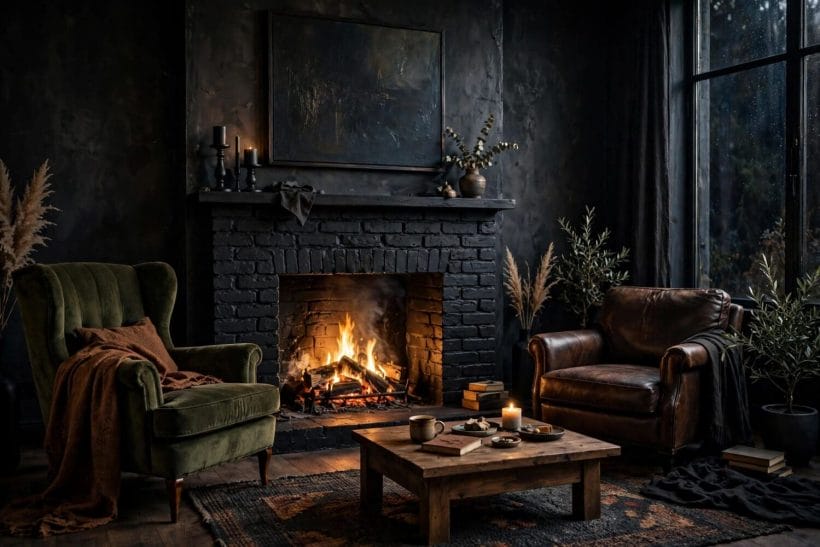
A brick fireplace carries the strongest version of both arguments: natural, it is the room’s warm, original heart; painted, it becomes a calm, sculptural backdrop that lets art, mantel styling and furniture lead. Because the breast is usually one elevation, it is also the safest place to try a finish first.
20. Heat and soot are real constraints
Around a working fire, finishes must tolerate heat, and brick that has absorbed decades of soot can bleed stains through coatings that were not chosen for the job. If the fireplace is in use, take specialist advice on both preparation and product type — this is not the wall for guesswork.
21. Paint the breast, keep the hearth’s story
A common compromise paints the chimney breast while leaving a section — the firebox surround, an arch, a single course — in natural brick, or vice versa. Done deliberately, the contrast looks designed and keeps a sample of the original material in the room’s most looked-at place.
9. Testing Before You Commit
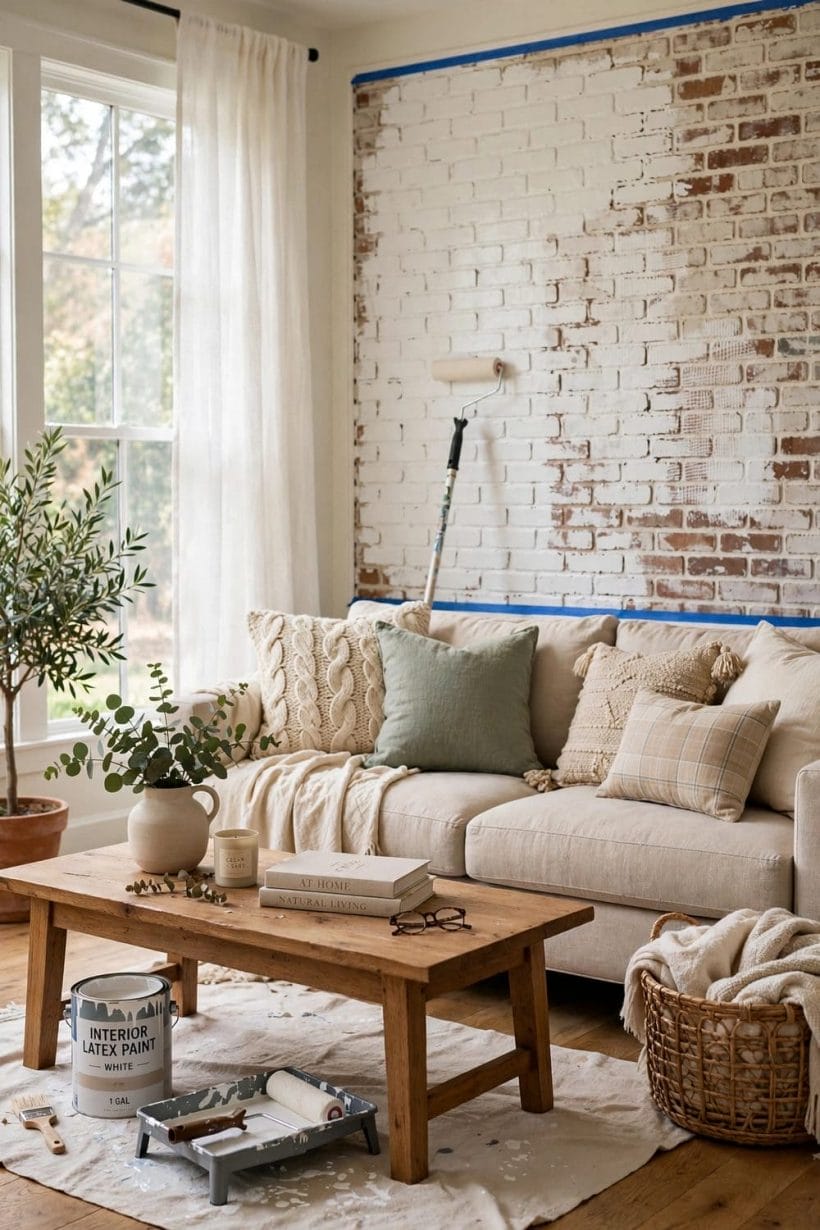
22. The hidden patch test
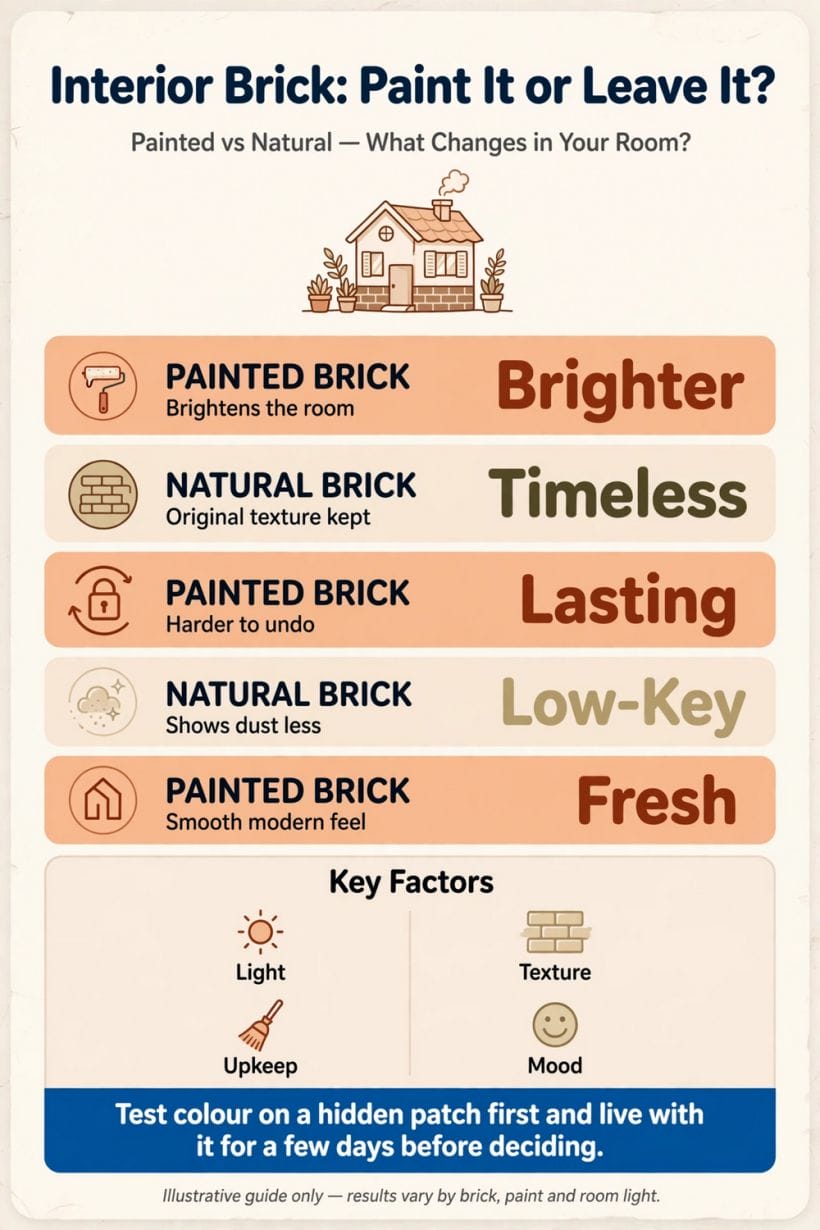
The infographic’s advice is the professional’s too: test the colour on a hidden patch — behind furniture, inside a cupboard reveal — before any wall is committed. Brick drinks colour differently from a paint chart, and the same paint reads darker and warmer on brick than on plaster.
23. Live with the test for days
Look at the patch in morning light, evening light and lamplight before judging it. Brick’s texture shifts its apparent colour through the day more than a flat wall does, and the finish you must love is the one it wears at the hour you use the room most.
24. Photograph and compare
Take photographs of the room with the test patch and, if you are torn, of a comparable painted and unpainted wall elsewhere. Images flatten emotion out of the decision and let the household compare calmly — a small discipline that prevents the commonest outcome of all: a finish chosen in the shop and regretted on the wall.
10. Making the Call
25. Paint when light is the problem
If the room is dark, the brick is ordinary or damaged-looking, and the household wants a calm, unified scheme, the balance tips to paint — with the moisture check passed, a masonry-appropriate finish chosen, and the permanence accepted with open eyes.
26. Leave it when the brick is the point
If the brick is beautiful, sound and old — if visitors comment on it, if the room’s warmth lives in it — the balance tips to leaving it, perhaps with a wash at most. Finishes can be added in any future year; original surfaces, once covered, are gone.
27. When in doubt, take the reversible road
Undecided after the tests? Choose the answer that keeps the other answer available: live with the natural wall, try a limewash, gather a season of light. The paint tin will still exist next year. Decisions about permanent finishes should be made by the household that has stopped arguing — and this article’s whole purpose is to give that argument better facts.
Final Considerations
Paint it or leave it is not a taste question with a moisture footnote; it is a permanence question with a colour attached. Painted brick is brighter, calmer and effectively forever. Natural brick is warmer, more textured and forever optional. Check the wall’s condition and its moisture first, test any finish on a hidden patch and live with it through a few days of light, and the right answer for your wall will usually introduce itself. When it does, commit to it fully — half-hearted finishes are the only truly wrong answer on this page.
And if the argument in your household is really about one room, settle it in that room rather than in principle. Houses are allowed mixed answers: a painted brick kitchen and a natural brick hearth coexist in thousands of homes without either apologising. The wall in front of you, its condition, its light and its damp history are the whole brief — answer for that wall, and the rest of the house can keep its own counsel.

0 Comments