
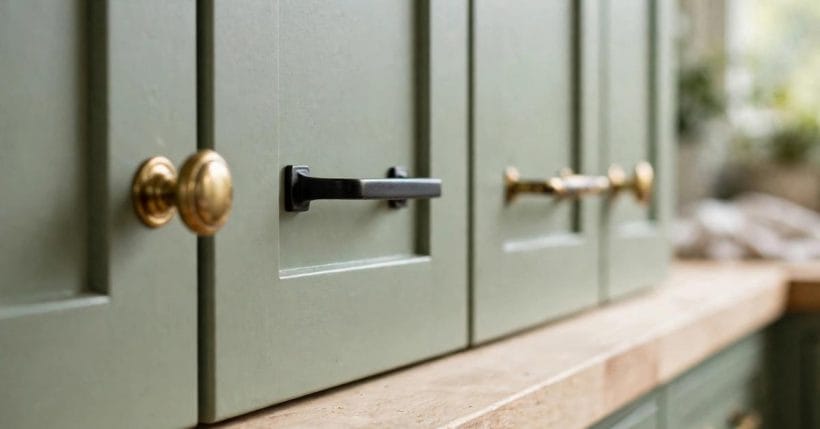
Cabinet knobs, drawer pulls, door handles and hinges are the parts of a home that hands reach for every day, often without a thought. They open the kitchen at breakfast, close the bedroom door at night, and carry the wear of years of cooking, cleaning and coming and going. Because they are small, they are easy to choose in a hurry, yet a handle that pinches, a knob that turns awkwardly, or a door that never sits quite square can irritate daily for a long time. A little attention before buying goes a long way, and most of what matters can be checked with eyes and hands rather than any special knowledge.
This guide works through hardware choice in plain terms, from the doors and drawers already in the home to the finish, the fixings and the care afterwards. It treats knobs, pulls, handles and hinges as one connected subject, because a drawer that opens well depends on the pull, the runners and the way the drawer itself is built. For the cabinets behind the hardware, the cabinet checks survey covers carcass, door and drawer construction in depth, which is useful background when judging what any handle has to work with.
1. Start With the Door and Drawer in Front of You
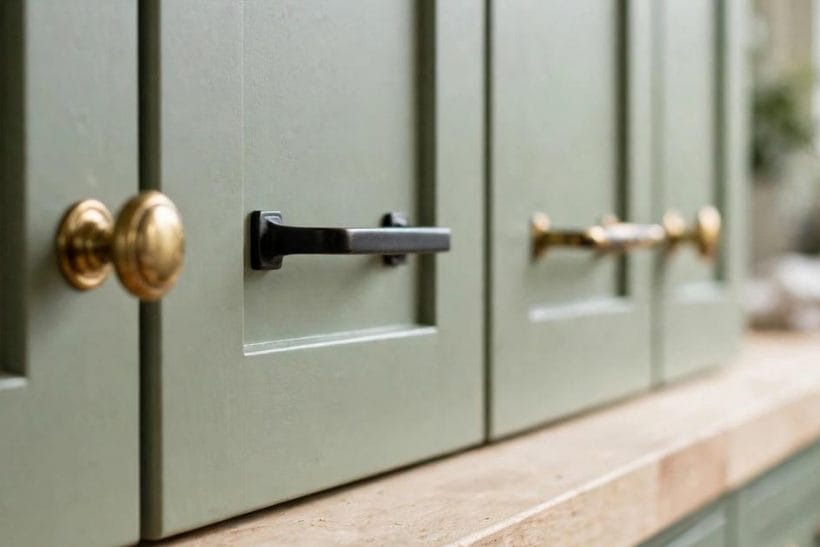
Before looking at any new handle, spend a few minutes with the doors and drawers it will serve. Open and close each one slowly and notice how it moves, where it catches, and how it sits when closed. A door that rubs against its frame, a drawer that sticks halfway, or a door that hangs slightly out of line will not be fixed by a new knob alone, and it helps to know about such things before spending on fittings. Note which doors are used most, which drawers carry the heaviest everyday load, and which handles are reached for with wet or busy hands, because those are the places where comfort matters most.
Look next at what is already fixed to the door. Existing holes, plates and marks set limits on what will fit neatly without extra drilling or filling, and a handle that covers old marks cleanly will always look more settled than one that leaves them showing. Check the thickness and feel of the door itself, since a slim door and a solid, weighty door ask for different lengths of screw and different depths of fixing. None of this needs measuring tools at the browsing stage, but a rough sense of whether a door is slim, standard or chunky will keep choices realistic.
Finally, think about the room as a whole rather than a single door in isolation. Hardware is seen together, across runs of cabinets and rows of doors, so a shape that looks charming on its own can feel restless when repeated across a whole wall. Stand back and take in the cabinets, the worktop, the flooring and the light, and picture the new handles as part of that picture. The sections that follow take each check in turn, starting with the part hands notice first: the grip.
2. Knobs, Pulls and Handles: Finding a Comfortable Grip
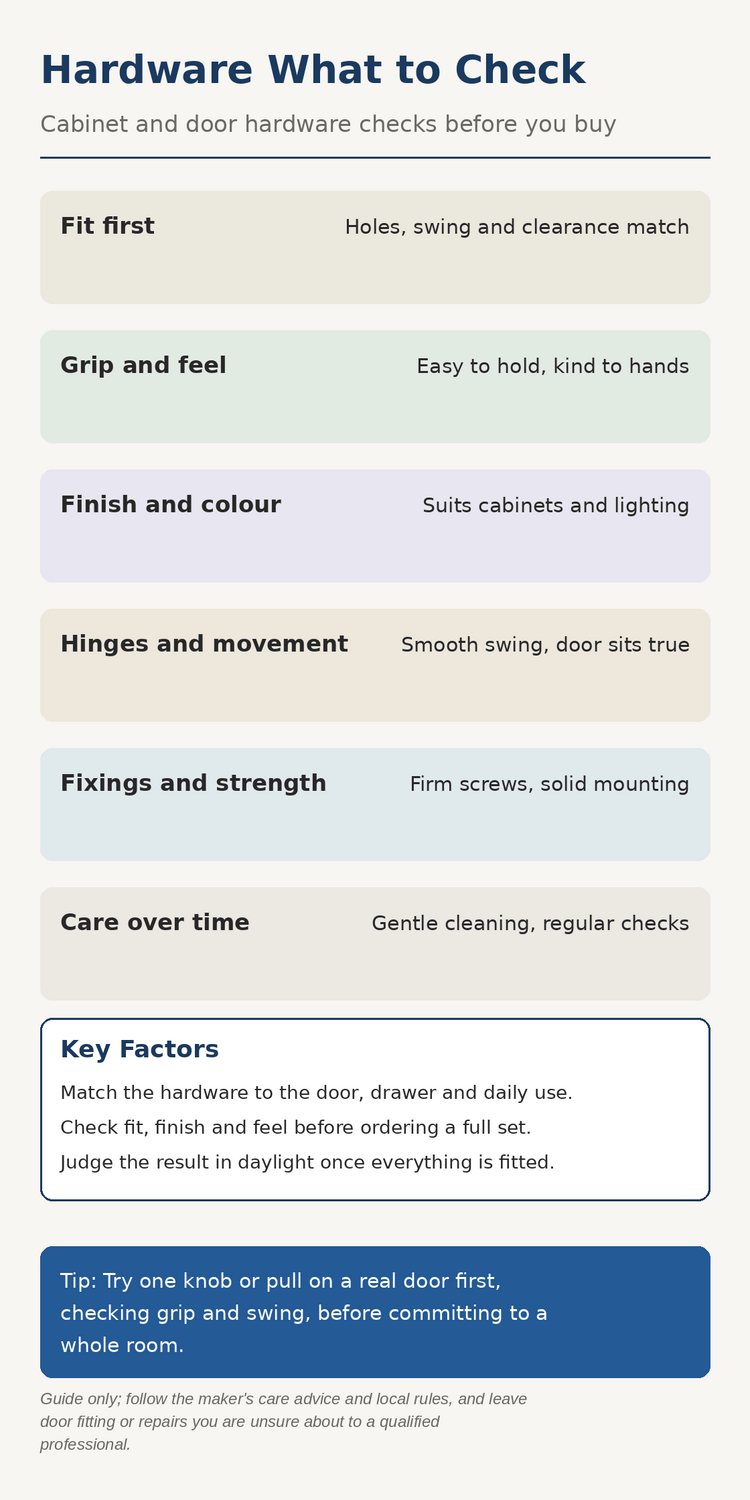
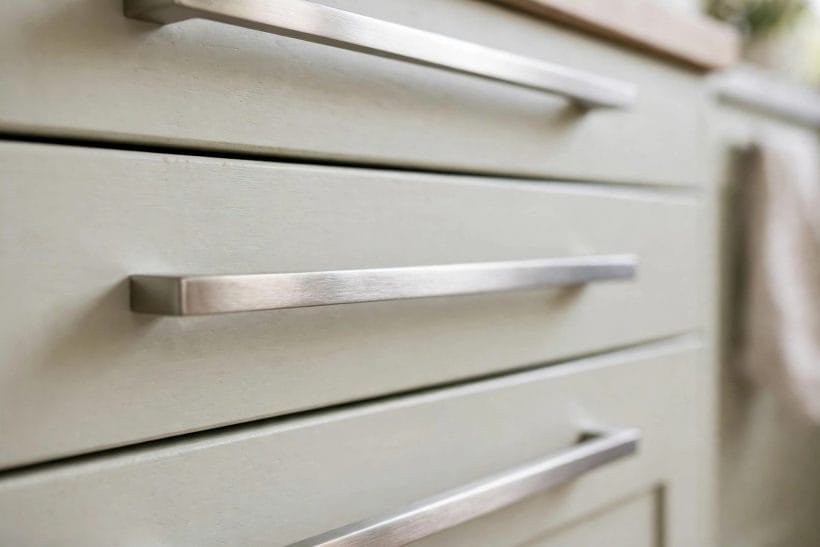
Knobs suit small doors and drawers where a single point of grip is enough, while pulls spread the load across a wider grip and suit broad drawers and heavy doors. A bar pull gives the whole hand something to hold, which helps when a drawer is full or when hands are damp from cooking. A cup pull, which is gripped from underneath, keeps the front of a drawer clear and suits kitchens where a projecting bar might catch clothing. A round knob is compact and tidy, but on a wide drawer it can feel like too little to hold, so the size of the drawer should always guide the choice of grip.
Comfort is personal, and the only honest test is holding the shape in the hand and moving as if opening a drawer. A knob with a crisp edge may look neat yet feel sharp after repeated use, while a smooth, rounded shape may feel kinder over a long day in the kitchen. Consider who uses the room as well: small hands, stiff hands and hands carrying things all benefit from a grip that can be caught easily without a precise pinch. If a handle needs a fiddly fingertip hold to work at all, it will frustrate in daily use no matter how good it looks on the door.
Projection matters as much as shape. A handle that stands well clear of the door gives fingers room, but one that juts too far can catch sleeves, aprons and passing hips in a narrow walkway. In a busy kitchen, the balance between easy grip and a tidy profile is worth getting right, and it is one of the reasons trying a sample on a real door beats judging from a picture alone. Keep the grip comfortable, the projection sensible, and the movement natural, and the hardware will quietly do its job for years.
3. Matching Hardware Across a Room Without Matching Everything
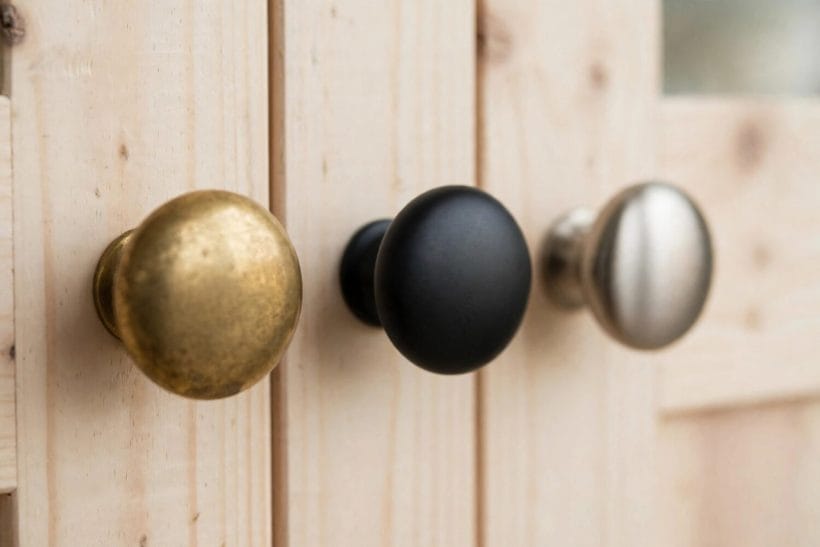
A room feels settled when its hardware belongs together, but belonging together does not mean every piece must be identical. A common approach is to hold one finish through the room and vary the shape where the job changes: knobs on small doors, pulls on wide drawers, a lever on the room door, all in the same metal family. The eye reads the shared finish as one decision, while each piece still suits its own door or drawer. Mixing finishes can work too, but it asks for a steadier hand, since two metals that clash will draw attention to themselves rather than to the room.
Pay attention to the other metals and surfaces already in the room. Taps, light fittings, appliance trims and even the tone of the worktop all sit near the hardware, and a finish that echoes one of them will feel intentional. Tiles set much of a room’s colour and sheen, so it is worth considering them alongside handles rather than after them; the tile what to check guide covers materials, finishes and practical details that shape how a room reads as a whole. A warm metal beside warm tiles and a cool metal beside cool stone each feel natural, while a finish that fights the room’s palette will stand out for the wrong reasons.
Restraint is the quiet rule here. Two shapes and one finish will usually carry a whole kitchen calmly, while a collection of different handles gathered over time can make even good cabinets look unsettled. If a room already has mixed hardware, replacing it in one planned pass, rather than door by door, gives the cleanest result. Step back, look at the wall as a single picture, and let the hardware support the room instead of competing with it.
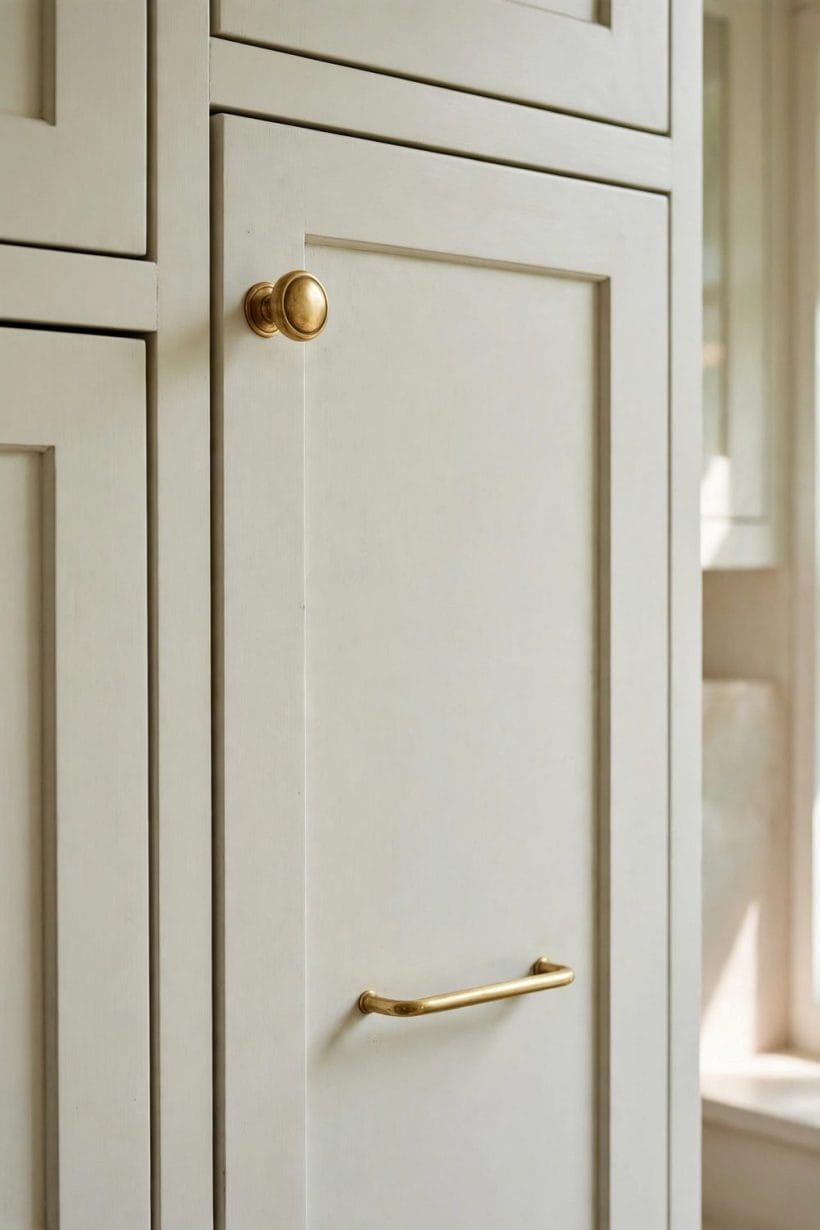
4. Hinges and the Way a Door Moves
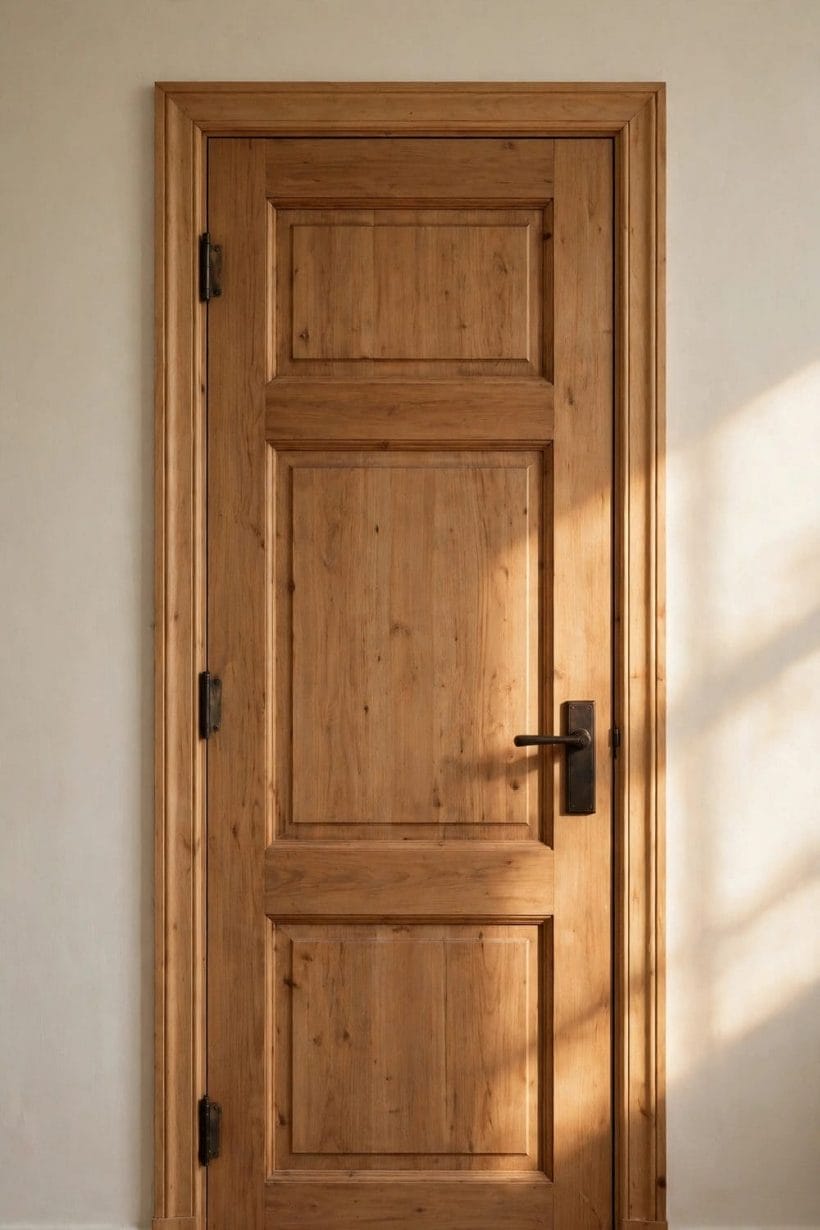
Hinges decide how a door moves, how it sits when closed, and how long it stays true. A concealed hinge hides inside the cabinet and gives a clean, uninterrupted door front, while a visible hinge shows its plates and screws and suits doors where the metalwork is part of the look. Either kind must hold the door’s weight without sagging, and the door should swing freely, close fully and sit level with its neighbours. A door that drifts open, drops at the far corner, or needs a push to close is usually telling a story about its hinges or its fitting rather than about its handle.
Soft closing is a feature worth understanding before choosing. On a soft-close hinge, the door slows itself near the end of its travel and settles shut without a slam, which suits busy households and rooms where doors are closed late at night. Not every door needs it, and it adds moving parts that must be kept clean and correctly adjusted, but where it is wanted it changes the daily feel of a kitchen noticeably. Entry doors carry heavier leaves and harder daily use than cabinet doors, and the fibreglass entry door checks guide covers material, fit and glazing for the doors that take the most weather and traffic.
Adjustment is the hinge’s quiet virtue. Good hinges allow small corrections to height, depth and sideways position, so a door that settles slightly out of line can be brought back without refitting the whole cabinet. When viewing hardware, look for that adjustability and for screws that bite firmly into solid material rather than into crumbling edges. A well-hung door moves with a light push, closes with a soft sound, and stays where it is put, and that movement is the real test of the hinge behind it.
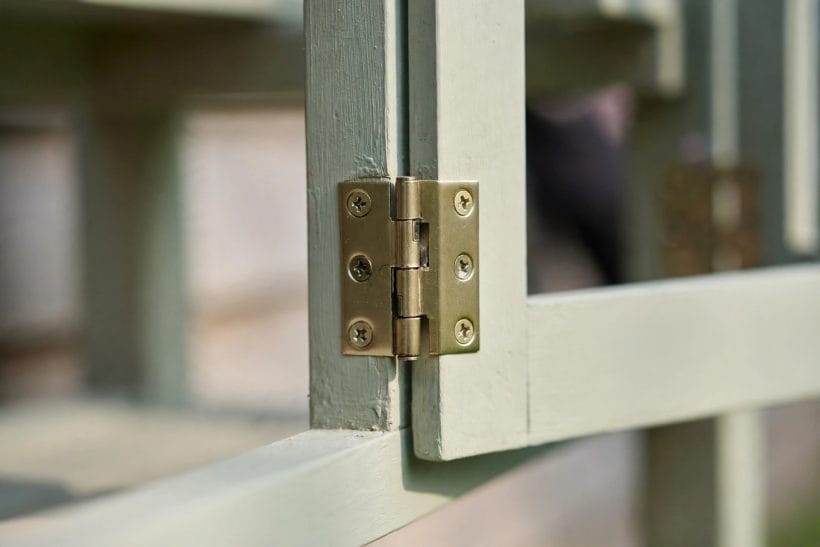
5. Finishes That Live With Daily Touch
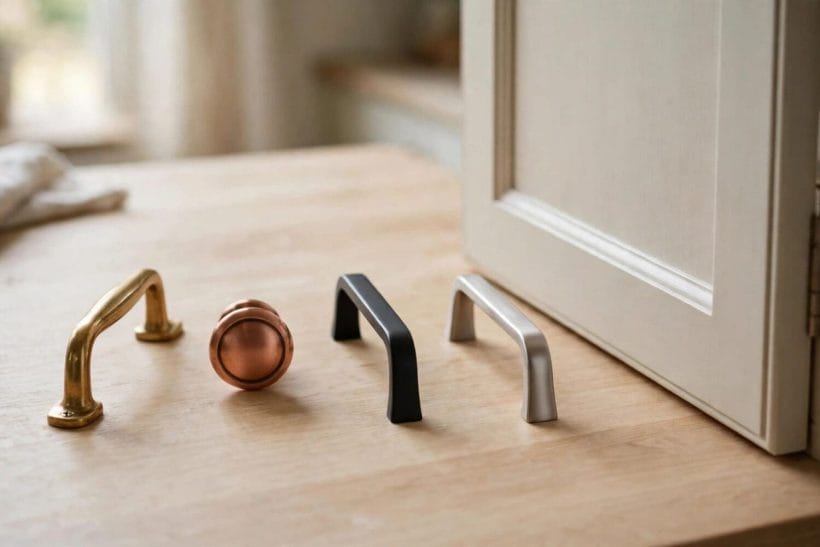
Finish is where hardware meets daily life most directly. Brass brings warmth and suits traditional rooms, nickel and chrome bring a cooler, brighter note, black brings a quiet, modern contrast, and copper brings a soft reddish glow that deepens a room’s palette. Each finish behaves differently under touch: some show fingerprints readily, some dull gently with use, and some develop a lived-in tone over time. That change is not a flaw in itself; it is the nature of a surface that is touched many times a day, and it is worth knowing which finishes change gracefully and which ones show every mark.
Rooms with steam and splashes ask for extra thought. Kitchens and bathrooms expose hardware to moisture, cleaning sprays and wet hands, so a finish that tolerates damp and wipes clean without harsh treatment will age more calmly there. Bathroom fittings make a useful comparison, since taps live in the wettest rooms of all; the bathroom faucet finishes guide looks at how finishes behave in damp conditions and what to weigh when choosing among them. Whatever the room, gentle cleaning and a soft cloth will preserve a finish far longer than abrasive pads or strong cleaners.
Light changes finish more than any catalogue picture admits. A metal that looks warm under shop lighting can read cooler in a north-facing kitchen, and a dark finish that looks sleek in a bright room can disappear against dark cabinets in dim light. View samples in the room itself, in daylight and in evening light, before committing to a whole set. The finish that suits the room’s real light, its cabinets and its daily cleaning habits is the finish that will still please years later.
6. Fixings, Screws and a Firm Fit
Even beautiful hardware fails on weak fixings, so the screws and plates behind the handle deserve as much attention as the handle itself. A screw must reach solid material and hold firmly without splitting the door or spinning loosely in an enlarged hole. When a handle wobbles, the cause is usually a fixing that has worked loose or a hole that no longer grips, rather than the handle itself. Checking fixings from time to time and tightening them gently keeps small looseness from becoming a damaged door.
Door thickness shapes the fixing more than most people expect. A slim door needs a shorter screw and a careful hand, while a thick, solid door can take a longer fixing and hold it firmly. The interior door thickness guide explains how door thickness varies and what it means for fitting, which is useful background when matching screws to doors. Where a door is hollow or lightweight, fixings that spread the load or grip from behind may be needed, and that is a point to settle before buying rather than after the first handle pulls loose.
Heavy doors and doors that must be hung true are jobs for a professional. Hanging a solid door, fitting hinges into a frame, or repairing a door that has sagged out of line all repay skilled hands, and a poor fitting can damage both door and frame. For simple swaps on existing holes, a careful homeowner can often manage, provided the new handle matches the old fixing points. When in doubt, ask a professional to look at the door before ordering, since a short visit can prevent a long and costly correction.
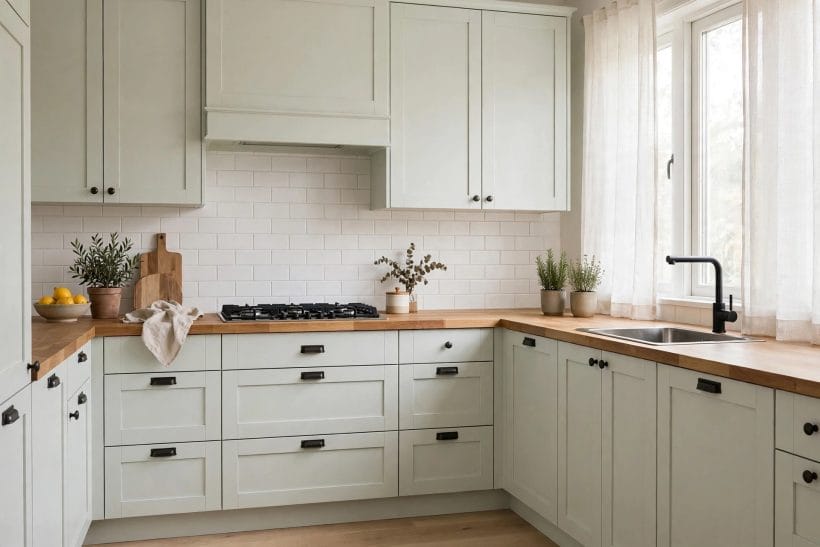
7. Care, Cleaning and Everyday Wear
Hardware care is mostly a matter of gentle habits. A soft, damp cloth removes kitchen film and bathroom spots without harming the finish, and drying afterwards prevents water marks from settling. Abrasive pads, scouring powders and harsh sprays wear finishes down and leave dull patches that cannot be polished back, so they are kept well away from handles entirely. A mild approach, used regularly, keeps metalwork looking cared for far longer than occasional aggressive cleaning.
Wear shows first where hands land most: the edges of pulls, the tops of knobs, and the plates around levers. Over time, that wear becomes part of the handle’s story, and on warm metals it can even add character. What matters is distinguishing honest wear from damage that needs attention, such as a loose plate, a cracked fixing, or a hinge that has started to grind. A quick check during routine cleaning, feeling for wobble and listening for roughness in movement, catches such things while they are still simple to put right.
Seasonal changes play a part too. Timber doors swell slightly in damp weather and shrink in dry spells, which can make a door rub or a latch sit differently for a while. Such movement is normal for natural materials and usually settles as conditions change, but hardware that is already loose will feel it first. Keeping fixings firm and finishes clean through the year helps doors and drawers move smoothly whatever the weather brings.
8. Ordering Hardware Without Seeing It First
Much hardware is now ordered without being held first, which makes careful reading of the listing essential. Check the measurements given, the finish description, the shape and projection, and what is included with each piece, such as screws or plates. Pictures can flatter, so read the written details alongside them and compare the measurements with the doors at home before ordering a full set. A sample piece, ordered alone and tried on a real door, answers questions about grip, colour and projection that no picture can settle.
Ordering checks apply well beyond hardware, and the same habits serve any home improvement purchase made online. The ordering home improvement products online guide works through listings, measurements, terms, delivery and returns in general terms, which is useful reading before committing to a large order. Keep order notes, delivery details and any care advice together, so that a later question about a finish or a fixing can be answered from the record rather than from memory.
Cabinet orders deserve the same care, since handles are often chosen alongside new cabinets rather than after them. The ready to assemble cabinets what to check guide covers what to weigh before ordering flat-packed cabinets, and its measuring and checking habits transfer directly to hardware. When the order arrives, check each piece against the listing before fitting begins: finish, shape, count and fixings all deserve a look while any issue is still simple to raise.
9. Small Rooms and Tiny Homes: Hardware That Earns Its Place
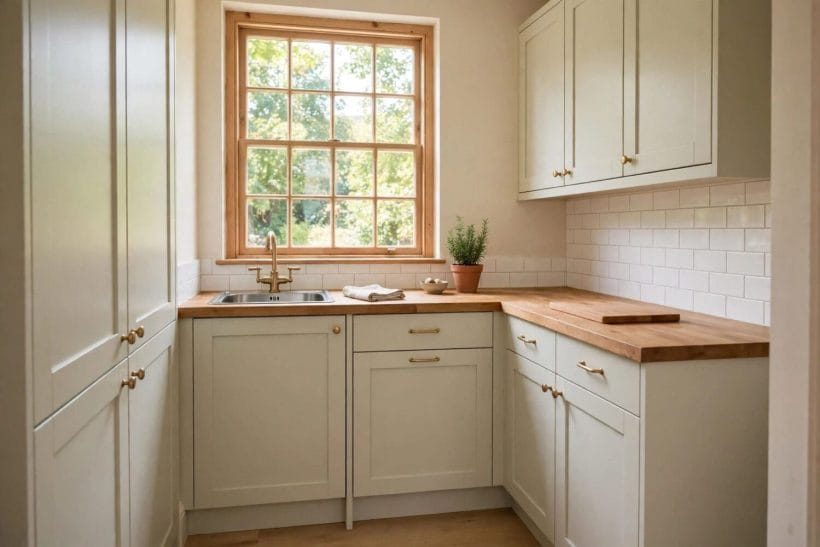
Small rooms punish awkward hardware more than large ones do. In a compact kitchen or a tiny home, walkways are narrow, doors sit close together, and a projecting pull can catch clothing every time someone passes. Low-profile pulls, compact knobs and levers that sit close to the door keep movement easy without giving up grip. Every piece should earn its place by being comfortable, easy to clean and kind to passing traffic, because there is little spare room for hardware that merely looks interesting.
Consistency helps small rooms feel calm. A single finish and a small family of shapes make a compact space read as one thoughtful room rather than a collection of competing details. Light finishes on pale cabinets can make a small kitchen feel brighter, while dark finishes can give definition, and either can work provided the choice is deliberate and carried through. Mirrors, windows and light colours all shape how hardware reads in a small room, so judge samples in the space itself rather than in isolation.
Storage matters doubly in small homes, since every drawer and cupboard is used hard. Wide drawers need pulls that spread the load, tall cupboards need handles placed where they can be reached without stretching, and doors that open into tight corners need hinges that let them sit flat against the wall. Thinking through a day of use, from morning cooking to evening tidying, reveals which handles will be reached for most and which can stay simple. In a small home, good hardware is the kind that disappears into daily life and never gets in the way.
10. A Simple Shortlist to Take to the Shop
With the checks above in mind, a short visit to choose hardware becomes far simpler. Start by listing the doors and drawers involved and noting which ones are used most, which carry the heaviest loads, and which sit in damp or busy spots. That list turns a wall of samples into a manageable choice, since each handle can be judged against a real job rather than against its neighbours on a display board. Bring the rough sense of door thickness and existing fixing points along, so that choices stay within what will actually fit.
Judge each candidate by the same few questions. Does it feel comfortable in the hand, without pinching or slipping? Does its projection suit the walkway beside it? Does its finish suit the cabinets, the light and the cleaning habits of the household? Does the door move well on its hinges, and do the fixings hold firmly into solid material? A handle that answers yes across that short set will serve well, while one that fails on grip or fit will disappoint daily no matter how attractive it looks.
Finally, resist the urge to decide everything at speed. Take a sample home, try it on a real door in real light, live with it for a day or two, and then decide for the whole room. Hardware is a small purchase with a long daily life, and a little patience at the choosing stage pays back every time a door opens smoothly, a drawer glides shut, and a handle feels just right in the hand. Choose for daily use, not for the display board, and the result will quietly please for years.
Final Considerations
Cabinet and door hardware rewards attention to the ordinary: fit, grip, finish, movement, fixings and care. None of these checks is difficult, and none requires specialist knowledge, yet together they separate hardware that merely decorates from hardware that serves a home well. The door that sits square, the drawer that opens with a light pull, and the finish that still pleases after years of touch all come from choices made patiently before buying, not from luck afterwards.
When a choice feels uncertain, return to the simplest tests: hold the handle, open the door, look at the finish in the room’s own light, and check that the fixings hold firm. Where fitting goes beyond a simple swap, or a door has sagged or a frame needs work, a professional’s help is money well spent. Chosen this way, hardware becomes what it should be: a quiet, reliable part of daily life, noticed only when it works beautifully, which, with the right checks, is most of the time.



0 Comments