

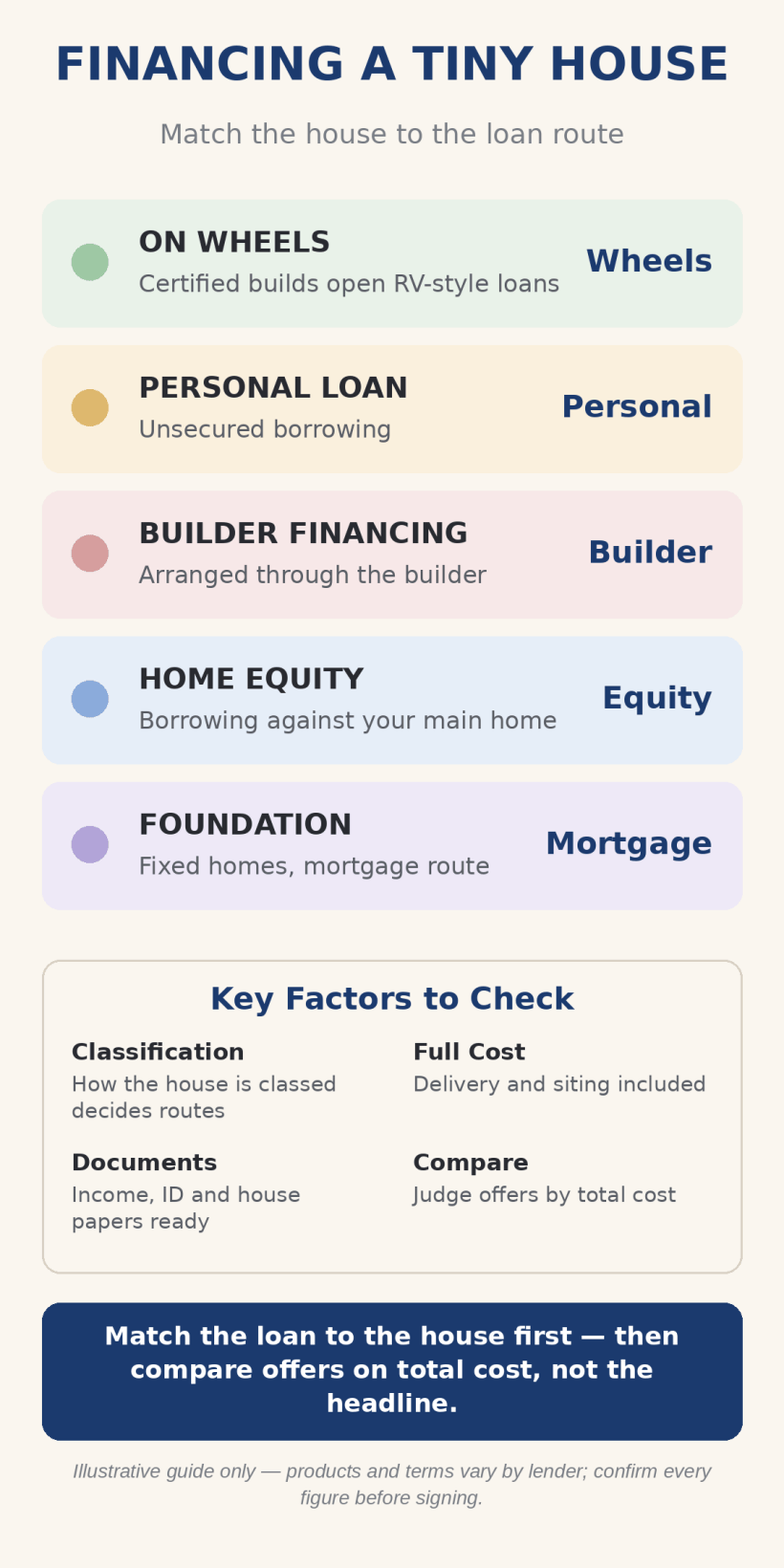
Yes — you can finance a tiny house, but rarely the way you would finance a conventional home. Most tiny houses do not fit neatly into the standard mortgage system, so buyers piece the money together from a wider set of routes: recreational vehicle loans for houses on wheels, personal loans, builder-arranged financing, home equity for existing homeowners, and, for foundation houses, mortgage-style lending where a lender offers it. Which routes are open depends mainly on the house itself, how it is classified, and your own financial position.
This guide works through financing in the order a careful borrower meets it: why classification decides so much, the full cost you need to cover, each route and who it suits, what lenders generally ask for, and how to compare offers honestly. Terms, rates, and availability vary by lender and change over time, so verify current numbers directly with any lender you are seriously considering.
1. Why the House Itself Decides Your Financing Options
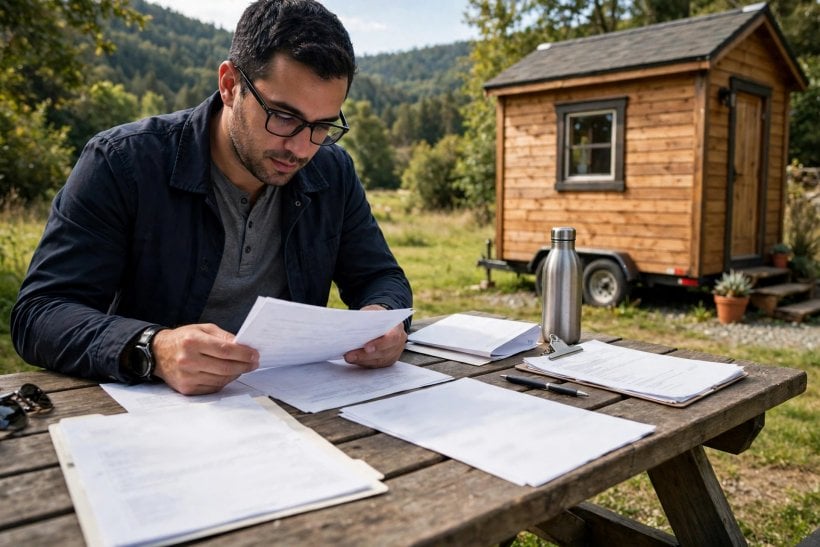
The first thing a lender wants to know is not your income. It is what, exactly, they would be lending against. A tiny house on a permanent foundation, built to the local building code on land you own, looks to a lender like a small house — unusual, but recognizable. A tiny house on wheels looks like something else: a vehicle, built on a trailer, that can be towed away. Since a lender’s security rests on being able to value the home and, in the worst case, recover it, the wheeled house is harder for them to deal with.
This is why certification and documentation matter so much: a house built by a known builder to a recognized standard, with paperwork a lender can review, is a far easier proposition than an undocumented self-build, however well built. Decisions made at build time quietly decide your financing menu later.
It also explains why two buyers of similar houses can have completely different experiences: one buys a certified house on wheels and borrows through a recreational vehicle lender; the other buys a foundation house on their own land and talks to mortgage lenders. Start every conversation by describing the house accurately — wheels or foundation, certified or not, where it will sit.
2. Work Out the Full Amount You Need to Borrow
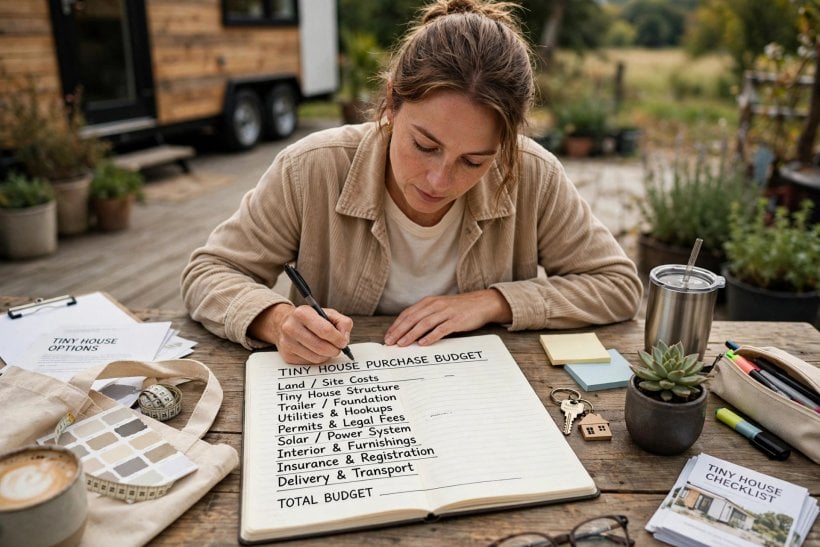
Borrowers often size their loan to the asking price and then discover the project needs more. The full cost usually includes some combination of the house itself, delivery and siting, a foundation or prepared pad, utility connections, permits, insurance, and land or lot costs if you do not already have a place arranged. Borrowing too little leaves you funding the remainder on expensive short-term credit, or not finishing the setup at all; borrowing far too much costs interest on money you never needed.
Build the total honestly before you approach a lender. Our breakdown of how much a tiny house costs works through the purchase price and the setup, and our comparison of the true cost of tiny houses, prefab versus DIY shows how differently the money is spent by building route — which matters here, because staged self-build spending fits some loan types badly and others well.
Then set your own ceiling, separate from any lender’s. A lender tells you the most they will lend, not the most you can comfortably repay alongside lot rent or land costs, insurance, and utilities. Borrow against your own budget, with a reserve left over — not against the lender’s maximum.
3. Recreational Vehicle Loans for Houses on Wheels
For a certified tiny house on wheels, the most travelled route is the recreational vehicle loan. Some lenders finance tiny houses through the same channel they use for RVs, because the house resembles one in the ways that matter to them: built on a chassis, with a vehicle-style title, it can be valued and recovered like one. Availability is not universal — many RV lenders will not consider tiny houses at all — so expect to approach lenders known to work in this space, often through your builder, who usually knows which lenders have financed their houses before.
Certification is the gatekeeper here. Lenders in this channel generally want a house built and certified to a recognized standard by an identifiable builder, with documentation to prove it. An uncertified house on wheels is much harder to place with them — one of the hidden costs of a very cheap or informal build.
If this route fits your house, compare it on its real terms: the deposit expected, the length of the loan, the total cost of borrowing over that length, what happens if you repay early, and how the house must be insured while the loan runs. Set it alongside the other routes below before deciding — the most familiar route is not always the cheapest.
4. Personal Loans: The Flexible Fallback
A personal loan is unsecured borrowing based on you rather than on the house. Because the lender is not relying on the tiny house as security, they do not need it to fit a category — making personal loans the flexible fallback for houses other routes reject: undocumented builds, older used houses, shells, and self-build projects needing money in stages.
That flexibility has a price and a limit. Unsecured borrowing is generally more expensive than borrowing secured against an asset, and the amounts are generally smaller, so a personal loan may cover a used house, a shell, or part of a project rather than a complete new turnkey home. Terms also tend to be shorter, raising the monthly payment even where the total borrowed is modest.
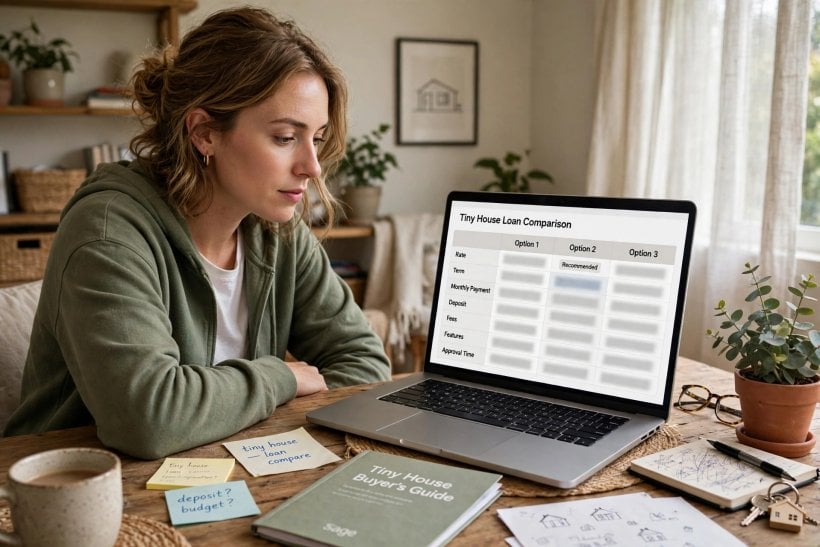
Personal loans suit borrowers with a solid income and credit record who value simplicity and speed, and whose project fits the amount and the shorter repayment window. Run the total repayment figure, not just the monthly payment, before signing.
5. Mortgages and Foundation Houses
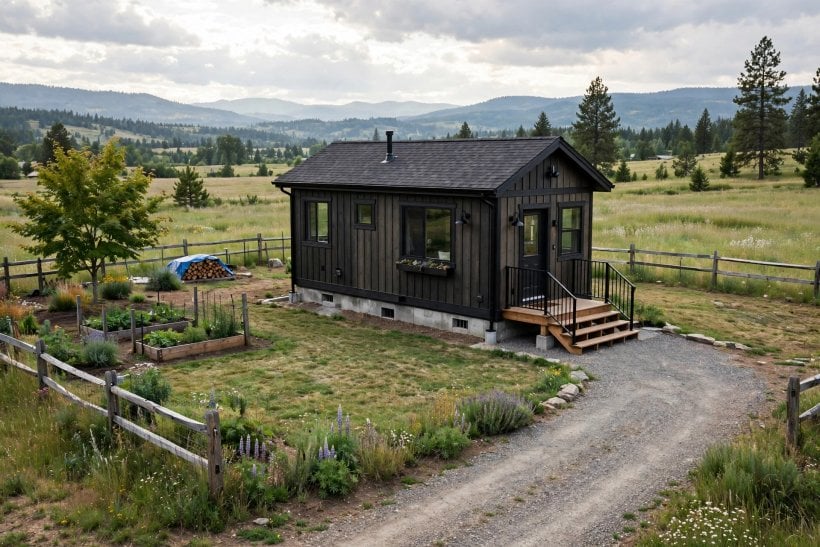
A tiny house on a permanent foundation is the one case where conventional mortgage lending can come into the picture — and even then, it is not guaranteed. Lenders and loan programs tend to have minimum expectations about the property: its size, construction standard, permanence, and the land it stands on. A well-built foundation house on your own land, built and inspected under the local code, has a genuine chance of being treated as a small house; a house that falls short on any point can be declined even though it is fixed in place.
Our separate guide to tiny house mortgages goes deeper into when mortgage lending is realistic. Raise the tiny house question early with any mortgage lender: describe the house, its size, foundation, and code status in the first conversation, so you learn whether it fits their criteria before investing weeks in an application that was never going to succeed.
6. Home Equity Borrowing for Existing Homeowners
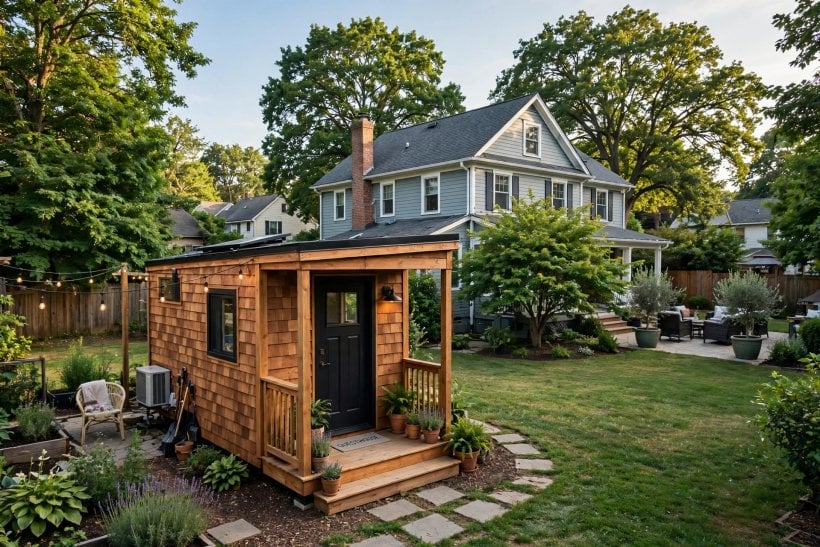
Homeowners have one more route: borrowing against the equity in a house they already own, through a home equity loan or a home equity line of credit. Because the loan is secured on the existing property rather than on the tiny house, the tiny house itself does not need to qualify for anything — making this a common solution for funding a backyard tiny house, a guest house, or a house placed on family land.
For the same reason, this route deserves the clearest thinking of all: the debt is secured on your main home, so falling behind is far more serious than with any loan attached to the tiny house alone. Borrowers who use equity successfully borrow a defined amount for a defined project and keep payments comfortably within budget.
Compare the equity route’s total cost and terms against the routes that attach to the tiny house itself; convenience is a real benefit, but it is not the only figure on the page.
7. Builder Financing, Credit Unions, and Building-Stage Borrowing
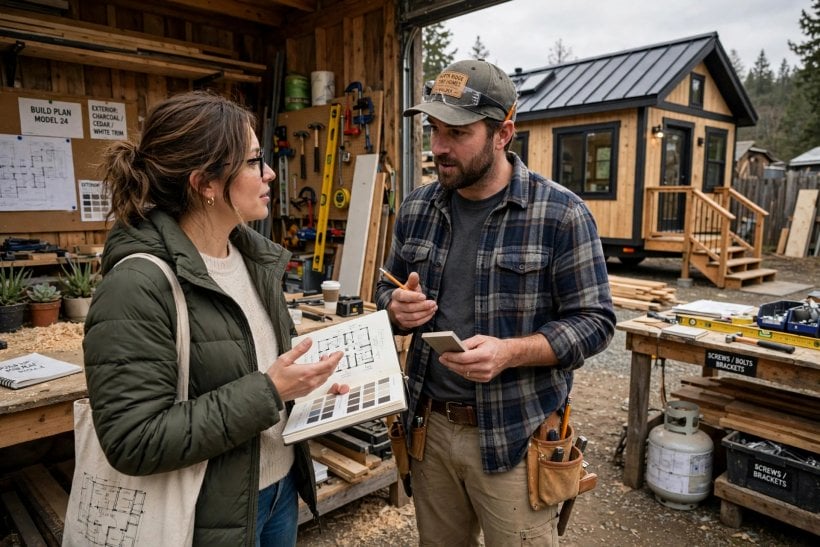
Many builders can connect buyers with financing, through lending partners they work with regularly or arrangements of their own. It is worth taking seriously as a starting point: a builder’s partner lender already understands tiny houses, removing the explanation problem that defeats applications elsewhere. But a starting point is not a conclusion — always compare a builder-arranged offer against at least one you arrange yourself, on total cost.
Credit unions and smaller local lenders are also worth approaching: one who has financed tiny houses locally, or who will sit down and understand the project, can sometimes help where a large lender’s standard categories cannot. Our main guide to how to finance a tiny house collects the loan routes in one place for when you start making those approaches.
Self-builders face the hardest version of the problem: the house does not exist yet, so there is nothing to secure a loan against, and money is needed in stages as materials are bought. Construction-style lending exists in some markets but is uncommon for tiny projects; many self-builders combine savings with staged borrowing such as a personal loan. Be realistic about the total before the first timber is cut.
8. What Lenders Generally Ask For
Whatever the route, lenders tend to examine the same handful of things; preparing them in advance speeds everything up.
Your credit record
Your credit history and score shape both whether a lender will lend and on what terms. Stronger credit generally means more choice and cheaper borrowing; weaker credit generally means fewer routes and higher cost. If your record needs work, a period of improving it — paying on time, reducing other balances — before you apply is often worth more than any negotiation afterwards. Check your own record early, and correct errors before a lender finds them.
Income, debts, and the deposit
Lenders generally want steady, documentable income, and they weigh your existing debts against it to judge whether the new payment fits. Expect to provide identification, proof of income, and statements for accounts and existing loans. A deposit of your own money also matters: it reduces the amount borrowed, demonstrates commitment, and generally improves the offers you receive. How much is expected varies by route and lender, so ask early.
Information about the house
Be ready to document the house as thoroughly as yourself: the builder and its certification where it has one, the specification, wheels or foundation, its title paperwork, and where it will be located. For a used house, title, history, and condition all come into it. The more complete your file, the fewer reasons a lender has to slow down or say no.
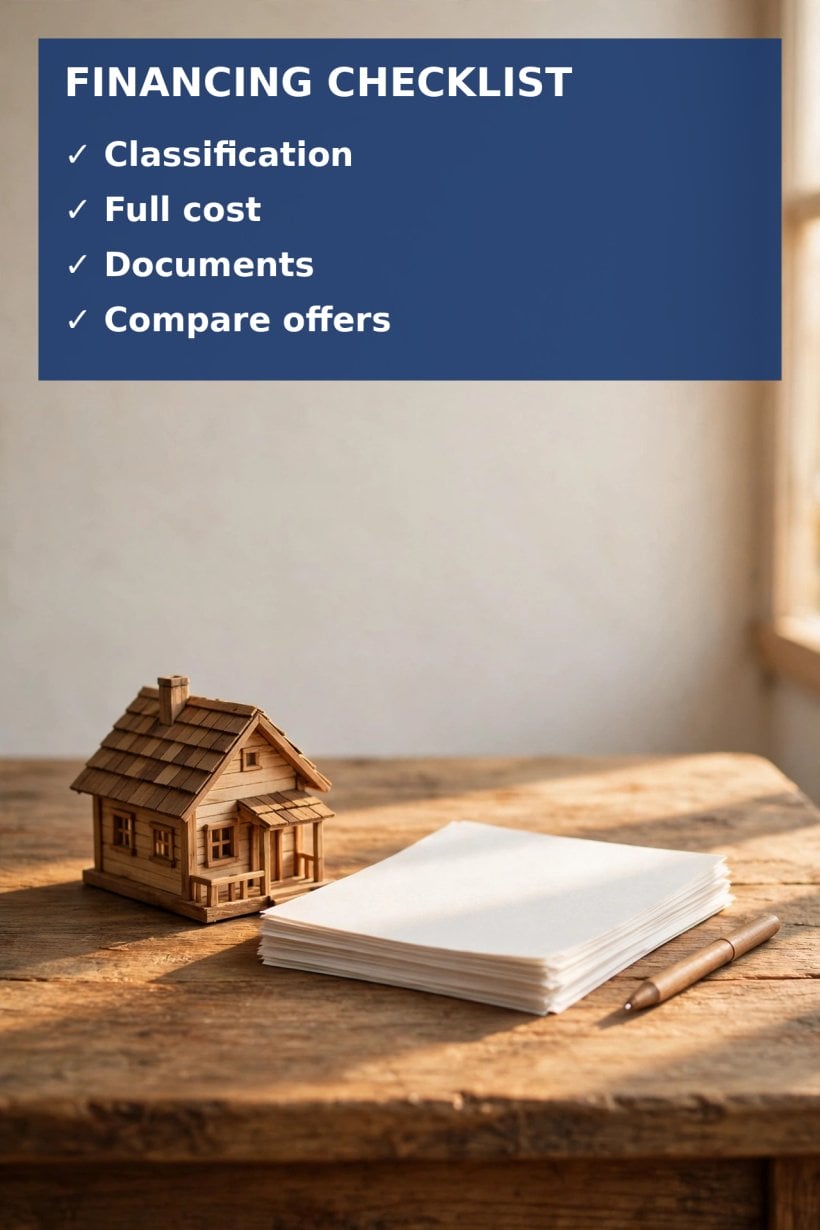
9. How to Compare Offers and Get Pre-Approved
Comparing loans on the interest rate alone is the most common borrower error. Two loans at similar rates can cost quite different amounts once fees, term length, and conditions are counted. Compare the total you will repay over the life of each loan, the monthly payment, any arrangement or closing fees, whether early repayment is penalized, and any conditions attached to the house while the loan runs.
Get more than one offer, from lenders who understand tiny houses, within a short window — so you compare genuine alternatives rather than taking the first yes you receive.
Pre-approval — a lender’s in-principle agreement, based on your documents, to lend up to an amount — is worth having before you commit to a house or sign a build contract. It tells you your real budget rather than your hopeful one and makes you a credible buyer. It is not a final guarantee, since the lender still approves the specific house, but it removes the largest uncertainty first.
10. Insurance, Legality, and Why Lenders Care About Both
Financing does not end at the loan. Lenders generally require the house to be insured, and tiny house insurance has its own wrinkles: a house on wheels is usually insured differently from one on a foundation, and not every insurer covers either. Our guide to tiny house insurance for wheels versus foundation explains the two worlds. Arrange insurance alongside the loan, not after it.
Legality matters to lenders for a practical reason: a house that cannot lawfully stay where it is placed is worth less and may have to be moved, which weakens the security behind the loan. Where your house will sit can therefore surface in a financing conversation. If you have not confirmed the position, start with our overview of tiny house laws by state, then confirm the specifics for your parcel with the county or city.
11. Cash Versus Borrowing, and the Mistakes to Avoid
Paying cash avoids interest and lender requirements entirely and makes you the simplest possible buyer, which is why so many small and used tiny houses change hands that way. Borrowing spreads the cost, preserves your savings for site work and a reserve, and lets some buyers buy sooner or buy better. Neither is automatically right: compare the total cost of borrowing against the value of keeping cash in hand, using real figures from real offers.
The expensive mistakes are consistent: taking the first offer without comparing; borrowing to the lender’s maximum rather than your own budget; sizing the loan to the house price and forgetting delivery, siting, connections, and insurance; ignoring fees and early-repayment conditions; and buying an undocumented house first and looking for financing second — the order that closes the most doors.
Can I finance a do-it-yourself tiny house build?
It is the hardest route, because there is no finished house for a lender to value or secure. Most self-builders rely on savings, sometimes combined with staged personal borrowing. Plan the full build budget in advance and keep the paperwork — receipts, plans, build photographs — since good documentation helps with insurance and any later sale.
Can I refinance a tiny house loan later?
Sometimes. Refinancing means replacing one loan with another on better terms, and whether it is possible depends on the house, its documentation, and what lenders are offering at the time. Treat it as a possibility to check when circumstances change, never as a promised escape from a loan you cannot afford today.
Final Considerations
Financing a tiny house is less about finding a single special loan and more about matching the right route to the right house: certified houses on wheels to recreational vehicle lenders, foundation houses to mortgage conversations where they fit, equity for homeowners funding a backyard build, personal borrowing for the projects nothing else will touch, and savings woven through all of it. Prepare your credit, documents, and full budget before you apply, and compare every offer on its total cost. Done in that order, the money becomes simply the means of getting the keys to a small home of your own.
Note: rates, terms, and lender availability change — verify current figures with lenders before you apply. This guide is general information, not financial advice.



1 Comment