
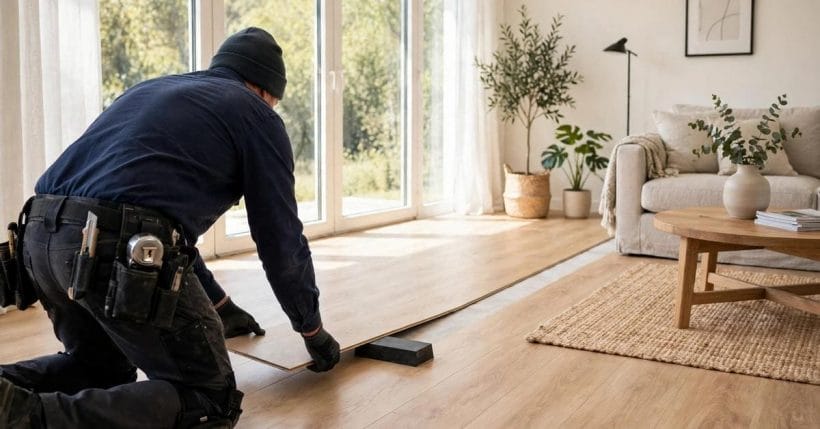
Vinyl flooring earns its place in a home on a simple promise: the look of timber or tile with a surface that copes with ordinary family life. The promise is real, but it is never one single thing. One range leans on a hard top layer, another on a soft feel underfoot, a third on a locking system that holds its joints tight. The checks below read any vinyl floor on its own terms, in the order a careful buyer would use them, with nothing taken on trust from a photograph or a headline claim.
Fitting is treated throughout as professional work. Subfloor preparation, cutting, locking and finishing all affect how a vinyl floor wears, and a professional fitter is the person to confirm that a chosen floor suits the room it is going into. Nothing here is a fitting lesson, and no claim here replaces the product sheet for the exact floor being considered.
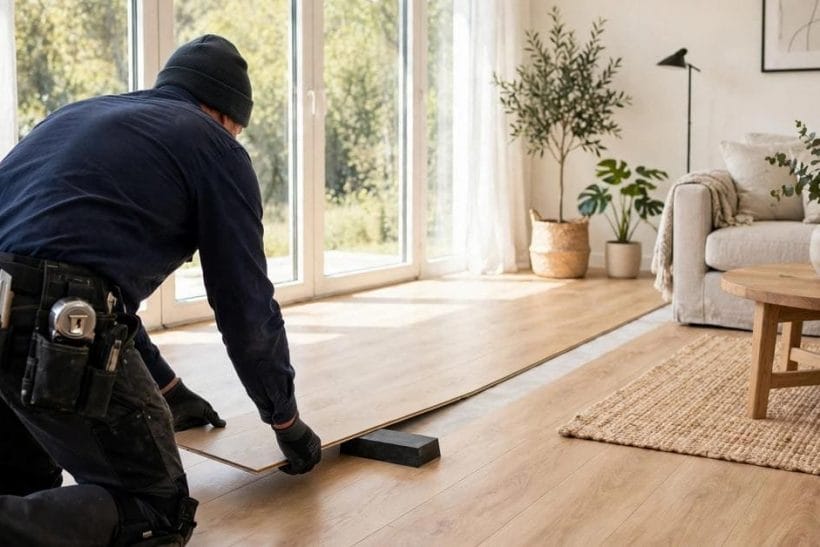
1. Start With the Wear Layer
Five checks carry most of the decision, and the table below is the whole post in miniature. Flooring in its full breadth, every material and every room, is gathered in the tiny house flooring ideas collection; this post stays with one material and reads it closely.
| Check | In a word |
|---|---|
| WEAR LAYER | Check the top layer |
| VINYL FORMS | Plank, tile or sheet |
| FEEL UNDERFOOT | Firm or softly cushioned |
| MOISTURE FIT | Match the room |
| FIT AND LOCKING | Tight, even joints |
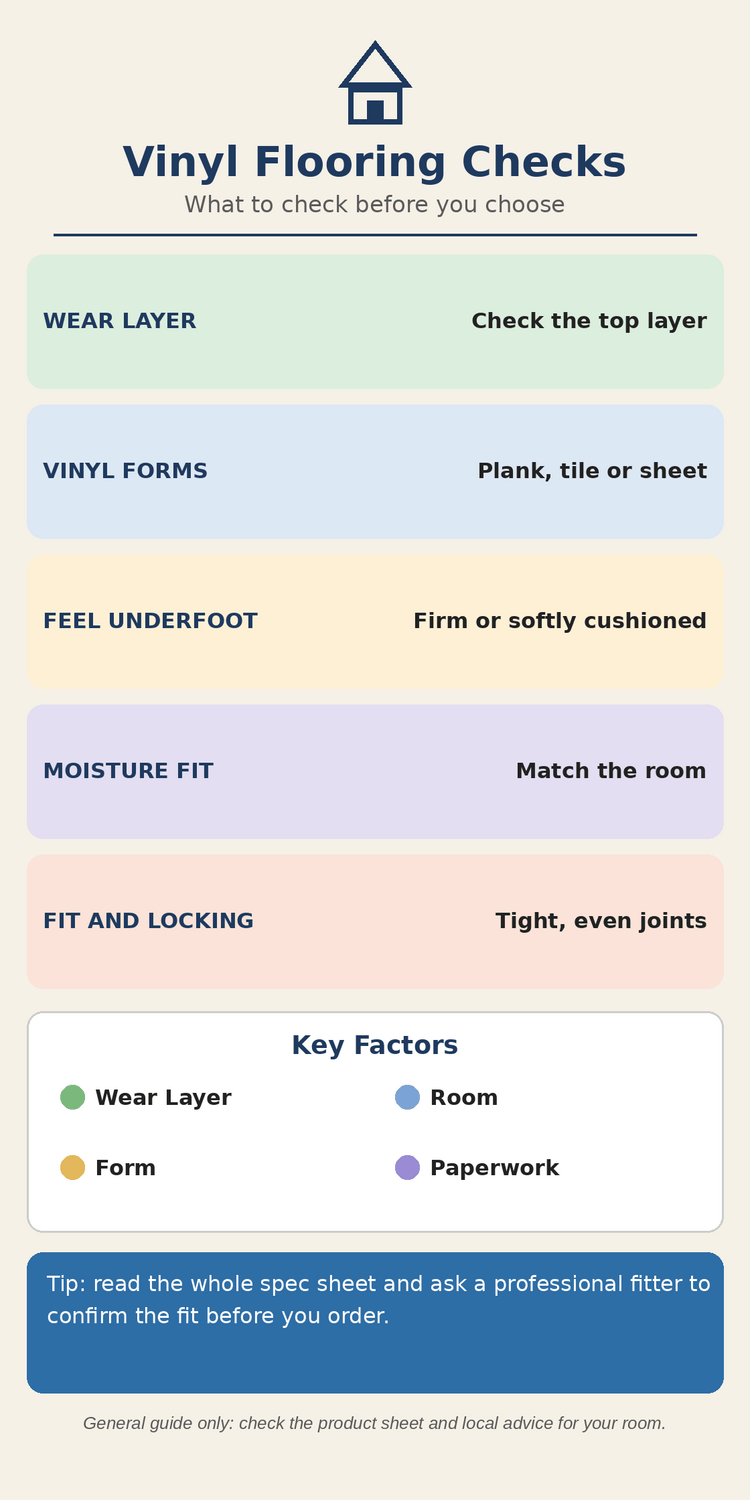
Four factors decide how the checks land in a real room: the wear layer, because the top surface takes all the traffic; the form, because plank, tile and sheet behave differently at edges and joints; the room, because water, sun and traffic load a floor unevenly; and the paperwork, because written terms and local quotes are where broad claims become specific. The sections below take them in order, and each one ends with the question to carry into a showroom or a quote.
2. Know the Vinyl Forms
Vinyl flooring arrives in three broad forms, and the form shapes everything that follows. Planks run long and narrow, in the manner of timber boards, and suit rooms where a board rhythm looks natural. Tiles run square or rectangular, and suit rooms where a tiled rhythm looks right, including rooms where a grid pattern helps the eye settle. Sheet vinyl arrives as a broad roll, with few joints, and suits rooms where a continuous surface matters more than a board or tile pattern.
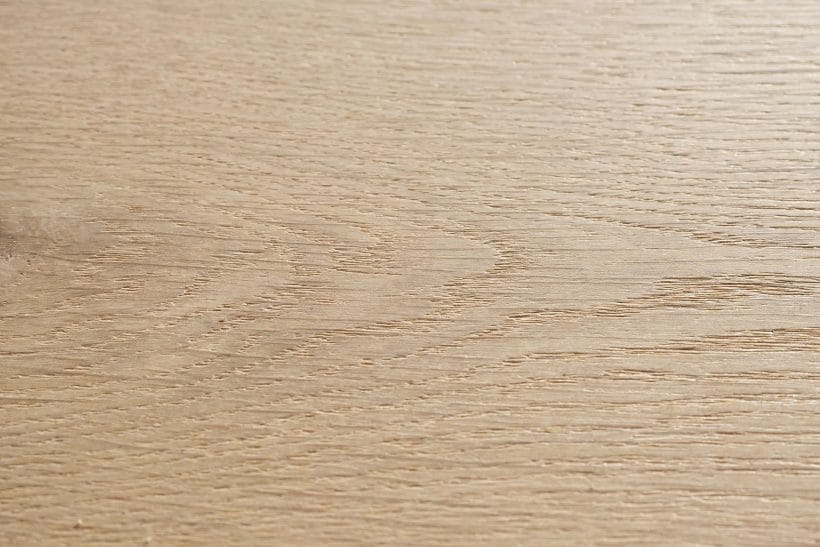
The surface pattern deserves a close look of its own. Hold a sample where daylight falls on it, and look at how the printed pattern repeats, how the grain or stone marking sits at the edges, and whether the finish reads as calm or busy across a whole room. A single plank can flatter, while a full floor of the same pattern can feel restless, so ask to see a larger laid sample wherever one is available, and view it standing back at ordinary room distance rather than pressed close to the surface.
Form also decides how a floor meets its edges. Planks and tiles end at walls, doorways and fixed fittings, and each ending needs a neat finish. Sheet runs on with fewer breaks, but its edges and seams still need careful finishing by the fitter. Floor plans shape this too, since the shape of each room decides where boards run and where they must end, and the tiny house floor plans collection shows how rooms join and divide in compact homes. The question to carry forward is simple: which form gives this room the fewest awkward endings, and what finish does the fitter propose for each one.
3. Feel It Underfoot
A floor is walked on far more than it is looked at, so feel matters as much as appearance. Some vinyl floors feel firm and direct underfoot, close to a hard surface, while others feel softly cushioned, with a slight give that suits bare feet and long evenings in a living room. Neither feel is right in itself; the right feel is the one that suits the room, the household and the way the room is used through the day.
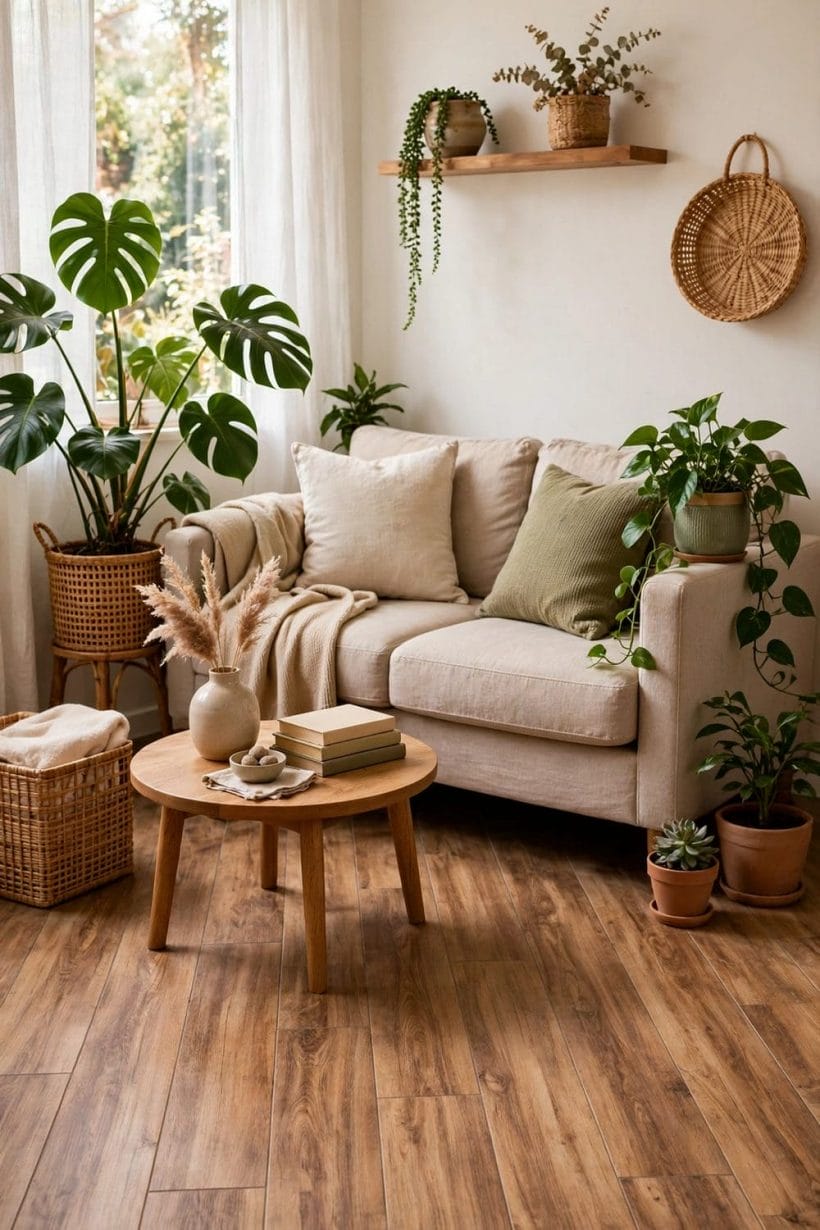
Walk on a laid sample whenever possible, in ordinary shoes and, where the showroom allows, in socks, and notice how the surface responds at a doorway, where traffic turns, and beside seating, where feet rest for long stretches. A small home rewards this test in particular, because the same floor often runs through living, sleeping and cooking spaces, and a feel that pleases in a showroom aisle can tire in a room that is lived in all day.
Underfoot warmth belongs in the same conversation. A floor over a cold base can feel cool in winter mornings, while a floor over a warmed base feels altogether different, and heating under a floor changes what the fitter must confirm before laying begins. The underfloor heating for tiny houses notes cover the warming question in general terms, and the fitter should confirm whether a chosen vinyl floor suits a warmed base at all, and what preparation that base needs. The question to carry forward is plain: how does this floor feel after an hour of ordinary living, not after a minute of showroom walking.
4. Compare Samples Side by Side
Samples mislead when they are judged one at a time. Laid alone on a counter, a plank looks richer, paler or warmer than it will look across a whole floor, and showroom lighting flatters almost everything. The remedy is unglamorous and effective: gather the shortlisted samples together, lay them side by side on a plain surface, and judge them as a group, in daylight, at the distance a room will actually be seen from.
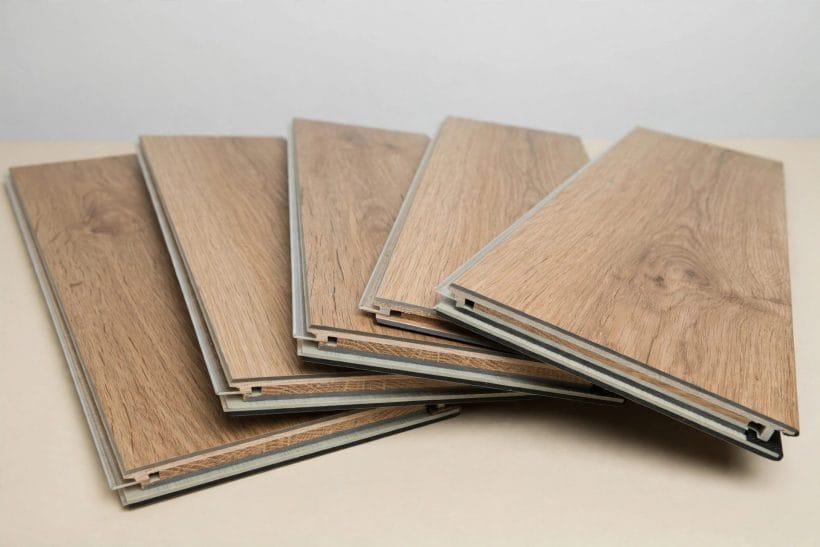
Look first at tone across the group. One sample may run grey beside another that runs warm, and that difference, invisible on a counter, will set the mood of a whole room. Look next at pattern scale: a bold grain that charms on one plank can crowd a small room when repeated across every board, while a quiet pattern that seems dull alone can calm a room that already holds plenty of colour and texture. Look last at the edges, where locking profiles and surface finishes meet, because a sample edge shows the build quality a photograph never can.
Take the shortlist home where the retailer allows it, and live with the samples for a day or two. Morning light, evening lamplight and the colours of the furniture already in the room will each change the reading, and a sample that holds steady through all three is a safer choice than one that shines only under showroom lights. The question to carry forward is direct: which sample still pleases when it sits beside the furniture, the wall colour and the daylight of the real room.
5. Ask About Underlay and Sound
Underlay sits beneath a vinyl floor, unseen, and it shapes sound, feel and sometimes warmth. Some vinyl floors carry an attached pad on the back of every plank, while others are laid over a separate underlay roll, and the two arrangements feel and sound different underfoot. A floor that clicks loudly in a showroom may quieten considerably over the right underlay, and a floor that feels hard may soften a little, so underlay belongs in the decision rather than arriving as a surprise on the quote.
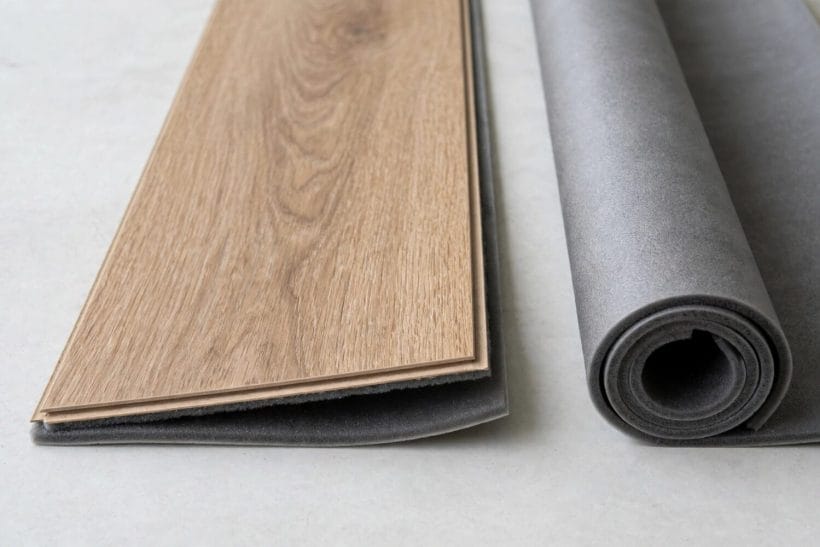
Sound matters most where a floor runs between rooms or above another living space. Footfall, dragged chairs and dropped objects all travel through a floor, and underlay is one of the few tools that softens that travel without changing the visible surface. Ask what underlay the fitter recommends for the chosen floor, whether an attached pad changes that recommendation, and whether the combination affects the floor’s overall height at doorways, where a raised floor can catch a door or a threshold.
Height at doorways deserves its own check, because vinyl plus underlay plus any levelling preparation can lift a floor enough to matter. Doors may need attention, thresholds may need a new profile, and transitions to neighbouring rooms may need rethinking, all of which the fitter should raise before work begins rather than discovering mid-job. The question to carry forward is simple: what sits beneath this floor, and how does the whole build-up behave at every doorway it crosses.
6. Match the Floor to the Room
Moisture is the room question that matters most for vinyl flooring, and it must be stated generally rather than promised absolutely. Kitchens, bathrooms and entrances meet water often, through splashes, wet shoes and cleaning, while living rooms and bedrooms meet it rarely, and a floor that suits a dry room may not suit a wet one. The product sheet, not the headline, says where a given floor is intended to go, and the sheet should be read room by room before anything is ordered.
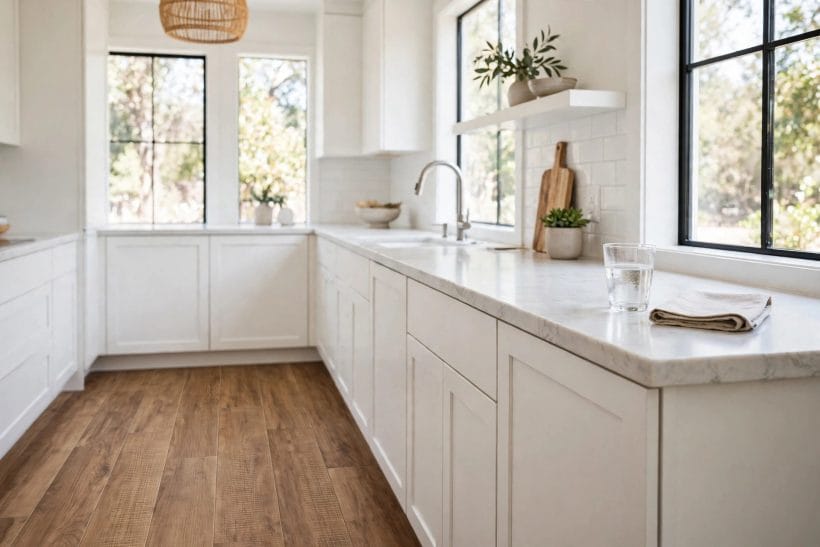
In a kitchen, the checks run to splashes at the sink and cooker, to cleaning, and to the way the floor meets cabinets and appliances, where water can sit unseen. A kitchen floor should be judged on how its joints and edges behave when water reaches them, and the fitter should confirm the finishing at every wet edge. The kitchen ideas collection shows how kitchen floors sit within the room as a whole, and the same room-by-room thinking applies wherever vinyl is considered for a cooking space.
Sunlight is the second room question, because strong sun through glass can fade a printed pattern and warm a surface through the day. A floor beside large windows or glass doors should be judged in that light, and the fitter should confirm whether the chosen floor suits a sunny position. The question to carry forward covers both: what does this room actually do to a floor, through water, sun and traffic, and does the product sheet answer for this room specifically.
7. Plan Delivery and Settling In
Ordering a vinyl floor is a small logistics project, and the unglamorous parts of it decide whether laying day runs smoothly. Boxes should arrive in good order, with time allowed for the material to settle in the room before the fitter begins, since vinyl that arrives cold from a vehicle or a store behaves differently from vinyl that has rested at room temperature. The fitter will advise how long that settling period should be, and the diary should hold that time rather than squeezing it out.

Measure twice, in the fitter’s company where possible, because a room measured from a plan alone can hide alcoves, angles and fixed fittings that consume material. Small rooms punish careless measuring most, since a shortfall of a few planks can stall a job while a matching batch is found, and an over-order wastes money and storage. A compact cooking space shows the same discipline at its sharpest, and the tiny kitchen ideas collection shows how tightly small rooms must be planned before any material is ordered.
Storage between delivery and laying deserves a thought too. Boxes should rest flat, dry and out of the way, where they will not be walked on or stacked under heavy goods, and the room itself should be clear, clean and ready for the fitter’s preparation work. The question to carry forward is organisational: is everything measured, delivered, settled and stored before the fitter arrives, so laying day is laying, not problem-solving.
8. Mind the Transitions Between Rooms
Where vinyl meets another floor, the join is a small design decision with an outsized effect. A threshold strip, a flush finish or a neat edge profile each reads differently, feels differently underfoot, and wears differently over time, and the choice should be made deliberately for every doorway rather than left to the last hour of the job. The fitter should show the proposed transition for each doorway, and the household should walk the proposal in imagination before approving it.
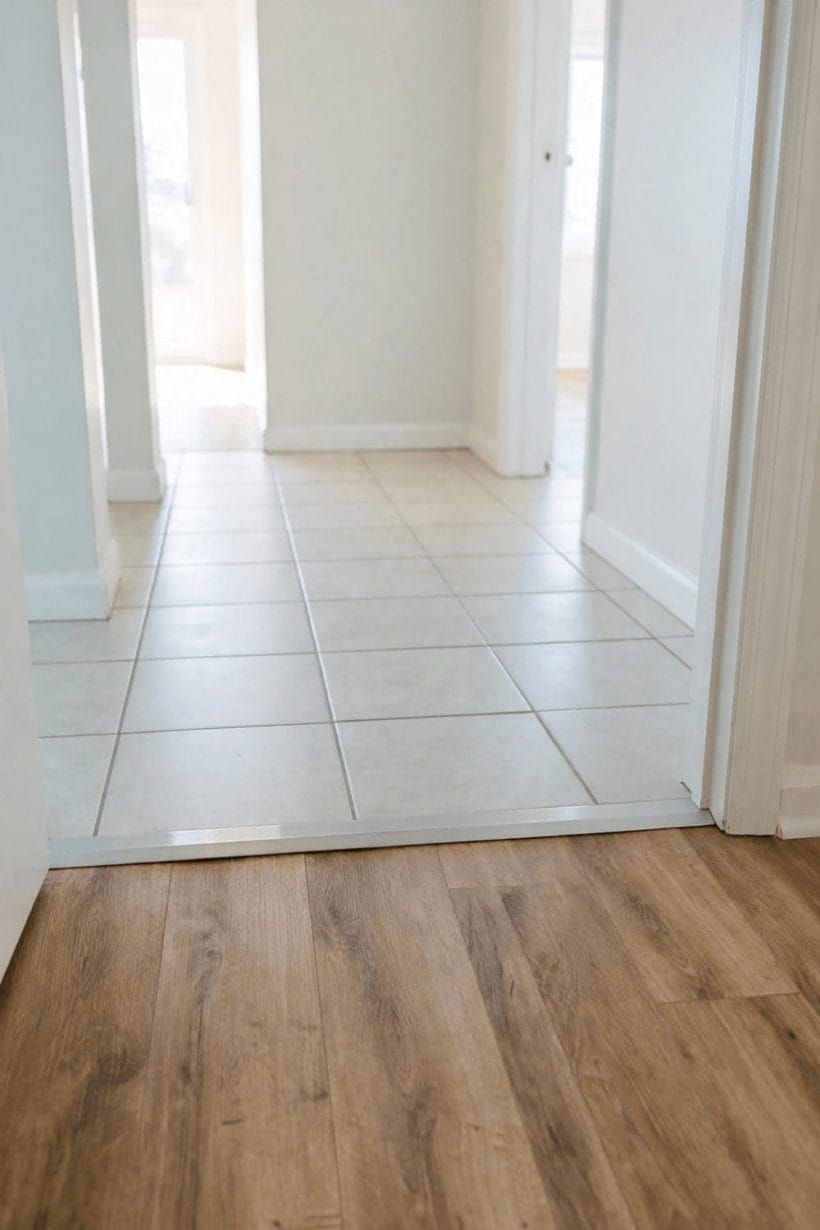
Bedrooms make the transition question concrete, because a bedroom floor is often walked on barefoot at night, and a lip or a sharp strip at the bedroom door is felt every single evening. The tiny house bedroom ideas collection shows how bedroom floors sit within restful rooms, and the same barefoot test applies to any room where shoes come off at the door. Transitions to bathrooms need the same care for a different reason, since water at a bathroom threshold should have no easy path under a neighbouring floor.
Finishing trims at walls belong in the same conversation, since skirting and edge profiles frame the whole floor and hide the small expansion gap a vinyl floor needs around its perimeter. Trims and profiles are worth choosing with the floor, not after it, and spare lengths kept back with the spare planks will cover later damage to an edge without a search for a matching profile. The question to carry forward is visual: does every doorway and every wall edge have a named, agreed finish before work begins.
9. Fit, Locking and Spares
A vinyl floor is only as good as its joints. Planks and tiles join to their neighbours, and those joints must sit tight, level and even, with no lip underfoot and no gap collecting grit. A locking profile that clicks cleanly in the fitter’s hands and stays closed under traffic is the heart of a plank or tile floor, and it deserves more attention than the pattern printed on top.
Ask the fitter how the joints in the chosen floor are made, how they behave at doorways and around fixed fittings, and what preparation the base needs before a single plank is laid. A base that is uneven, dusty or damp will show in the joints sooner than anywhere else, and preparation is professional work, not an afterthought. Some planks carry an attached pad beneath the locking profile, which the fitter will account for in the build-up, and sheet vinyl asks a different version of the same question, since its joints are seams rather than locks, and seam finishing decides whether the surface reads as one continuous floor.
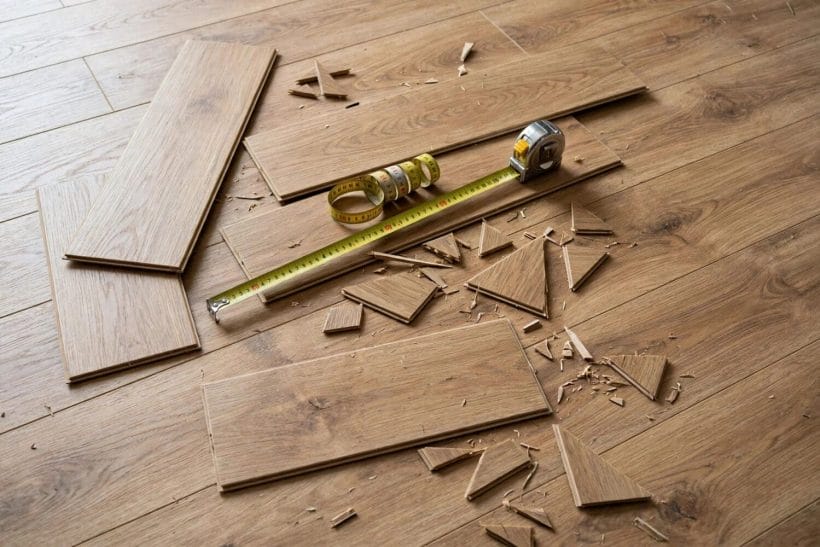
Spares close the subject. The fitter should confirm how much spare material to order, because rooms are not plank-shaped, cuts consume material, and a kept-back spare box covers later repairs without a hunt for a matching batch. Finishing trims deserve the same treatment, and the tiny house skirting options notes cover skirting choices in general terms, so the fitter can confirm which profiles suit the chosen floor and the walls it meets. In every form, the test is the same: joints that stay tight, level and quiet under ordinary traffic, finished by a professional who guarantees the labour. The question to carry forward is practical: who stands behind the joints, and what does that guarantee actually cover.
10. Read the Paperwork Before You Order
Paperwork is where a vinyl floor stops being a showroom promise and becomes a household commitment, so it deserves a slow read. The product sheet states the intended rooms, the care the floor needs, and the conditions that apply, and it should be read in full, not skimmed for a single reassuring word. Written terms from the retailer and the fitter should state what is covered, for how long, and by whom, and any gap between the product sheet and the quote should be questioned before money changes hands.
Owner feedback, read in general terms, adds a useful second view, provided it is read for patterns rather than for single stories. A single complaint or a single compliment proves little, while a repeated theme across many owners, about joints, fading or cleaning, is worth carrying into a conversation with the retailer. No single report should decide a purchase, and no report should be treated as a verdict on a whole range, but patterns are fair questions to put to the people selling and fitting the floor.
Quotes deserve the same slow treatment as product sheets. A local quote should name the floor, the underlay arrangement, the preparation, the transitions and trims, the waste margin and the labour guarantee, so that quotes can be compared like with like rather than headline against headline. Checking local quotes, in the plural, is the surest guard against a price that looks keen only because it omits half the job, and a fitter who welcomes detailed comparison is a fitter worth listening to. The question to carry forward is the one that governs the whole post: does the paperwork, read in full, support the floor this room actually needs.
Final Considerations
A vinyl floor rewards the buyer who reads before ordering. The wear layer takes the traffic, the form sets the pattern and the joints, the feel decides whether the room pleases underfoot, moisture and sun decide whether the room suits the floor at all, and the paperwork decides what happens when any of it is tested. None of those checks needs a brand name to work, and none of them is answered by a photograph alone.
Carry the five table checks into any showroom, ask the fitter to confirm the fit for the actual room, and let local quotes, read in full, settle the rest. A floor chosen that way may not be the floor that first caught the eye, but it will be the floor that still pleases when the novelty fades and ordinary life takes over, which is the only test a floor ever really faces.




0 Comments