
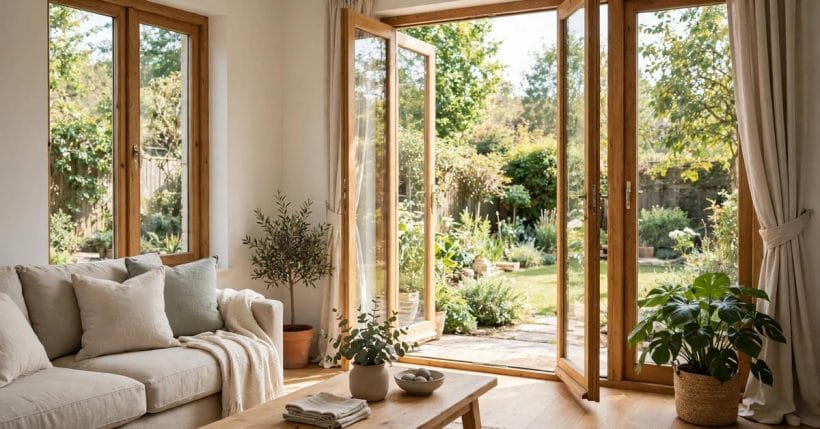
Windows shape a home in quiet ways. They decide how much daylight reaches a room, how fresh air moves through the house, how a view is framed, and how settled a room feels on a grey afternoon. Choosing windows well is therefore less about chasing a single feature and more about checking a handful of things together, in the rooms where you will actually live with them.
This guide walks through those checks in plain terms. It covers frame material, glazing, fit, opening style, light, care and fitting, so you can look at any window with a clear eye and ask useful questions before you commit. Nothing here is a verdict on any maker or model, and nothing here replaces the advice of a qualified professional for your own home.
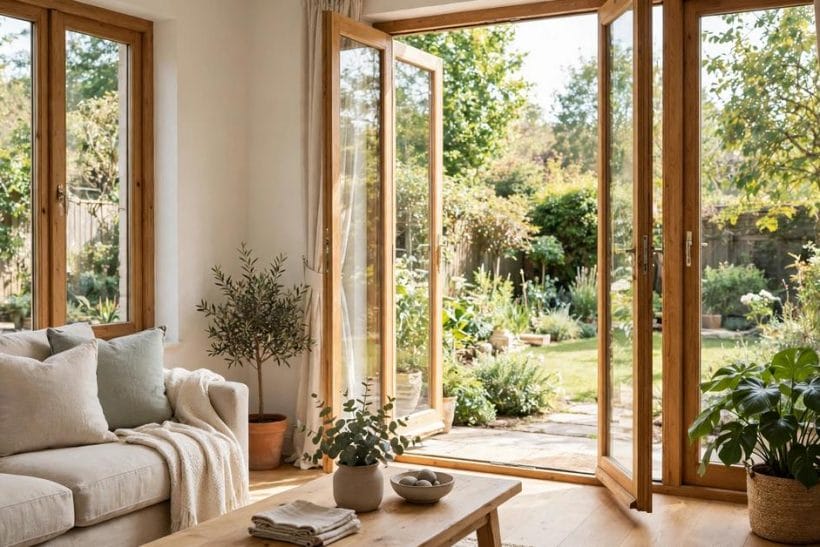
Start by picturing the window in use rather than on a showroom wall. A window that looks generous in a large display space can feel very different in a small bedroom, and a window that suits a sunny living room may not suit a shaded kitchen. Think about the room first, then let the window follow the room.
1. Start With the Room, Not the Window
Every room asks different things of its windows. A kitchen benefits from easy ventilation and a view that makes everyday tasks pleasanter, while a bedroom benefits from calm light, privacy and a window that closes with a reassuring, solid feel. A living room often wants a broader view and generous daylight, whereas a bathroom needs privacy and ventilation above all else. When you name what each room needs, the rest of the checks fall into place.
Notice how you use each room through the day. Morning light matters most where you wake and eat breakfast, while evening light matters where you gather and relax. A window facing a busy street brings different questions from a window facing a quiet garden, and a window near a seating area invites different thinking from a window above a worktop. Spend a little time standing in each room at different times of day, if you can, and note where light falls, where glare appears, and where you would naturally want to look out.
It also helps to think about furniture and layout before the window itself. A window placed behind a tall bookcase loses much of its value, and a window that opens onto a path or a seating area needs care with swing and clearance. Sketch the room roughly, mark where seating, beds and worktops will sit, and check that each window still earns its place. A well-placed window that serves the layout will please you far longer than a larger window that fights it.
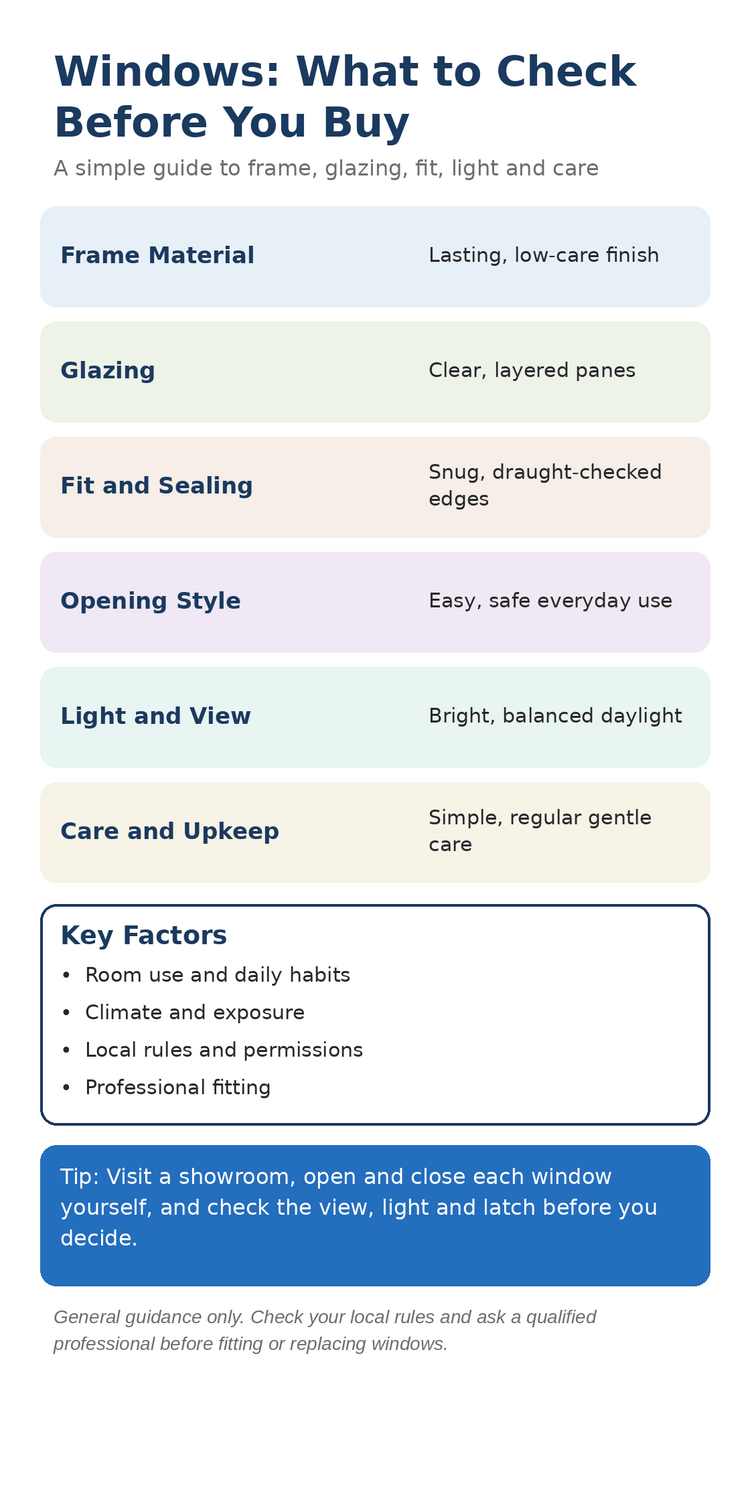
2. Frame Material and Finish
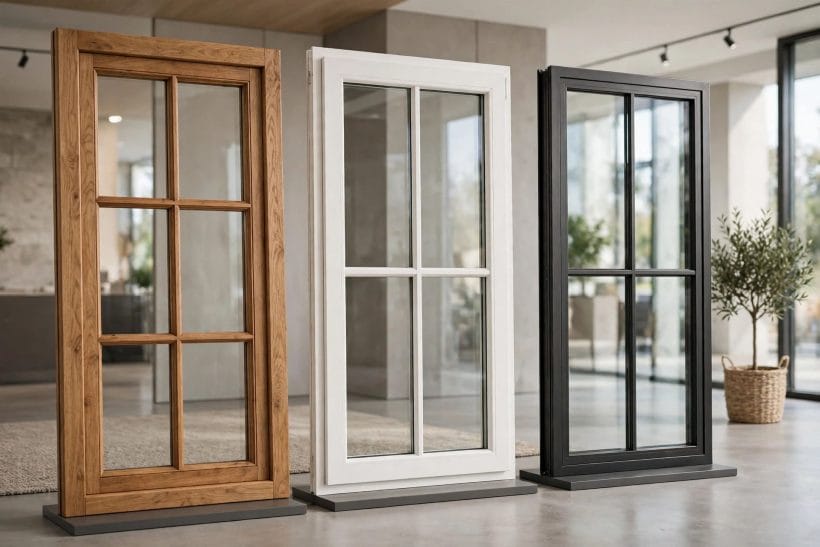
Frame material affects how a window looks, how it feels to use, and how much attention it will ask for over the years. Timber frames bring warmth and a natural grain that suits many homes, and they can be painted or finished to match a room. Other frame materials offer a smoother, more uniform appearance and a different kind of upkeep. There is no single right answer here, only a fit with your home, your climate and the amount of care you are happy to give.
Look closely at the finish as well as the material. A good finish should look even, feel smooth to the touch, and sit neatly at corners and joints. Check the inside face as carefully as the outside face, since that is the side you will see every day. Ask how the finish is maintained, what cleaning it needs, and how it is expected to age, and be wary of any claim that a finish needs no attention at all, since every material in a home benefits from occasional care.
Colour and profile matter too. A slim frame leaves more glass and more light, while a chunkier frame can suit a traditional room and give a window a steadier presence. Colour changes the mood of a room as well, with pale frames feeling light and open and darker frames drawing the eye to the view. Hold samples against your walls and flooring in natural light before deciding, since showroom lighting can flatter a colour that looks different at home. A related guide to window buying checks covers similar ground from another angle.
3. Glazing, Light and Comfort
Glazing is the glass itself, and it does much of the quiet work of a window. Layered panes, well-sealed edges and a sound frame all help a room feel comfortable, keeping draughts out and letting daylight in without harsh glare. You do not need to master the science to make a good choice. It is enough to understand, in general terms, that glazing, frame and sealing work together, and that a weakness in any one of them can undo the strengths of the others.
Stand beside a glazed window in daylight and notice what you see and feel. The view should look clear and undistorted, the light should feel even rather than patchy, and the edges of the glass should sit neatly in the frame. If you are comparing windows, try to view them in similar light, since a bright showroom can hide differences that become obvious in a dimmer room at home. Ask, in general terms, how the glazing is expected to perform in cold weather and in strong sun, and how condensation is handled.
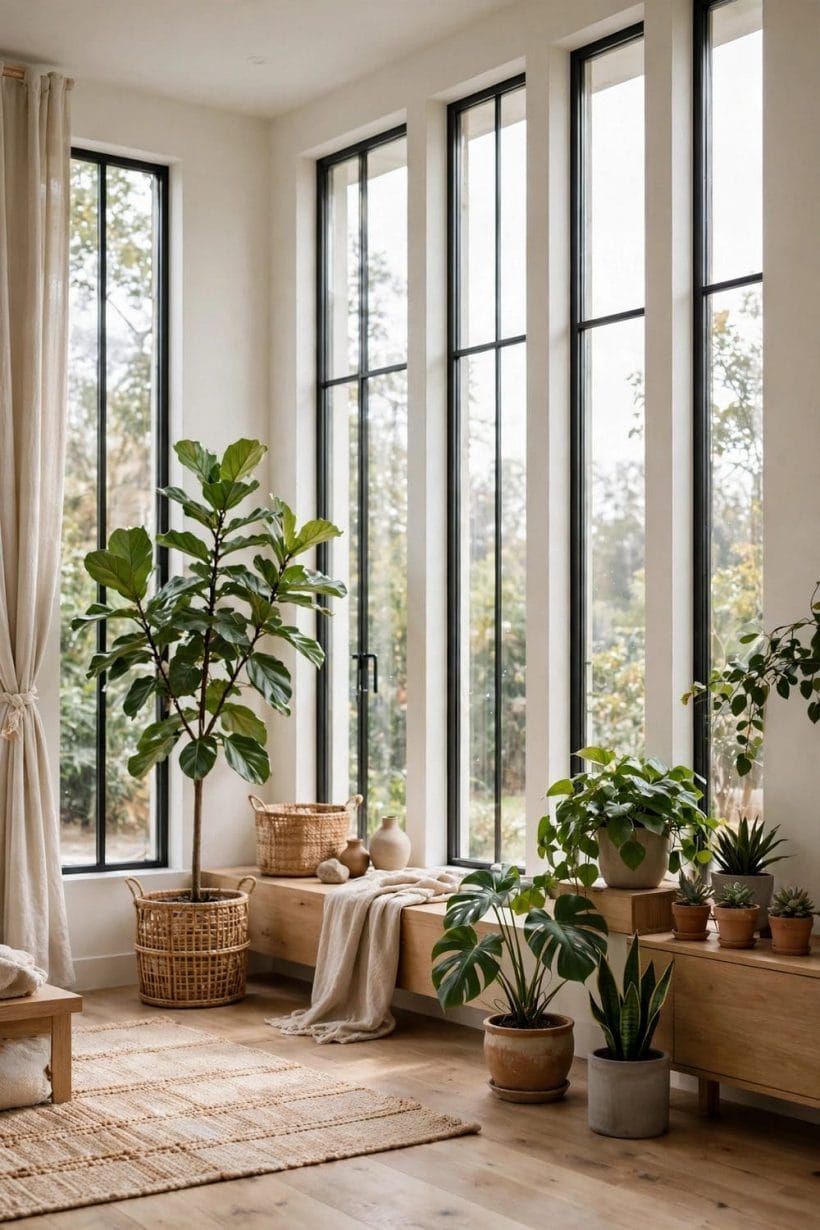
Comfort is also about sound and temperature through the seasons. A well-sealed window helps a room feel calmer and more settled, especially near a road or a busy part of town. In strong sun, think about shading and ventilation as part of the same question, since a window that admits generous light may also admit generous heat. Curtains, blinds and shutters all belong in this conversation, and our guide to curtains with blinds shows how dressing a window changes its light and privacy.
4. How the Window Opens
How a window opens matters every single day, far more than it seems to matter in a showroom. Some windows swing inward on hinges, some slide, some tilt for ventilation, and some stay fixed purely for light and view. Each style suits different rooms, different furniture layouts and different habits. The right choice is the one you will actually use, easily and without a struggle, in the room where it sits.
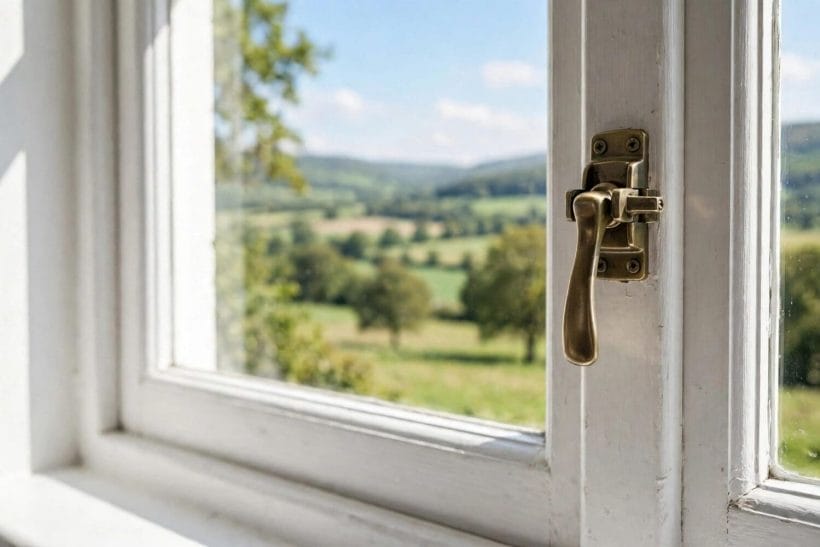
Try the operation yourself wherever possible. Open the window fully, close it again, and notice whether the handle feels comfortable, whether the movement feels smooth, and whether the window stays where you leave it. Check that you can reach the handle without stretching or climbing, and that the open window does not collide with furniture, curtains or a walkway. If a window will sit above a worktop or a bath, reach matters even more, since an awkward handle quickly becomes a window that stays shut.
Ventilation deserves the same practical test. A window that opens only a little may suit a bathroom or a high room, while a living room may want a wider opening for fresh air on warm days. Think about cross-ventilation too, since a room with openings on more than one side often feels fresher than a room with a single opening. And remember that fitting and adjustment are professional work, so any window that sticks, drops or fails to close evenly should be checked by a qualified fitter rather than forced.

5. Comparing Options Side by Side
Comparing windows side by side is one of the most useful things you can do, provided you compare like with like. Place similar styles together, in similar light, and look for differences in frame finish, glass clarity, handle feel and the neatness of joints and seals. Small differences that seem trivial in isolation often become clear when two windows stand next to each other, and that clarity helps you choose with confidence.
Take notes as you compare, and take photographs if the showroom allows it, since it is easy to forget which window had which quality once you leave. Note the frame material, the opening style, the colour, and anything that struck you about light or operation. A short note made on the spot is worth far more than a vague memory later, especially when you are comparing options across several visits.
Be cautious with displays that flatter one option over another. A window shown in a bright, styled room can look better than the same window would look in your home, and a window shown beside a poor example can look better than it deserves. Ask to see windows in plainer settings too, and ask what is included in each option and what is not. A calm, side-by-side comparison, made in your own time, is worth more than any hurried recommendation. For the wider project around new windows, our home renovation planning guide helps you plan the work in sensible order.
6. Windows and the House as a Whole
Windows never stand alone. From outside, they give a house its face, setting its rhythm and character along with the roof, the walls and the door. From inside, they connect each room to the garden, the street or the sky. A choice that suits one room can therefore look out of place if it clashes with the rest of the house, so step back and consider the whole building as well as each room.
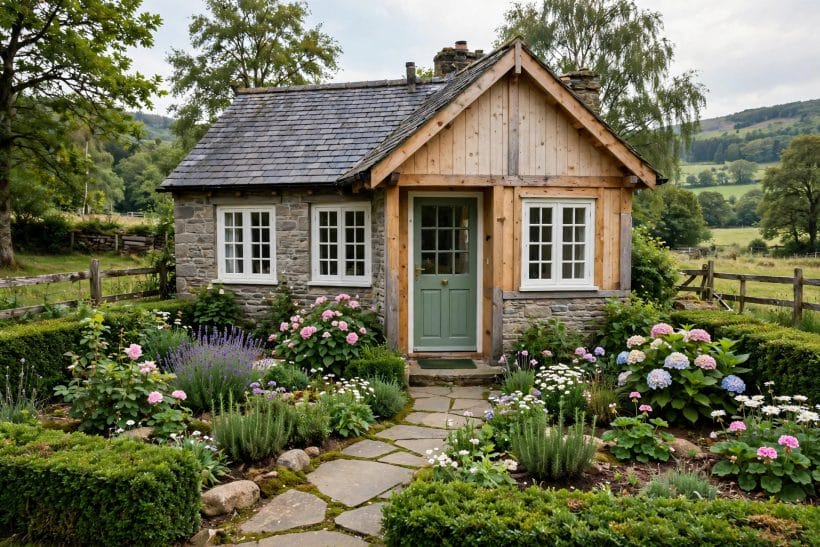
From the street, notice how window styles repeat and vary across the front of a house. A consistent style usually looks calmer than a mix of unrelated styles, and a consistent colour usually ties a house together. That does not mean every window must be identical, since different rooms have different needs, but the family resemblance should be clear. If your home has an established character, a window that respects it will usually sit more happily than one that fights it.
Inside, think about how windows relate to each other across rooms. A home where daylight flows in a similar, generous way from room to room often feels more settled than one where one room is bright and the next is dim. This is especially true in smaller homes, where light is precious and every window must work hard. Our guide to bay windows shows how one generous window form can change the feel of a whole room, and the same thinking applies to plainer windows chosen with care.
7. Seals, Draughts and Upkeep
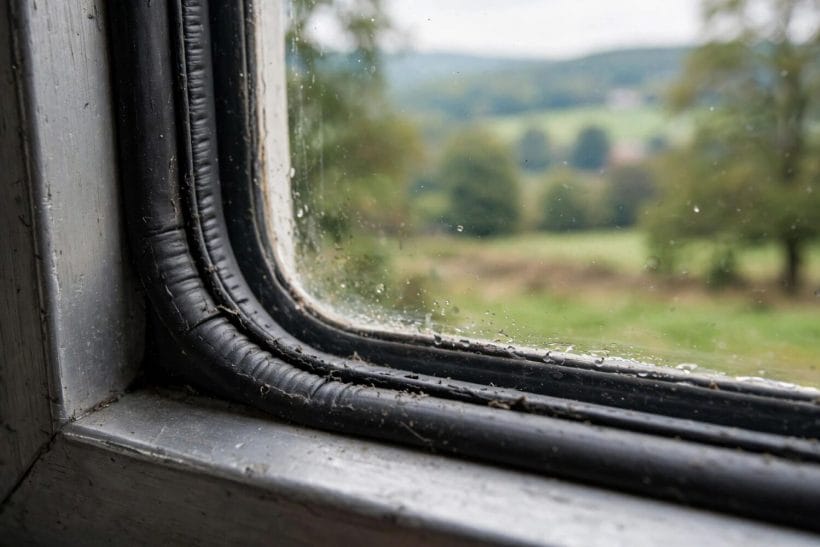
Seals are small, unglamorous parts of a window, and they do an outsized share of the work. A sound seal keeps draughts out, helps a room feel comfortable, and protects the frame and wall around it. When you look at a window, check the seals where the moving parts meet the frame, and notice whether they sit evenly, feel supple, and close without gaps or bunching. A window that closes with a neat, even feel usually has seals in good order.
Draughts are worth checking with care, since they reveal problems that are easy to miss in bright daylight. On a breezy day, hold a hand near the edges of a closed window and notice any cool movement of air. Check the corners in particular, since corners are where gaps most often appear. If you find a draught in an existing window, note where it comes from and mention it to a qualified professional, since the cause may be a seal, a hinge, a fitting issue, or a combination of these.
Upkeep is the other half of this check. Ask what routine care each window needs, how often seals and moving parts should be looked at, and what cleaning products are suitable for the frame and glass. Gentle, regular care usually serves a window far better than harsh treatment or long neglect, and a window whose care routine fits your habits is a window that will stay in good order. Keep the maker’s care guidance with your household papers, and follow it rather than improvising with unsuitable products.
8. View, Privacy and Dressing the Window
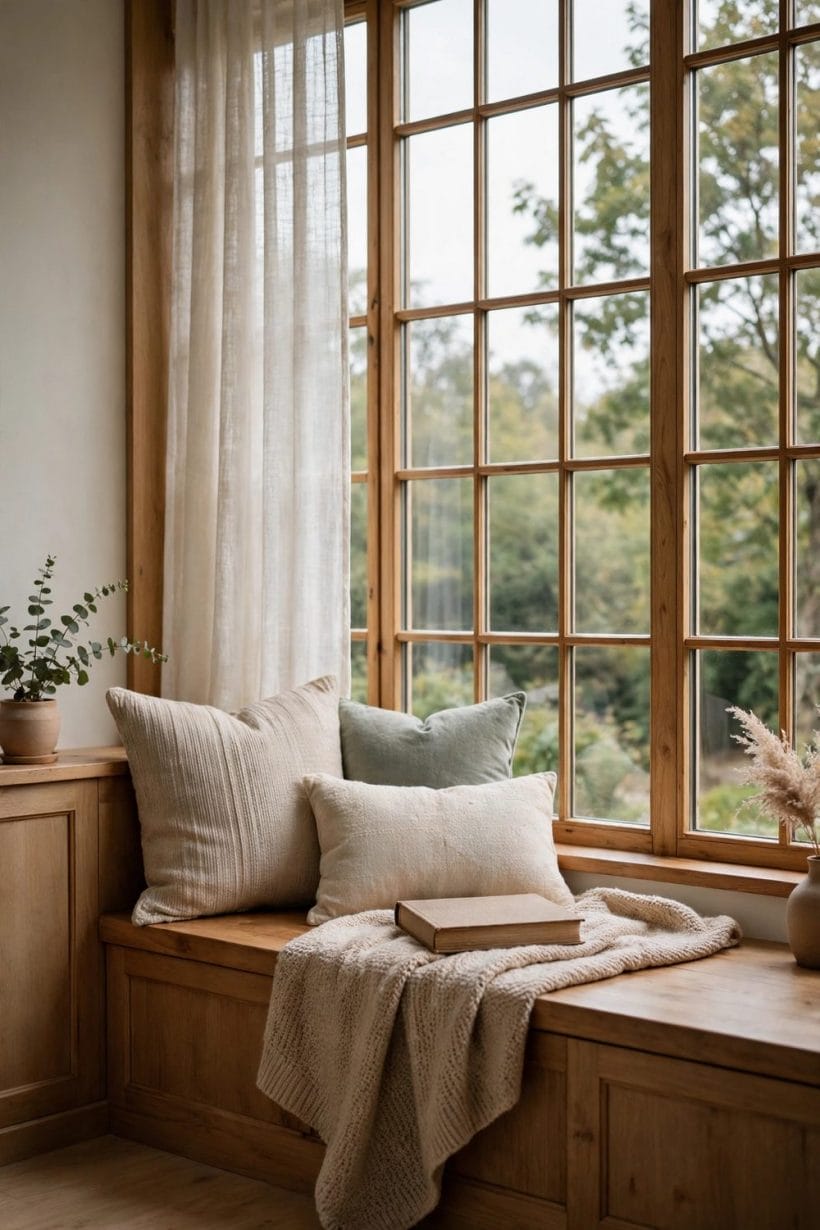
A window frames a view, and the view deserves as much thought as the glass. Before choosing, stand where you will stand in the room and look out. Notice what draws the eye, what distracts it, and whether the view feels generous or cramped. A window that frames a tree, a garden or a stretch of sky can lift a whole room, while a window that frames a blank wall or a busy road may need a different treatment, such as a higher sill, a different proportion, or thoughtful dressing.
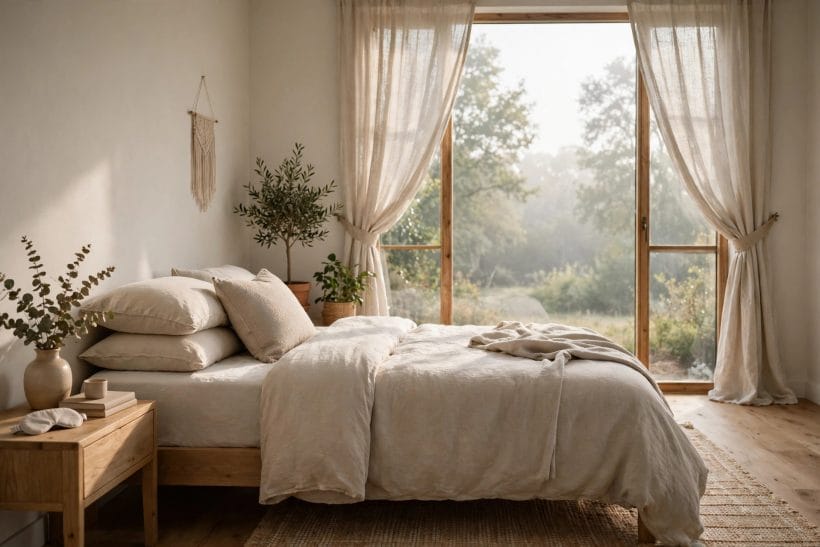
Privacy works alongside view, and the two need balancing. A window that opens onto a street or a neighbour’s garden may need a dressing that softens the outlook without shutting out daylight. Sheer fabrics, blinds and shutters each offer a different balance, and the right balance depends on the room, the time of day and how close the outside world sits. Our guide to window treatments explores these choices in detail, and it pairs naturally with this guide when you are planning a room from scratch.
Dressing also affects operation, so plan it together with the window rather than as an afterthought. A blind or curtain that blocks a handle, catches on an opening window, or crowds a sill will frustrate you daily. Check clearances, note where cords and poles will sit, and make sure the window can still open and close freely with its dressing in place. A window and its dressing should work as one system, not as two rivals for the same space.
9. Fitting, Safety and Local Rules
Fitting is professional work, and it deserves to be treated as such from the start. Measuring, preparing the opening, sealing, fixing and finishing all affect how a window performs, and a well-made window fitted poorly will disappoint. Choose a qualified fitter, ask about their experience with your type of home and window, and make sure the scope of work is clear before work begins, including who handles finishing, trims and making good around the opening.
Safety belongs in the same conversation. Think about how windows will be used by everyone in the household, including children and older relatives. Handles should be reachable without strain, opening windows should not create a hazard in a walkway, and any window that serves as an escape route or a ventilation path should be discussed with your fitter in those terms. If a window sits in a location where safety glass or a particular opening style is expected, raise that question early and follow professional advice for your home.
Local rules are the final piece of this check. Some homes and areas carry rules about window style, materials or appearance, and some alterations need permission before work starts. Check the rules that apply to your own home and area, and ask your fitter or local authority if anything is unclear. A short check at the start can save a great deal of trouble later, and it keeps your project on sound footing. The same professional-only framing applies to related work around the home, including the checks in our guide to garage doors what to check, where fitting is likewise left to qualified hands.
10. Living With Your Windows Day to Day
The real test of a window comes after fitting, in ordinary daily life. Notice how it feels to open the window on a warm morning, how the room feels on a cold evening, and how the light changes through the seasons. A good window should fade into the background of daily life, doing its work without demanding attention, and leaving you free to enjoy the room rather than manage the window.
Keep a simple routine for your windows through the year. Wipe frames and glass gently, check seals and handles from time to time, and clear any debris from tracks and drainage paths where these exist. If a window begins to stick, draught or mist, note when it happens and what the weather is like, since that detail helps a professional diagnose the cause. Small, regular attention usually keeps windows in good order far longer than waiting for a problem to grow.
Finally, live with your choices before judging them harshly. A new window can take a little time to settle into a room, and a room can take a little time to settle around a new window. Adjust curtains, move a chair, try the window at different times of day, and give the room a chance to show you what it offers. Sunrooms offer a useful comparison here, since our guide to sunroom cathedral ceiling ideas shows how glass and height together change the feel of a space, and the same patience applies to plainer windows at home.
Final Considerations
Choosing windows well comes down to a calm sequence of checks. Start with each room and what it needs, look closely at frame material and finish, understand glazing in general terms, test how each window opens, compare options side by side, and consider the house as a whole. Then check seals and upkeep, balance view with privacy, and leave fitting, safety and local rules to qualified professionals and the proper channels.
Resist the urge to decide on a single feature alone. A striking frame with poor sealing will disappoint, and generous glass with awkward operation will frustrate. The windows that please longest are usually those where every part works together: frame, glazing, seal, handle and fitting, each sound in its own right and each in harmony with the room. Take your time, ask plain questions, and choose the windows that serve your rooms, your habits and your home.
If you are planning a wider refresh, keep this guide beside the other rooms you are considering. Curtains and blinds, sunrooms, bay windows and the planning of the project as a whole all connect to the windows you choose, and the curtains-with-blinds guide is a natural next step when you turn from the window itself to how you will dress it and live with it.


0 Comments