

Same species, same barnyard job, very different footprint. Choosing between bantam chickens and their full-size cousins comes down to three honest questions: how much room you have, how many eggs your kitchen expects, and how you like your birds to behave.
This head-to-head guide compares the two on size, eggs and space, then walks through feed, temperament, broodiness and climate, so you can pick the flock that fits your yard rather than the one that merely caught your eye.
1. Bantam vs Standard at a Glance: The Honest Comparison
Start with the summary, because most of the decision is already hiding in it. Ask keepers what bantam chickens are, in practical terms, and the answer is simple: roughly quarter-to-half-size versions of standard birds, laying smaller eggs, often keener to go broody, and content in runs where a full-size flock would feel crowded and restless.
| Factor | Bantam | Standard |
|---|---|---|
| Size | Roughly a quarter to a half of standard size | Two to five times larger |
| Eggs | Smaller eggs, often more broody | Larger eggs, less broody |
| Space | Suits small runs | Needs a larger run |
| Key Factors | Space, egg goals, climate and temperament decide the winner | |
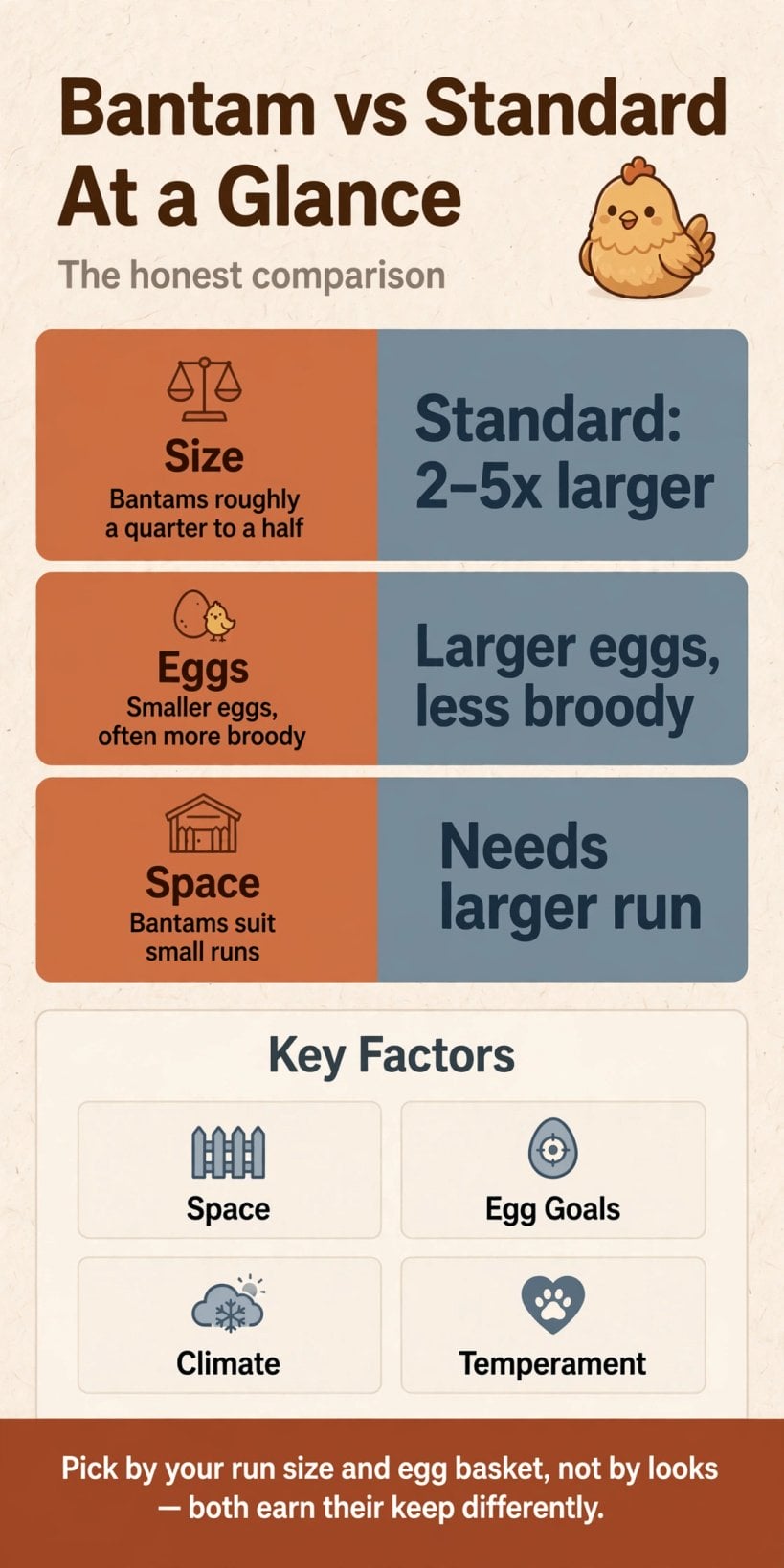
Pick by your run size and your egg basket, not by looks alone: both types earn their keep, just in different ways.
Read the size row first, because it drives everything else. A smaller bird eats less, needs less coop, treads lighter on the ground and is easier for a child or a new keeper to handle. Then read the eggs row, because it is where the standard bird takes its revenge: bigger eggs, and, in most laying breeds, fewer interruptions for broodiness. Neither row wins on its own. The right answer depends on which currency your household is short of: ground space or breakfast eggs.
The space and key factors rows are your tiebreakers. A small urban yard points one way, a farmhouse kitchen feeding a crowd points the other, and climate and temperament shade the choice further. The sections that follow take each factor in turn, honestly and in plain terms, so that by the verdict at the end you are choosing with your eyes open rather than discovering the trade-offs one surprise at a time across your first year of keeping birds.
2. Size and Weight: What a Quarter to a Half Really Looks Like
Stand the two side by side and the difference stops being abstract. A bantam hen beside a standard hen looks like the same bird viewed from further away: same proud carriage, same busy manner, simply built on a smaller frame. That smaller frame has practical consequences everywhere. Perches can sit lower, pop doors can be smaller, and a bird that needs catching for a health check is a far less daunting armful, which matters more than beginners expect when a bird is unwell and the light is fading.
Size also changes the feel of the flock at ground level. Bantams scratch with less force, so lawns, mulched beds and young pasture take visibly less damage from the same number of birds. They are lighter on muddy winter ground, too, churning a run less deeply than heavy standard breeds in the wet months. Where a mixed flock is planned, remember that size is also a social factor: gentle standard breeds usually live peaceably with bantams, but very large or boisterous birds can bully small ones at the feeder, so watch the first weeks of any mixed yard carefully.
Roosters deserve a special mention in any size discussion. A bantam cockerel delivers the full dawn chorus at somewhat reduced volume and with considerably less physical presence, which neighbours tend to appreciate, although no bantam keeper should promise a quiet bird. Hens are where the size difference is pure advantage for small properties: less bird to house, less bird to feed, and a flock that can be kept in gardens where standard hens would simply be too much animal for the ground available.
3. Eggs: Smaller Eggs and a Different Kind of Plenty
Here is the trade every bantam keeper makes with open eyes: the eggs are small. A bantam egg is a neat, perfectly formed miniature, and in the kitchen the working rule is simple, since two bantam eggs stand in happily for one large standard egg in most cooking and baking. Families who eat eggs daily by the half dozen may find the maths tiresome, while smaller households often discover that bantam eggs suit them beautifully, arriving in a steady flow that matches a modest appetite without a fridge full of gluts.
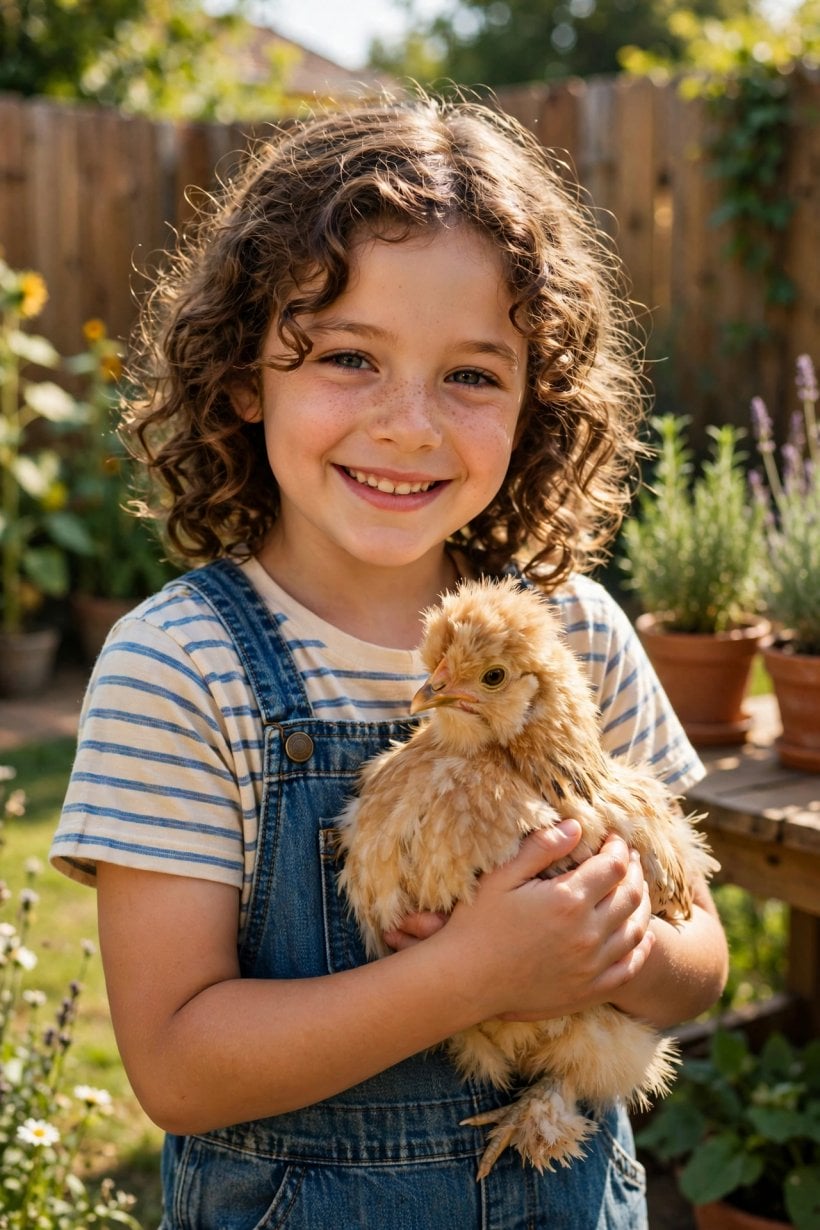
Laying rhythm differs as well as egg size. Many bantam breeds lay a respectable number of eggs through the season but pause more readily, and, as the comparison table warned, they are often more inclined to go broody, which stops laying altogether for a spell. Standard laying breeds, selected for generations for the egg basket, generally lay larger eggs with fewer interruptions. Neither pattern is a fault: it is a difference in purpose. The bantam was kept for charm, company and a modest basket; the modern standard layer was built for production.
Shell quality, flavour and nutrition, though, do not shrink with the bird. A bantam egg from a well-fed, free-ranging hen tastes every bit as rich as a standard egg from the same ground, because flavour follows diet and freshness, not dimensions. If your household sells eggs or feeds a crowd, standards win this section outright. If your pleasure is a basket of pretty little eggs from a flock that fits a cottage garden, the bantam’s offering is not a compromise at all. It is exactly the point, as keepers who collect names from chicken names for small and standard flocks alike will cheerfully tell you about their smallest hens.
4. Space: Coops, Runs and Happy Birds in Small Yards
Space is the factor that decides more of these contests than any other. Bantams suit small runs in a way standard birds simply cannot match: a modest coop and a compact run can house a cheerful little flock with room to scratch, dust-bathe and perch, where the same footprint given to standard hens would be cramped welfare and daily friction. For town gardens, allotments and courtyard farms, that difference is not a detail. It is the difference between keeping chickens and not keeping them.
Do not let the small frame fool you into skimping on quality, though. A bantam coop still needs dry bedding, draught-free ventilation, secure latches and a run that stays interesting, with perches, shelter and scattered ground to work over. Bantams are champion fliers for their size, many of them easily clearing fences that would hold a heavy standard breed, so netting or a covered run saves a great deal of neighbourly apology. Plan the housing once, plan it honestly, and both types reward you, which is the same lesson taught by quail coop ideas for small poultry spaces over in the quail yard.
Ground care is where the bantam quietly wins again. Lighter birds on the same rotation strip the turf less, compact the soil less and leave a run recoverable in weeks rather than months. Keepers working a tight rotation on a small plot, perhaps alongside the grazing plan in a half acre homestead layout that pairs pasture with garden beds, will find bantams slot into the system like they were designed for it, because in a sense they were: generations of cottage keepers bred them for exactly this ground.
5. Feed and Foraging: Smaller Birds, Smaller Bills
A smaller bird runs on a smaller ration, and across a year the feed savings of a bantam flock are real, if rarely life-changing. The daily handful per bird is less, the sack empties more slowly, and waste drops too, because little beaks scatter less from an open feeder. Feed type needs a moment’s thought: large pellets made for standard layers can be awkward for the smallest bantams, so many keepers choose a smaller pellet or crumble and check that every bird, including the shy one at the back, is getting its share at a feeder with room for all.
Foraging narrows the gap between the two types. Out on range, both sizes hunt the same insects, seeds and greens, and a bantam’s lighter appetite is partly offset by the energy it spends being a busy, active little bird. Kitchen scraps and garden extras suit both, offered in pieces small enough for little beaks. Water points matter more than feed points for the small flock: shallow drinkers a bantam chick cannot fall into, and grit and oyster shell in dishes at a height the smallest bird can actually reach.
Compare feed thinking across species and the pattern is the same one found in what geese eat on a grass-first homestead: the ration should follow the animal in front of you, not a habit borrowed from a different bird. Weigh feed use honestly for a month if the budget matters. Bantam keepers consistently use less per bird, standard keepers get more egg per sack, and both statements can be true at once, which is why this contest has no universal winner and why your own priorities have to call it.
6. Temperament and Handling: Flighty, Friendly or Family Bird
Temperament varies more by breed than by size, and any honest comparison has to say so first. Within each camp you will find calm birds and drama queens. That said, patterns do show up. Many bantam breeds are lively, quick and inclined to flight, delightful to watch and occasionally exasperating to catch. Others, the feather-footed and famously docile types, make superb pets that will sit in a lap like a cat. Standard breeds include placid dual-purpose birds that tolerate children and handling beautifully, alongside leggier laying types that prefer their humans at a respectful distance.
Handling is where the bantam’s size turns into a feature for families and new keepers. A small bird is simply less intimidating to lift, hold and examine, and children can learn proper poultry handling on a bird they can actually manage. Roosters, again, cut the other way: some bantam cockerels carry an outsized confidence that belies their frame, and a keeper choosing a male should ask about the breed’s reputation, not just the individual bird’s pretty face at the market.
Think about your own temperament while you are at it. If you want a flock that drifts around your feet while you garden, choose a docile breed in whichever size your space demands. If you want characters, colour and comedy in a small space, bantams deliver it by the bucketful. Quiet keepers of waterfowl make the same judgement in reverse when they read the Muscovy duck guide for quiet backyard waterfowl: the best bird is the one whose personality fits the household that has to live with it every single day.
7. Broodiness and Raising Chicks: The Bantam Superpower
If one section belongs to the bantams outright, it is this one. Many bantam hens are legendary mothers, going broody readily, sitting tight through the long weeks and raising chicks, ducklings and even the offspring of other birds with fierce, competent devotion. Generations of keepers have used bantam hens as living incubators, and a good bantam broody is worth her weight in success at hatching time. Standard hens of the modern laying breeds, selected away from motherhood, may not go broody in a whole lifetime, which suits the egg basket and frustrates the keeper who wants chicks the natural way.
Plan around the trait rather than fighting it. A bantam flock kept purely for eggs will lose laying days to broodiness each season, and the keeper needs a humane routine for breaking a broody spell when chicks are not wanted, alongside a welcome for it when they are. Eggs under a bantam should be sized sensibly: a small hen can cover only so much shell, and standard eggs under a tiny bird need the count kept modest so every egg stays warm at the edges of the nest.
Chicks of both sizes start life needing the same things: warmth, dryness, chick feed and safety. Bantam chicks are delightfully tiny and correspondingly more vulnerable to cold, draughts and the attentions of a farm cat, so brooder care needs the keeper’s best attention in the first days. The reward is a bird that matures quickly and cheaply. And if your plans involve mixing species or houses as the chicks grow, read the warnings in whether turkeys can live with chickens safely before new birds share ground with older stock in any yard.
8. Climate: Cold Snaps, Heat Waves and Feathered Feet
Small bodies lose heat faster than large ones, and cold-climate keepers should take the bantam’s size seriously in winter. The birds themselves are hardy within reason, but they need the basics done well: a dry, draught-free coop, deep litter, unfrozen water and enough feed on bitter days, because a small bird’s reserves are small too. Large combs on some bantam breeds can suffer in hard frost, so breed choice within the bantam camp matters in northern yards, just as it does among standard breeds.
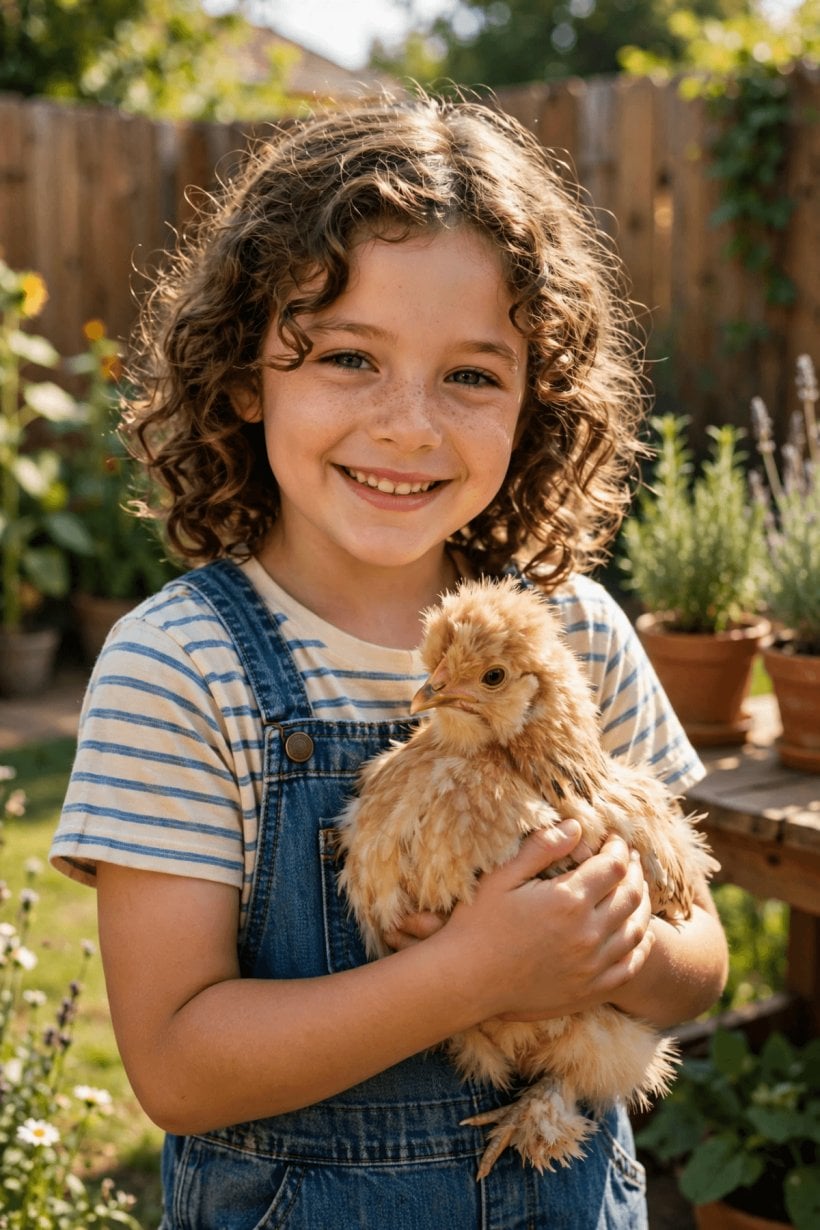
Heat flips the advantage. In hot summers the little bird sheds heat more easily and suffers less than a heavy standard breed panting in the shade, provided both have cool water, deep shade and air moving through the coop. Feather-footed bantams need one extra kindness in wet climates: mud balls on feathered feet are a real nuisance, so a dry, covered run area earns its cost for those breeds, while clean-legged bantams cope with ordinary winter ground as happily as any standard hen on the place.
The practical rule is to match bird to climate at purchase, not to fight climate all year afterwards. Northern smallholders do beautifully with hardy, small-combed bantam breeds in a snug coop. Southern keepers do beautifully with lighter standard layers or heat-tolerant bantams. Housing thinking transfers between species, too: the shelter principles in turkey coop and shelter ideas for a mixed poultry yard, ventilation without draughts, dry bedding and room to roost, protect a bantam in January exactly as well as they protect a turkey.
9. Breeds and Types: True Bantams and Miniature Versions
Not every small chicken arrived small by the same road. True bantams are naturally small breeds with no full-size counterpart, birds that were always this size and carry themselves like it. Alongside them sit the miniaturised versions of standard breeds, created by breeding down a familiar large fowl until a little copy stood in the show pen. Knowing which sort you are looking at helps you predict temperament, laying and hardiness, because a miniaturised layer often keeps a echo of its big sister’s habits, while a true bantam follows its own old breed character.
Variety is the bantam world’s great gift to the small keeper. Within a modest run you can keep colours, crests, feathered feet and personalities that a standard flock would need acres to display, which is why bantams dominate the show world and the cottage garden alike. Standard breeds answer with working variety: dedicated layers, true dual-purpose birds for eggs and table, and gentle giants for keepers who want a substantial bird. Both camps offer more choice than any one keeper needs, so decide your priorities first and let the breed catalogues argue afterwards.
Availability and cost of good stock vary locally, and the wise keeper buys from a breeder whose birds they can see, whatever the size. Ask what the line lays like, how it handles your climate and whether the hens go broody, and believe the answers of someone who keeps the breed over any catalogue description. A healthy, well-bred bird of the “wrong” camp will give you more pleasure and fewer vet calls than a poor bird of the right one, in bantam and standard yards alike across every season.
10. Who Should Pick Which: The Verdict
Time to call it, as this guide promised. Pick bantams if your ground is small, your household is modest at the egg box, and your pleasure in poultry is the birds themselves: characters in the garden, easy handling for children, light feet on precious turf and a feed bill that behaves. Pick bantams, too, if you dream of raising chicks under a hen, because no standard breed on the modern market will mother for you like a determined little bantam with a nest and a plan.
Pick standard chickens if eggs are a staple your kitchen plans around, if you have the ground to give them without a second thought, and if you want the option of a dual-purpose flock that lays well and finishes as a substantial table bird. Pick standards if broodiness would be a nuisance rather than a gift, and if your climate is severe enough that a bigger body’s reserves are worth more than a small bird’s economy. There is no shame in either answer, only in choosing against your own yard’s facts.
And remember the third option, which many happy keepers take: a mixed flock, planned properly. Docile standard hens for the egg basket, a few bantams for charm, chicks and company, feeders and perches arranged so the small birds eat in peace, and housing built to the larger bird’s needs with the smaller bird’s escapes in mind. Judged as a contest, size wins some rounds and eggs win others. Judged as a keeping decision, the verdict is simpler: the right chicken is the one whose size, eggs and space match the life you actually live.
Final Considerations
Measure your run, count your household’s eggs for a week, and be honest about which you would rather watch from the kitchen window. Small birds ask little ground and give character, motherhood and modest eggs in return. Large birds ask room and feed, and repay it in the basket. Choose by those facts, buy the best stock you can find, house them well from the first night, and whichever camp you land in, you will wonder why you waited so long to keep chickens at all.


0 Comments