
A few winters ago, I slept in a 19th-century Ohio dairy barn turned off-grid retreat. Snowflakes drifted through original hayloft openings now fitted with triple-pane glass, while a radiant floor heated reclaimed wood underfoot. That night it settled for me: converted barn homes are not renovations, they are time machines — agrarian roots on the outside, cutting-edge systems within, history and innovation thriving under one roof.
Converted Barn Homes: At a Glance
Converted barn homes take agricultural structures — old wooden barns, metal barns and pole barns — and rebuild them as full-time residences without erasing what made them worth saving. The work runs in a set order: prove the frame, satisfy the code office, wrap the shell in modern insulation and systems, then finish interiors that keep hand-hewn beams and weathered siding in view. Done well, a conversion salvages tons of material, holds heat like a modern build and keeps a silhouette no new subdivision can copy. This guide follows the original’s own reporting end to end: the revival’s drivers, the three barn types, the state-by-state rules, the design moves, the real budget bands and the finished homes that prove the model.
| The question | The answer |
|---|---|
| The structure | A wood, metal or pole barn, converted in place |
| The draw | Hand-hewn beams, weathered siding and wide open spans |
| The waste saved | 8+ tons of steel salvaged on one 30×40 metal pole barn |
| The budget range | $50k to $500k+, shell to turnkey |
| The used shell | $25k–$40k for a 30×40 metal barn, bought used |
| The systems | Insulation, electrical and plumbing at $45–75/sq.ft. |
| The finishes | $30–100/sq.ft., depending on material choices |
| The turnkey rate | $150–200/sq.ft. from a Connecticut builder |
| The window credit | Historic tax credits cover 20% of original window preservation |
| The heating win | Radiant floors; one Colorado family spends 30% less than forced air |
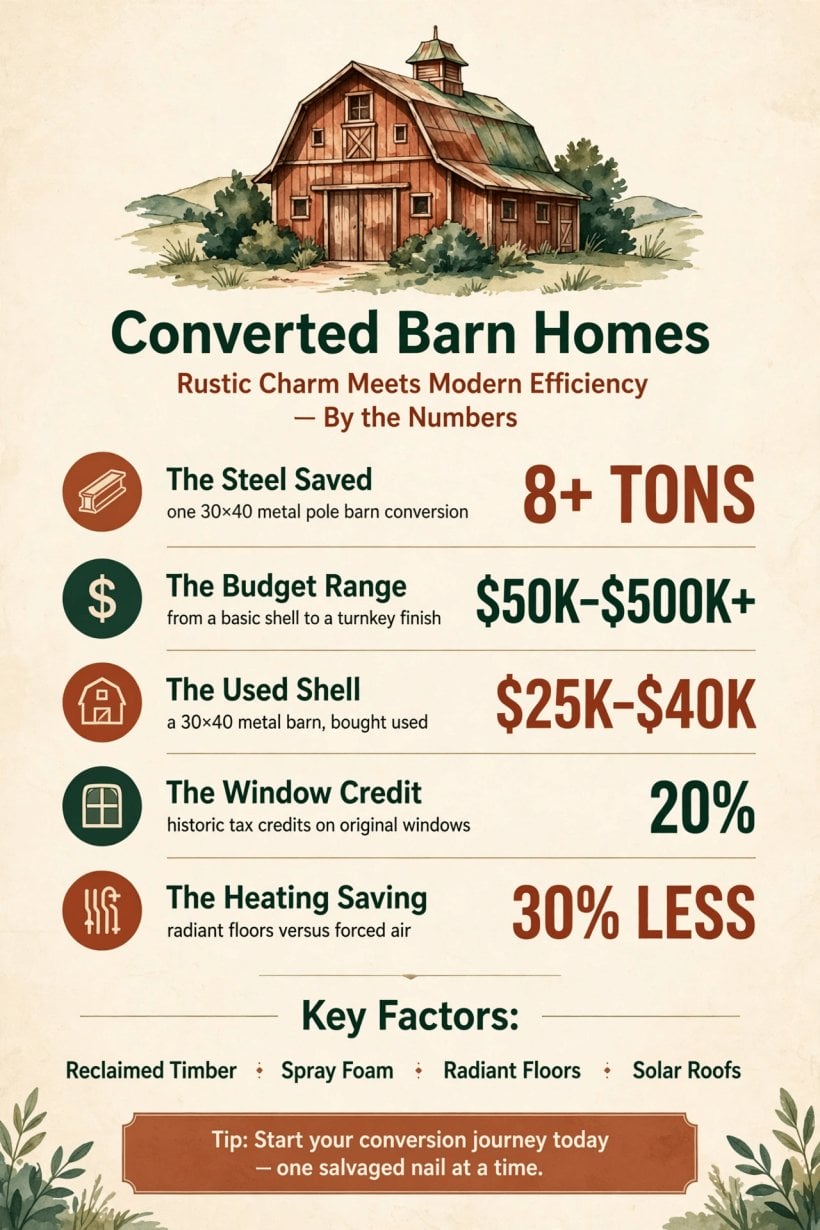
The conversion ledger in five numbers: what one metal barn keeps out of the waste stream, what the shell costs, and where the credits and savings sit.
1. The Barn Conversion Revival
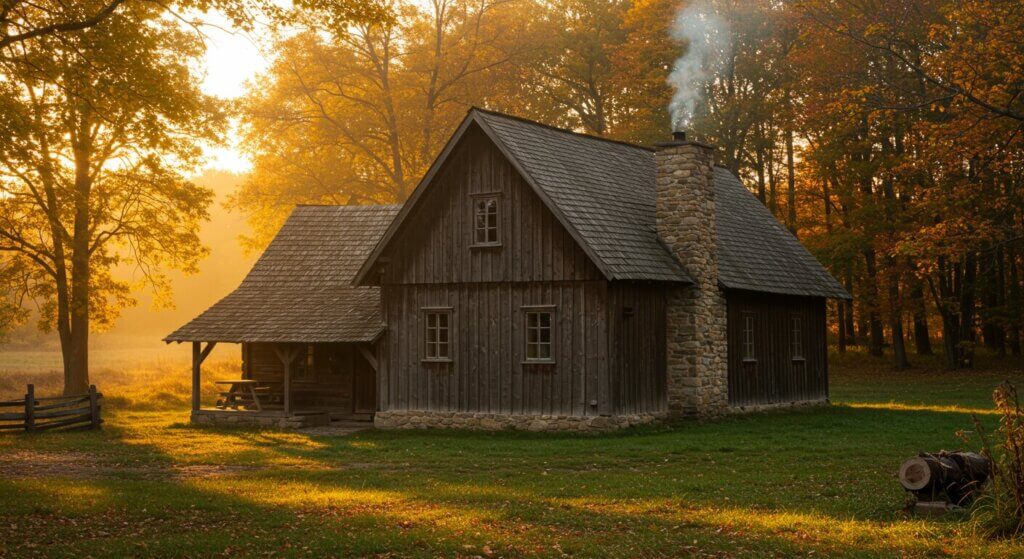
Barn conversions are surging globally, driven by nostalgia for craftsmanship and a hunger for sustainable living. Once symbols of rural labor, these structures now house remote workers, artists and families craving a connection to the land. The trend gained momentum in the 1970s, when UK heritage laws incentivized adaptive reuse and sparked projects from Yorkshire to California wine country — and what pulls people toward converted barn homes today is still the same pairing the revival began with: a building with a past, rebuilt for a lower-impact future.
Three drivers do most of the pulling. The first is eco-appeal: repurposing a barn slashes construction waste, and a single 30×40 metal pole barn conversion salvages 8+ tons of steel that a demolition would send to scrap. The same instinct drives other salvage-first housing — Earthship homes crafted as self-sustaining sanctuaries build whole walls from reclaimed material for exactly this reason. The second driver is the aura of authenticity: hand-hewn beams and weathered siding carry stories no new build can replicate, the same character that draws people to shepherd’s huts, the shepherd’s own tiny heritage dwelling. The third is zoning flexibility: rural zones often encourage barn conversions to preserve agricultural character, in a way restrictive urban codes rarely match.
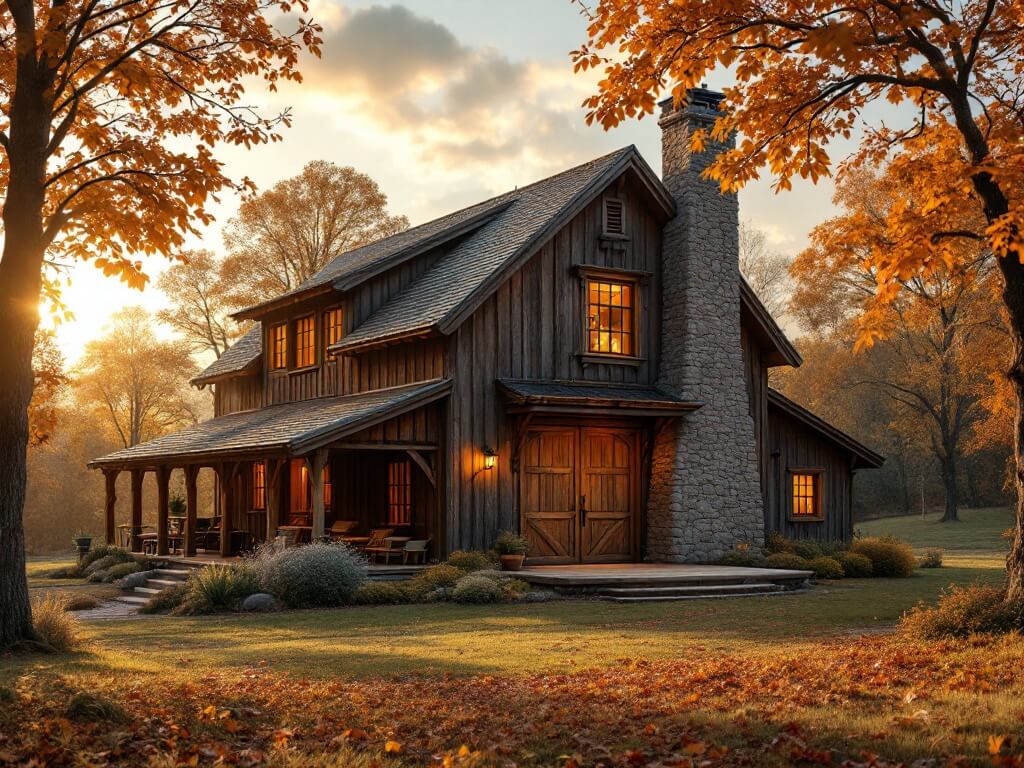
The fascination is not just architectural recycling. Transforming an agricultural structure into a residence answers a collective yearning to connect with simpler times while creating a character-filled living environment that stands apart from cookie-cutter developments — a home whose oldest beam predates the road it sits on.
2. Barn Types & Conversion Complexities
Not all barns are created equal. Each material — wood, metal, pole — carries unique quirks, and the honest survey of which type you actually own decides the budget, the inspection list and the design freedom that follows.
Old wooden barns offer timeless aesthetics and are abundant in New England and the Midwest. Their weakness is biological: rot, insect damage and structural weaknesses demand rigorous inspections before a single finish dollar is spent. A timber frame that passes inspection is the cheapest character money cannot buy; one that fails quietly becomes the most expensive line in the project.
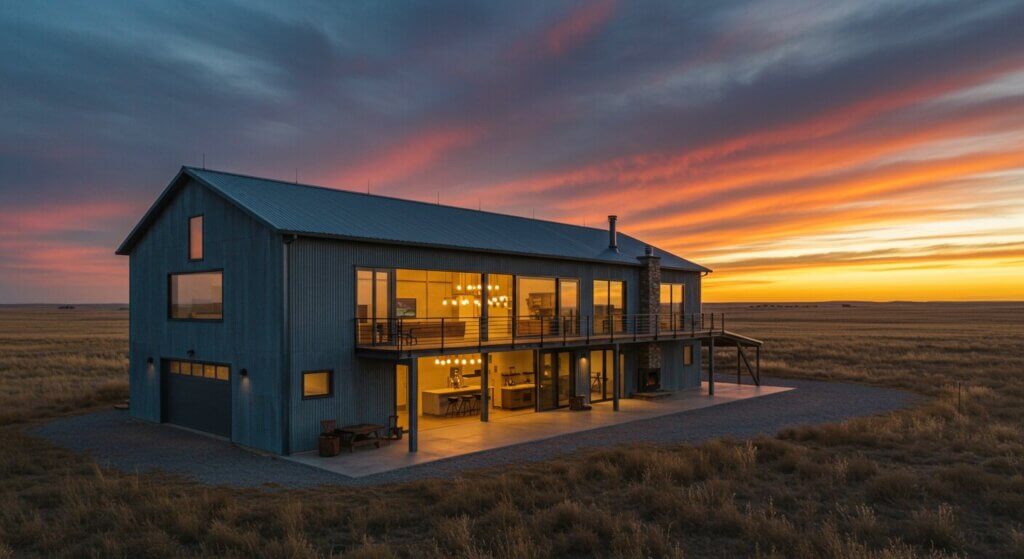
Metal barns are durable and low-maintenance, and are common in Texas and Colorado. Their stealthy foe is condensation inside steel structures, and the original’s own tip stands: insulate the interiors with spray foam to combat it. A metal shell also carries the salvage headline of this whole category — that 8+ tons of steel in a 30×40 footprint is structure, cladding and resale value in one.
Pole barns span vast spaces without load-bearing walls, which makes them popular for open-concept designs. Their pitfall is below ground: verify footing depths before trusting the span, because shallow posts destabilize over time. The wide, wall-free interior is the pole barn’s gift; the footings decide whether the gift lasts.
Whichever type stands on the land, the survey order never changes: frame first, skin second, finishes last. A wooden barn earns its conversion through inspection, a metal barn through its condensation plan, and a pole barn through its footings — three different first questions, but always a structural question before a decorative one.
3. Regional Considerations, State by State
Regional building codes and climate considerations dramatically impact conversion feasibility and approach — the same state-by-state patchwork that governs yurt living, its pros and its cons, applies here with different materials. In Texas, converted barn homes often highlight modifications for heat management, including strategic shading and passive cooling systems rarely seen in northern conversions. California barn conversions typically emphasize earthquake resilience and wildfire protection, while Wisconsin projects prioritize extreme weather insulation and snow load capacity.
State-specific historic preservation incentives also influence conversion economics. Connecticut offers substantial tax benefits for qualifying agricultural building preservation, which explains why converted barn home Connecticut builder directories run so deep. Ohio’s rural preservation programs likewise support the growing market for converted barns for sale in Ohio listings — state money following state heritage.
Local architectural traditions shape conversion aesthetics just as strongly. New Jersey barn conversions often retain formal colonial influences, evident in many properties there, while Colorado conversions frequently incorporate mountain lodge elements — distinctive regional expressions within the broader barn home category, each one reading as local rather than imported.
4. Legal and Zoning Considerations
Converting an agricultural building for residential use triggers complex regulatory requirements that vary dramatically between jurisdictions. Rural counties often provide more flexibility than suburban areas, though agricultural zoning may restrict residential conversion without a formal variance or zoning change. Before purchasing any barn for conversion, a thorough investigation of local regulations is essential — the barn is the easy part to fall for; the parcel’s paperwork decides whether the project exists at all.
Building code compliance presents particular challenges for historic structures. Many jurisdictions offer alternative compliance paths for historic buildings, allowing preservation of character-defining features while achieving equivalent safety through alternative means. These pathways often require working with specialized engineers and architects familiar with both historic structures and code negotiation — a team that speaks both languages, the beam’s and the inspector’s.
Septic and water considerations frequently determine conversion feasibility in rural settings. Many barns lack existing water and waste infrastructure, potentially requiring significant investment: one conversion in the original account required drilling a new well and installing an engineered septic system — expenses that significantly impacted the overall project budget but proved worthwhile for long-term independence. Price the invisible infrastructure before the visible charm, every time. A barn with a sound frame but no legal path to water and waste is a workshop with good light, not a home in waiting — the variance, the well and the septic permit are the real foundation documents of the entire conversion.
5. Design Inspiration: Tradition Meets Contemporary
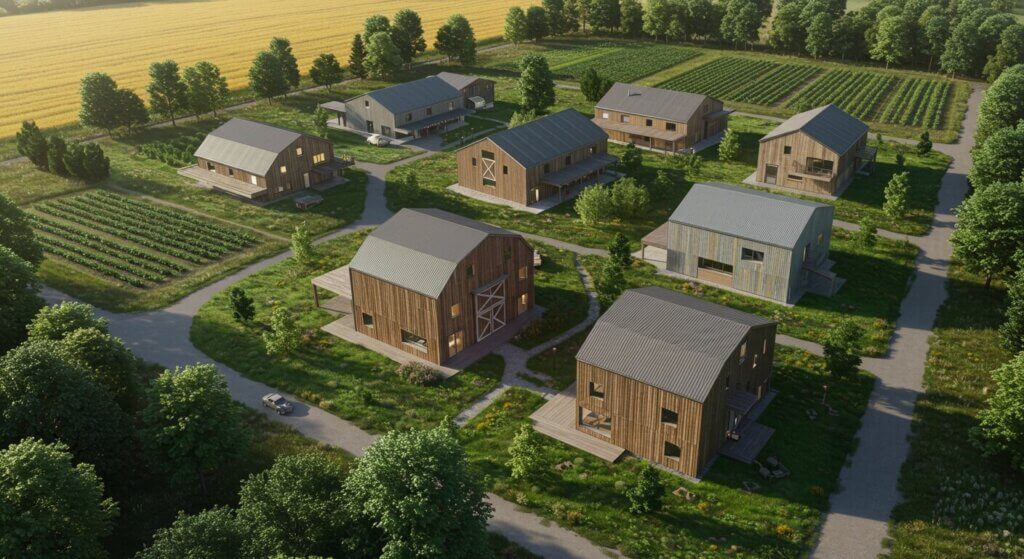
Blending modern comforts with historical authenticity defines the success of any barn conversion, and the design brief for converted barn homes is a balancing act: every modern layer should make the old fabric easier to read, not harder. Opting for energy-efficient windows and insulation delivers dramatic improvements, and integrating sustainable options such as rooftop solar panels or rainwater harvesting systems transforms barns into eco-havens without touching the silhouette.
Inside, design flexibility is practically limitless. Cozy loft bedrooms, spacious living rooms and combined dining-kitchen areas are easily achievable thanks to wide-open floor plans. Neutral palettes, minimalist decor and thoughtful lighting amplify barn interiors, ensuring both function and visual harmony — and the small-space discipline applies here too, as these DIY home decor hacks for refreshing a room on a budget show in miniature.
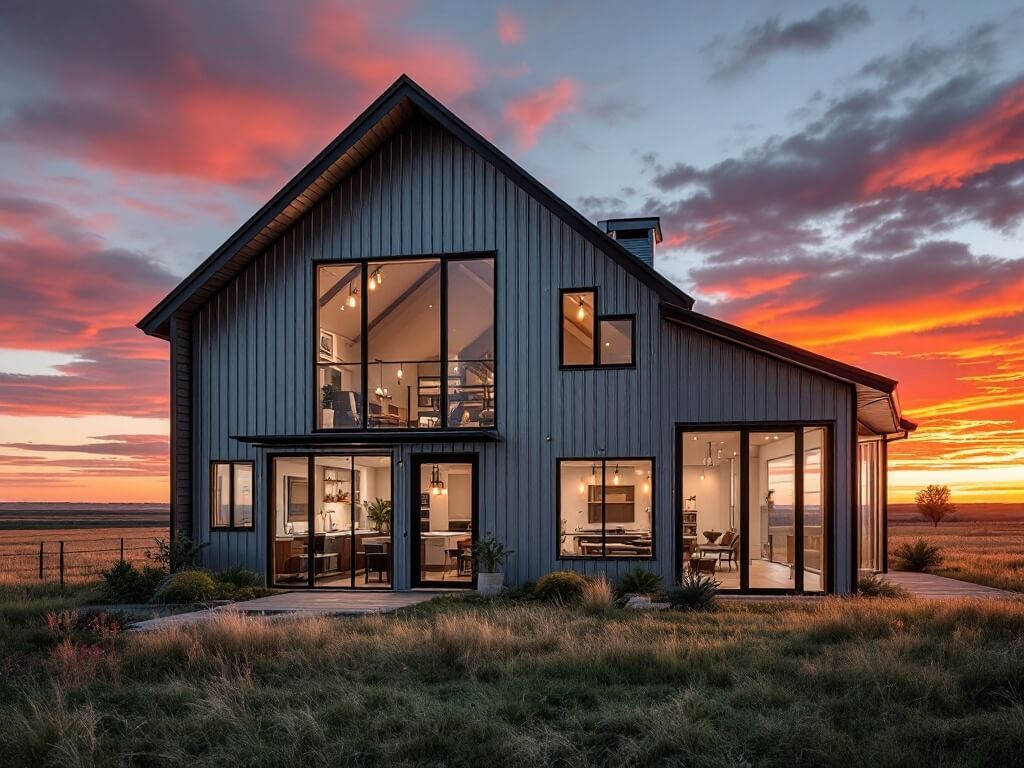
Where metal barns are concerned, exposing steel trusses or rustic metal sheets artfully on interior walls presents industrial charm that blends effortlessly with contemporary comfort. The structure becomes the decoration: no applied ornament competes with a truss that has carried a roof for decades.
6. Ceiling Strategies & Material Sourcing
Ceilings are where barn volume is won or lost. Exposed trusses add drama but eat vertical space; in a Michigan project, designers dropped sections of ceiling drywall between the rafters, embedding LED strips for ambient light without sacrificing height — a layered ceiling that keeps the trusses legible and the room lit.
Material sourcing follows the salvage logic of the whole build, and the benefits of sustainable building materials compound when the material is already on site. Reclaimed wood comes first: reuse the original siding for accent walls, keeping the building’s own weathering indoors. Steel accents come second: pair rusty corrugated panels with sleek concrete floors for industrial contrast. Every board and panel rescued from the shell is a purchase avoided and a story kept.
7. Energy Efficiency: Windows, Heating & Renewables
Windows are the first efficiency battleground, because the original openings are both the character and the leak. Historic tax credits cover 20% of restoration costs for original window preservation; for modern performance, install interior storm panels and keep the historic glass in place. The hayloft openings that once vented hay can end up fitted with triple-pane glass — the opening stays, the draft goes.
Heating rewards the same respect for the building’s physics. Radiant floors work wonders in drafty barns, warming the slab and the reclaimed wood above it instead of the roof void; a Colorado family spends 30% less on heating after ditching forced air. And once the envelope behaves, renewables size down to fit: knowing how much solar panels cost for a tiny house scales the same arithmetic up to a barn roof, where rooftop solar and rainwater harvesting complete the eco-haven the design section promised.
8. Budget Realities: From 50k to 500k+
Budget is where converted barn homes stop being a mood board and become a spreadsheet, and the original’s own breakdown for a 30×40 metal barn sets the bands. The shell runs 25k–40k used, or 60k–120k new. Insulation, electrical and plumbing price at 45–75 per square foot. Interior finishes run 30–100 per square foot, depending on material choices. Stack those bands honestly and the headline range — from 50k to 500k+ — stops looking dramatic and starts looking arithmetic.
DIY versus professional help divides along one line: skilled amateurs can handle demolition or finish work, but structural modifications belong to experts. A Connecticut builder charges 150–200 per square foot for turnkey conversions — the price of handing over the whole risk stack. Opting for DIY allows profound personalization and budget flexibility; nevertheless, assess your skillset keenly. A conversion means assessing structural integrity, replacing deteriorating beams, installing electrical circuits and integrating plumbing safely. Partnering with experienced contractors streamlines permitting complexities, structural safety assessments and professional architectural design — saving time, energy and peace of mind.
Funding options exist on both sides of the Atlantic. In the U.S., USDA Rural Development Loans support rural housing projects; in Scotland, Croft House Grants cover 40% of build costs. Neither was designed with a barn in mind, and both can be made to fit one — the paperwork is part of the build.
9. Real-Life Success Stories
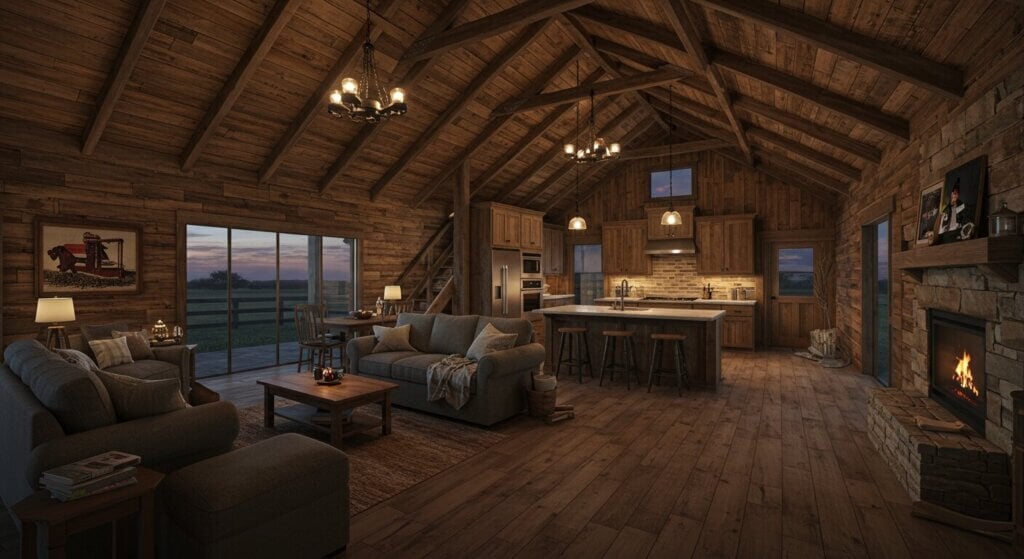
The proof sits in finished converted barn homes across America. One standout example is a magnificent pole barn home in rural Colorado, repurposed with impeccable craftsmanship: its open layout integrates high ceilings, bright interiors and energy-efficient construction, maintaining original rustic charm while embracing modern minimalism — the pole barn’s wall-free span doing exactly the work Section 2 promised.
Daily life inside these shells settles into its own rhythm — the loft bedroom, the combined kitchen-diner, the slow start under old beams — the same pleasure these tiny house morning routines describe at a smaller scale. In Lexington, Kentucky, converted barn properties have risen steadily, an attractive rural alternative to conventional suburban living. And in Montgomery County, Pennsylvania, barns seamlessly integrate sustainable features — solar roof shingles, eco-friendly composite decking and geothermal heating systems. These conversions narrate stories beyond practicality: they breathe new life, history and meaningful sustainability into forgotten farm structures.
10. The Future & the Market Outlook
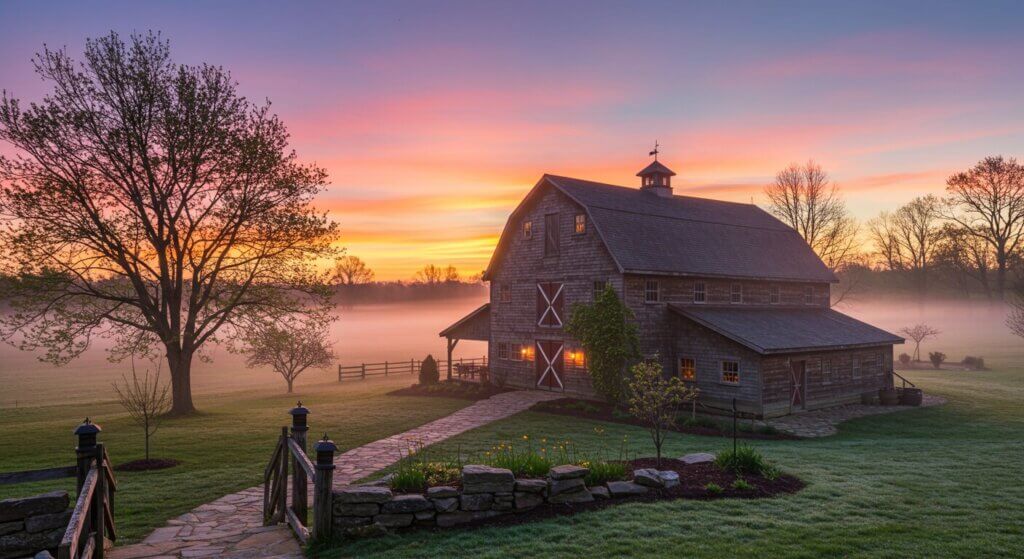
Barn conversion approaches keep evolving as technical capabilities advance. Modern scanning and documentation technologies now create precise digital models of existing structures, enabling more accurate planning and reducing costly field adjustments — particularly valuable for complex timber frames with irregular geometries that challenge conventional documentation. The factory-built end of housing evolves in parallel, as Honomobo’s modular container homes show; the barn answers with the opposite virtue, a shell that already exists.
Contemporary environmental priorities increasingly influence conversion strategies. Current projects typically emphasize energy efficiency, water conservation and sustainable material selection more prominently than earlier conversions focused on spatial qualities and aesthetic preservation — a shift that mirrors residential priorities everywhere. Even the tiny house movement influences barn conversion, ironically, despite representing the opposite end of the spatial spectrum: both movements reject the cookie-cutter default.
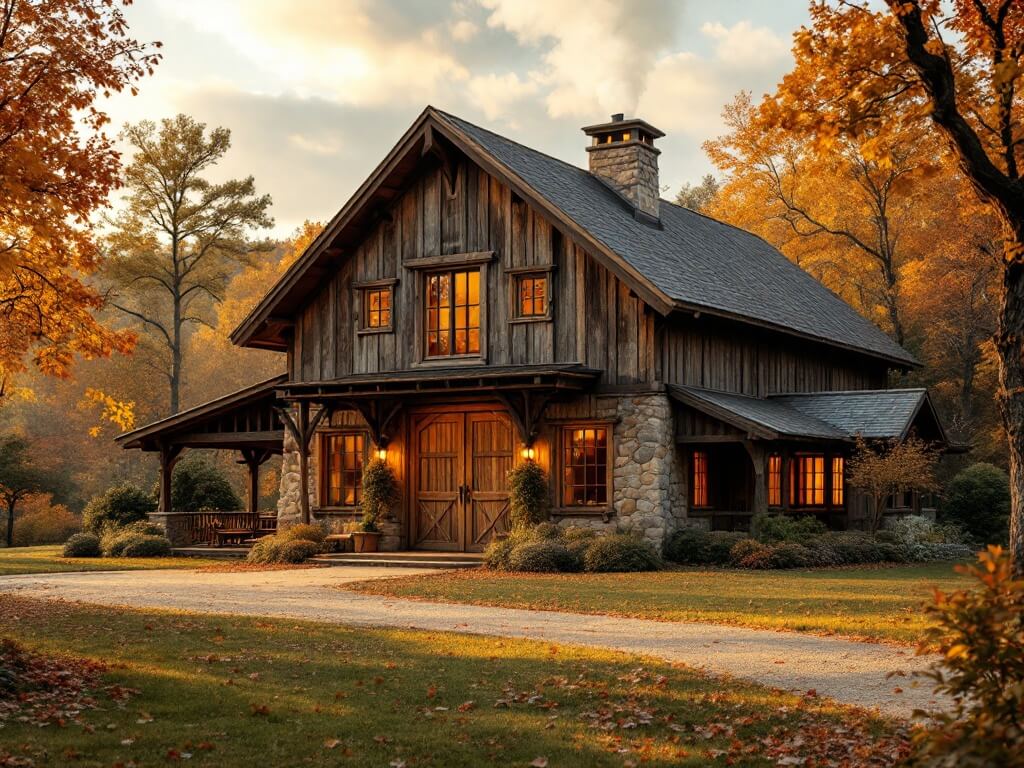
The market for barn conversions continues strengthening as buyers seek unique, character-filled living environments. Rural properties within commuting distance of urban centers — particularly those featuring successfully converted agricultural buildings — consistently outperform standard housing in both appreciation rates and buyer interest. A finished conversion is not a compromise purchase; in the right county it is the appreciating asset.
Final Considerations
Converted barn homes ask us to reimagine, rebuild and respect. They challenge cookie-cutter norms, offering spaces where century-old handprints on beams share walls with silent smart thermostats. Whether you are sketching plans for a small barn conversion or bidding on a timber-framed Scottish relic, remember that greatness does not require grand square footage. Prove the frame, respect the code office, salvage everything the building offers — and start your conversion journey today, one salvaged nail at a time.

2 Comments