

Engineered hardwood ranges can look almost identical in a showroom yet behave very differently at home. The difference lies in construction, wear layer, finish and warranty, not in the photograph on the box.
This hardwood flooring brands comparison explains what to check, fairly and in plain language, before you commit to any maker’s boards.
1. At a Glance: The Questions Every Buyer Should Ask
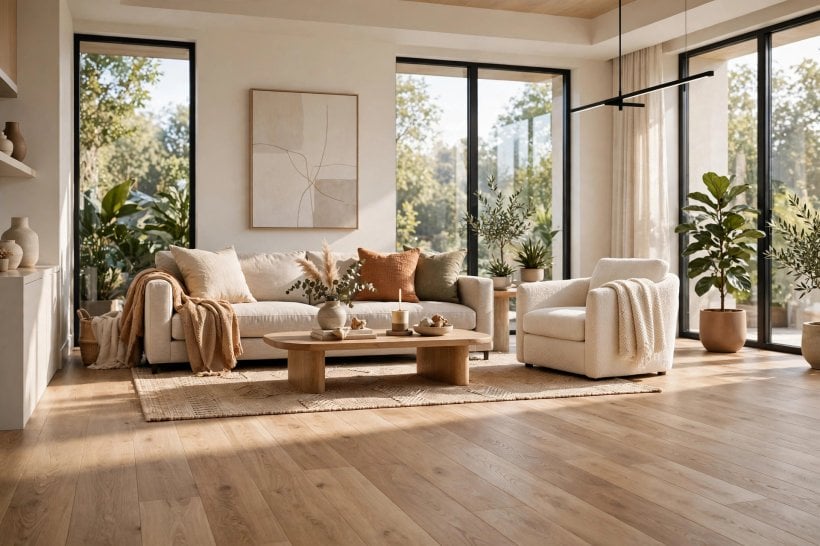
Engineered hardwood is real wood on top, bonded to layered or composite core material underneath. That simple idea is where agreement between makers ends. Cores, surface thickness, coatings and guarantees vary widely, which is why a careful hardwood flooring brands comparison always starts with questions rather than logos. Ask the same questions of every brand on your shortlist, write the answers down in the same order, and patterns will appear: which makers publish clear construction details, which explain their finish honestly, and which rely mainly on lifestyle photographs. Those patterns matter whether you are flooring one room in an apartment or planning floors alongside a whole build, as in our guide to how to build your own tiny house, where every material choice has to earn its space and budget.
| Question | What a good answer sounds like |
|---|---|
| What is the board made of? | A clear description of the top wood layer and the core beneath it, not just a species name and a photograph. |
| How thick is the wear layer? | A stated thickness for the real-wood surface, explained in relation to whether the floor can be refinished later. |
| How is it finished? | The finish type named plainly, with honest guidance on sheen, maintenance and how repairs are handled. |
| What does the warranty actually cover? | Terms that separate structural promises from finish wear, and state the conditions that keep the cover valid. |
| Where can it be installed? | Clear guidance on rooms, subfloors and moisture conditions the maker does and does not approve for that range. |
| How do I verify all this? | Datasheets, installation guides and warranty documents you can read before buying, not only after delivery. |
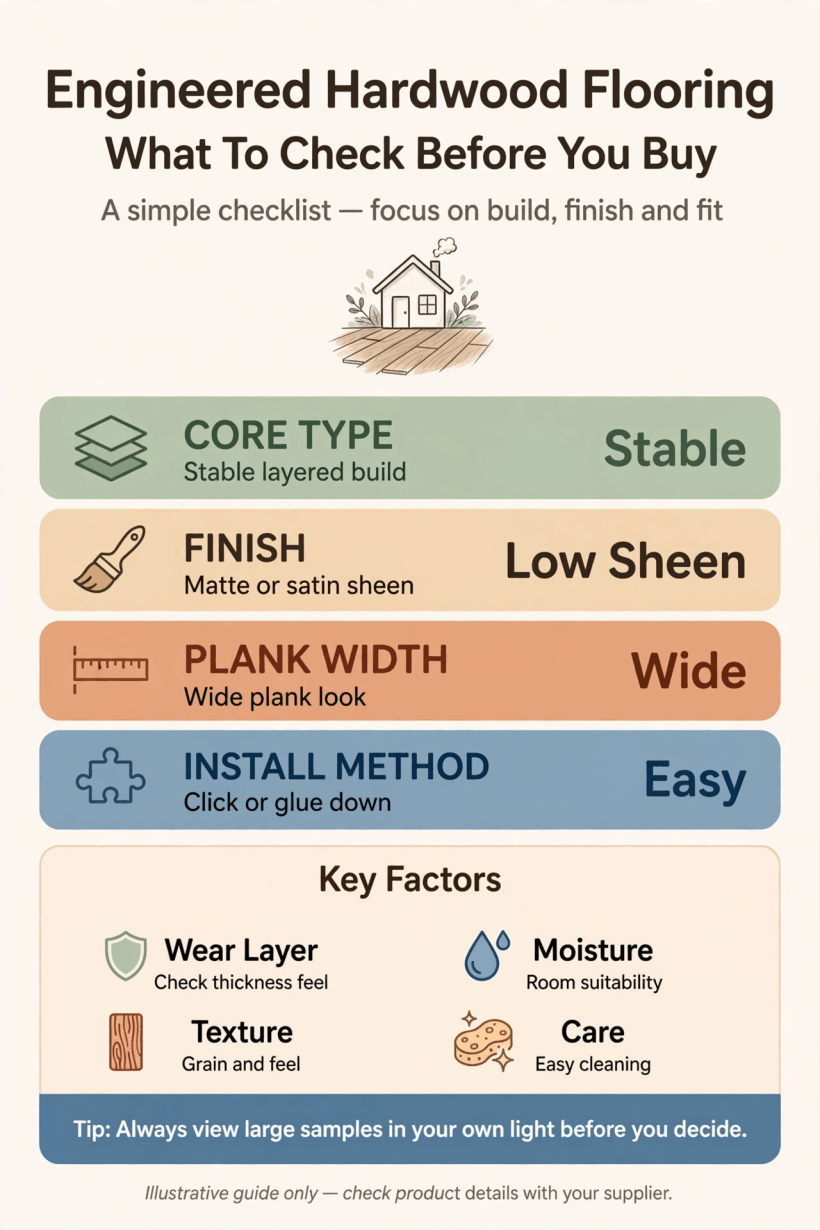
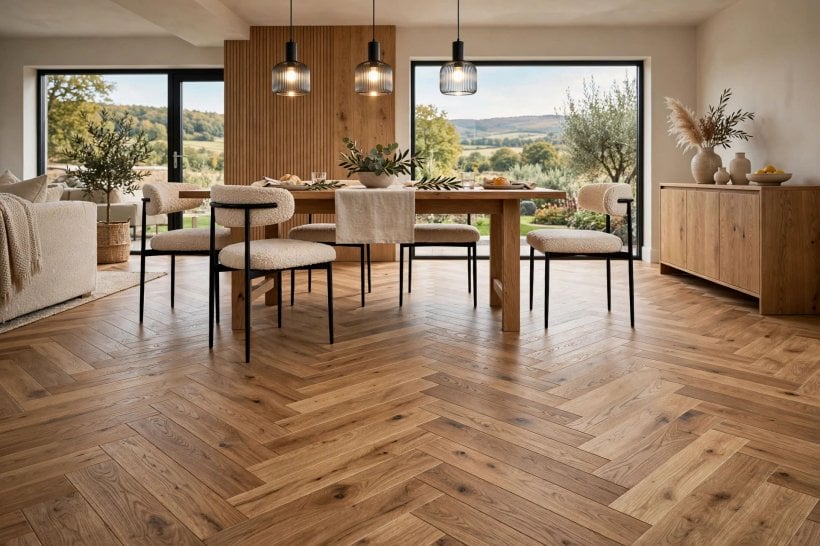
A quick visual checklist of construction, wear layer, finish and warranty points to compare before you buy.
2. Construction: Plywood, Layered and Fibreboard Cores
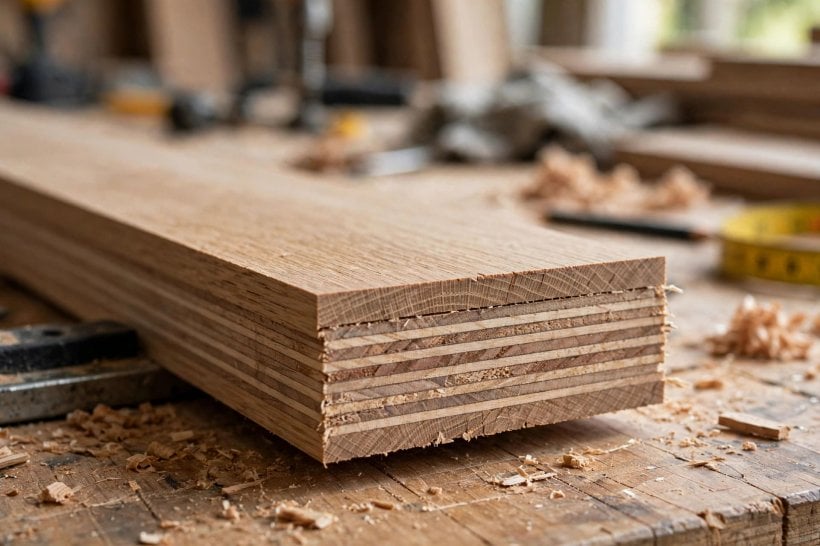
Most engineered boards use one of three broad constructions. Cross-layered plywood cores stack thin wood layers in alternating directions, which helps boards resist warping when humidity changes. Three-layer boards use a solid wood top and bottom with a core of wood strips, a traditional European approach. High-density fibreboard cores aim for a dense, uniform base that can suit click-together formats. None of these is automatically best: quality within each type varies, and the making, glues and quality control matter as much as the category name.
When you compare ranges, look at how a maker describes its core. Brands that explain layer arrangement, sourcing and stability testing in plain terms are easier to trust than brands that hide behind a single marketing word. Turn a sample over, look at the edge profile, and check that the layers are even, well bonded and free of gaps. In compact homes, where floors run continuously through living and sleeping areas, that stability is especially valuable, as the layouts in our tiny house kitchen design guide show, with one floor often serving cooking, dining and relaxing zones at once.
3. The Wear Layer: Thickness, Species and Refinishing
The wear layer is the real-wood surface you see, walk on and, one day, may want to refresh. As a general principle, a thicker wear layer gives more scope for future sanding and refinishing, while a very thin surface layer should be treated as a finish you maintain rather than a floor you can repeatedly renew. Makers do not all describe this layer in the same way, so compare stated thickness like for like and ask directly whether the range is sold as refinishable, and if so, how the maker expects that work to be done.
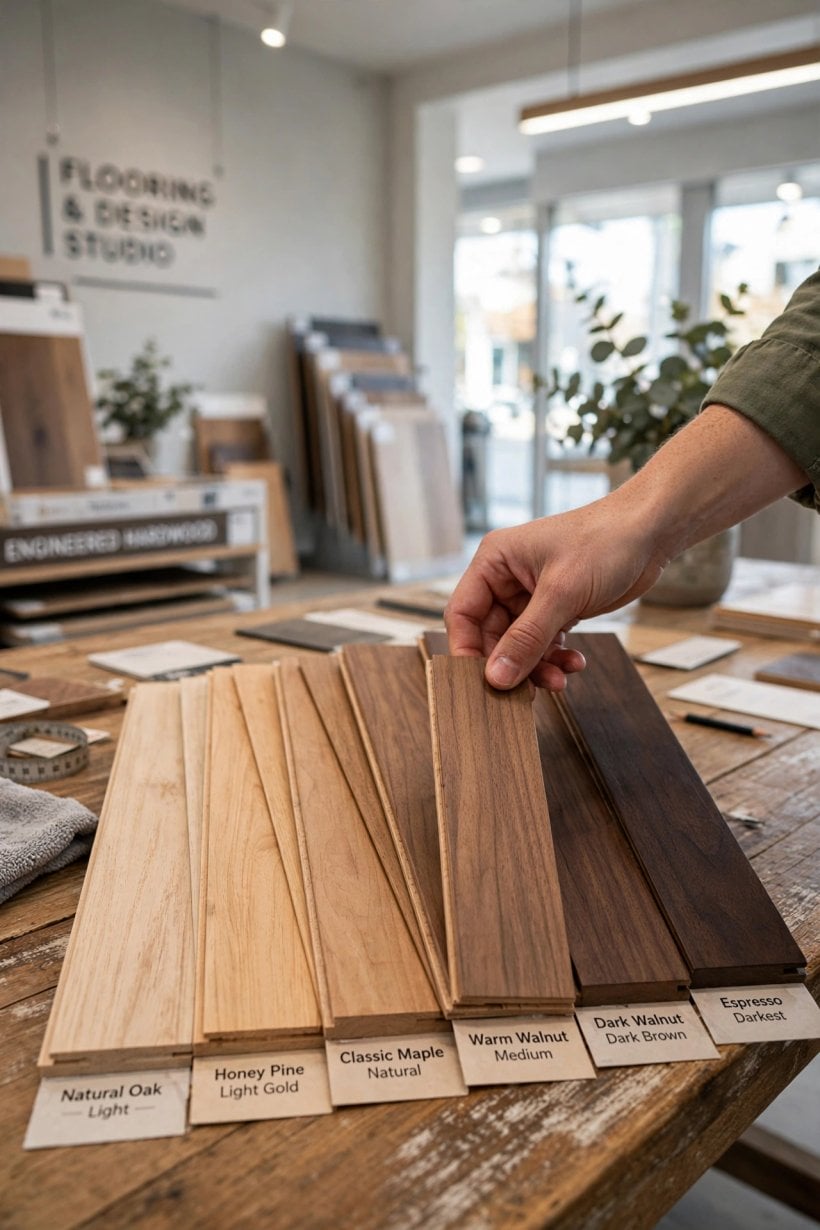
Species choice matters too, for tone and character as much as hardness. Oak dominates many ranges because it takes stains and finishes evenly and hides everyday marks kindly. Walnut offers a deeper, richer tone; hickory brings strong grain variation that can disguise busy family life. Ask to see each species in a large sample, not a swatch, because grain and colour vary across boards. Also ask how the maker grades its wood: clearer grades look calm and formal, while more characterful grades show knots and variation that suit relaxed rooms. Neither is better; they simply create different rooms, and honest brands show both plainly.
4. Finishes Compared: Lacquer, Oil and Factory Coatings
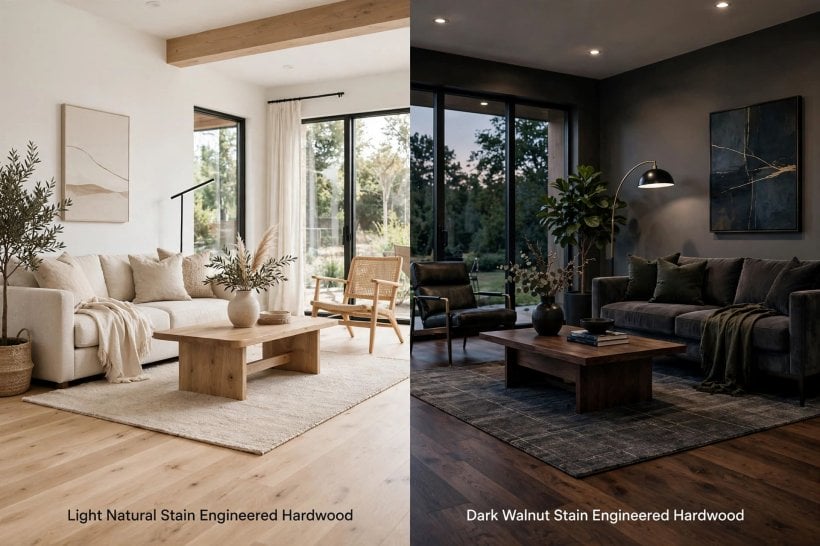
Finish decides how your floor feels underfoot, how it reflects light and how you will care for it. Lacquered or UV-cured factory finishes form a protective surface layer: they are popular for busy households because everyday care is usually straightforward, and the sheen level, from matt to glossier, changes how marks and daylight show. Oiled finishes soak into the wood surface rather than sitting on top, giving a more natural, low-sheen look; they typically ask for periodic re-oiling, and small local repairs can often be blended in rather than redoing a whole room.
Brushed, matt and textured finishes deserve attention too. A lightly brushed surface can make grain feel tactile and can be forgiving of small scuffs, while very smooth, high-sheen finishes tend to show dust and scratches more readily. What matters is that the brand names its finish system clearly, publishes care guidance for it and sells or specifies the right cleaning products. Be cautious with any range whose finish is described only with adjectives. Ask what it is, how it is maintained, what happens when it is damaged in one small area, and whether a professional can recoat or refinish it later. A fair answer to those four questions tells you more than a showroom shine.

5. European Wide-Plank Specialists
Some of the best-known engineered ranges come from European makers such as Kährs of Sweden and Boen, alongside British names such as Ted Todd, which tend to lead with wide planks, long lengths and calm, design-led colour palettes. Their ranges typically emphasise layered construction traditions, a wide choice of oak tones and finishes that favour a natural, matt appearance. For buyers, the appeal is often coherence: boards, stair pieces and trims designed to work together, and collections presented by look rather than by technical tier.
Judge these ranges on the same checks as any other: stated wear layer, the exact finish system on the board you like, and whether the plank sizes suit your room without excessive waste. Wide planks look wonderful in larger, open rooms, but in a small bedroom the same board can feel oversized, so check proportions at home with samples laid across the floor. Also confirm how each maker supports installation in your region, from approved installers to written fitting guides, because a premium board fitted against instructions can lose warranty protection just as easily as a budget one. European styling carries real appeal; your job is to verify that the specification beneath the styling is equally strong.
6. Large North American Ranges
North American flooring is dominated by large makers whose engineered lines sit alongside their solid wood and laminate ranges. Names many buyers will meet include Mohawk, Shaw Floors, Armstrong Flooring and Bruce, each offering broad catalogues at several price levels, sold through wide retail networks. The strength of these ranges is usually choice and availability: many species, colours and formats, with matching accessories and plenty of local stockists where you can see boards in person and ask questions.
The fair way to judge a large catalogue is tier by tier, not brand by brand. Within one maker’s range, an entry-level line and a flagship line can differ greatly in core, wear layer and finish, so always compare the specific collection name, not the logo alone. Ask the retailer to show you the datasheet for the exact board you are considering and to confirm which warranty document belongs to that tier. Broad ranges can also be helpful for phased projects, because reordering the same collection later may be easier than with a small batch-made line. If you are budgeting a whole home, that continuity matters, much as it does in the phased approach described in how to make a tiny house for cheap, where availability and reordering shape real-world costs.
7. Premium, Boutique and Regional Makers
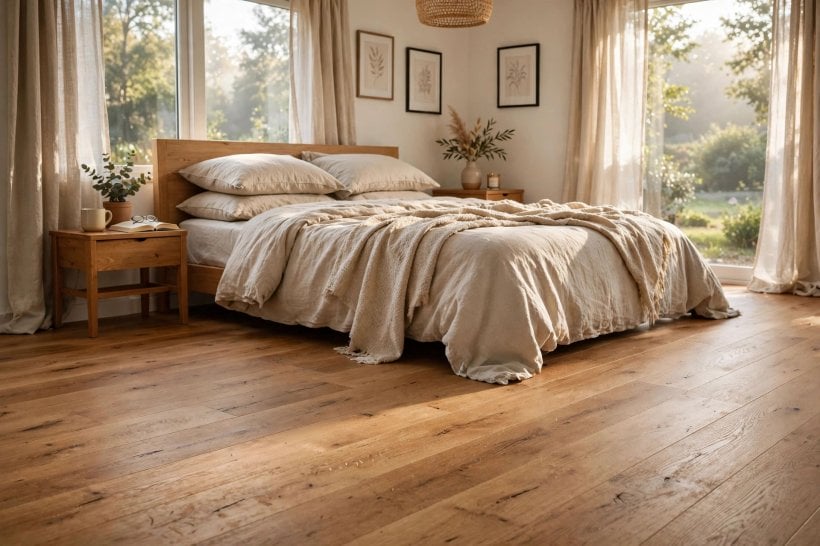
At the premium end, makers such as Mirage and Mercier in Canada, along with smaller regional workshops and specialist importers, compete on finish quality, grading care and distinctive colours rather than catalogue size. Their ranges often present carefully sorted grades, refined surface treatments and a strong story about where the wood is sourced and how the boards are made. For design-led projects, that attention can be visible in consistency between boards and in subtle, well-judged tones that are hard to find in mass ranges.
Smaller makers ask different questions of you. Lead times may be longer, minimum orders may apply, and samples may be fewer, so plan earlier and order with a sensible allowance for waste and future repairs. Ask how long the collection has been sold, whether the same colour and format are likely to remain available, and who supports the warranty in your area. None of this is a reason to avoid boutique ranges; it is simply the trade you make for character and consistency. Keep a few spare boards from your batch stored safely after fitting. That simple habit protects any floor, from any maker, against the day a leak, a dropped tool or a moved wall leaves one damaged patch.
8. Warranty Terms: Reading the Small Print Fairly
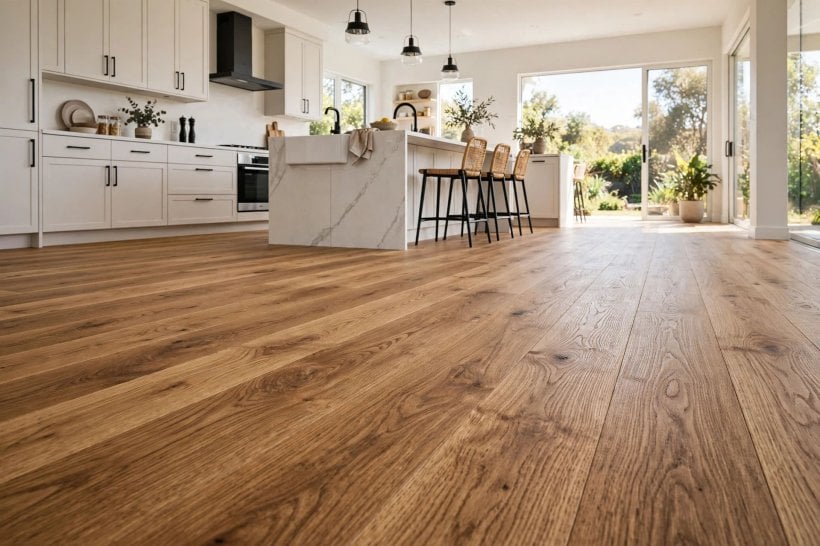
Warranties sound simple in headlines and complicated in documents, so compare the documents, not the headlines. Most engineered wood warranties separate at least two ideas: a structural promise about the board’s construction, and a finish promise about the surface coating under normal home use. Each comes with conditions, and those conditions are where fair comparison lives. Look for what the maker requires of installation, including subfloor preparation and moisture checks, what it says about approved rooms and environments, and what care products or routines it expects you to follow.
Also check what is excluded, in plain terms: damage from water events, pet claws, stiletto heels, grit, sunlight change and incorrect cleaning are commonly treated differently from manufacturing defects. Ask who handles a claim, what evidence is needed, and whether the remedy is repair, replacement boards or a proportionate refund. Keep your invoice, batch details, fitting records and photographs somewhere safe. A warranty is not a quality score on its own, because a long promise with strict conditions may protect you less than a shorter, clearer one. Judge brands by how readable, balanced and available their terms are before purchase; makers confident in their boards rarely hide the paperwork.
9. Samples, Batches and Installation Guidance
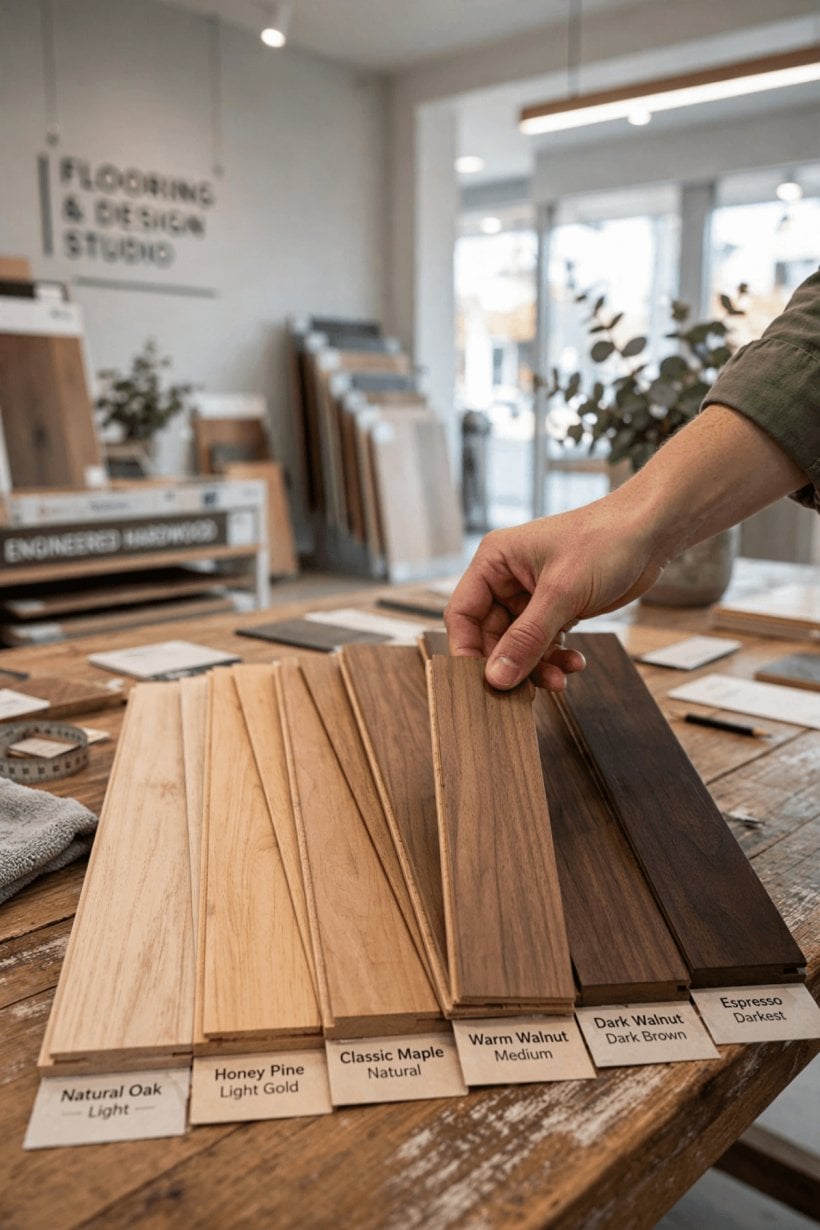
More disappointment comes from samples and fitting than from brands themselves. A small sample shows tone, not variation, so borrow or buy the largest sample you can, ideally more than one board, and live with it in the room’s real light for a few days. Wood is a natural material, so expect variation between boards and between batches; ask how the maker grades that variation and whether you can view the actual batch or a representative set of boards before fitting day. Open boxes on delivery, check for damage and consistency, and agree with your installer who decides whether an unusual board is used in a quiet corner or set aside.
Installation guidance is the final verification. Every range should come with written instructions covering subfloor standards, acclimatisation, expansion gaps, fixing or floating methods and underlay where relevant. If a brand cannot supply clear guidance, treat that as a genuine warning sign, whatever the showroom says. Good guidance also protects the calm, finished look you are paying for in rooms like those in our small living room interior design ideas and small bedroom interior design ideas, where one continuous, well-fitted floor visually enlarges the whole space. Keep the fitting guide with your warranty papers, because the two documents work together if a question ever arises.
10. Who Should Pick Which: The Verdict
So, who should pick which? Choose a European wide-plank specialist if your priority is a calm, design-led look in a larger or open-plan room, you love long, wide oak boards, and you are willing to verify wear layer and finish details carefully before paying a premium for the styling. Choose a large North American range if you value wide local availability, many tiers and colours under one roof, straightforward reordering and retailer support, and compare its collections tier by tier rather than trusting the logo alone. Choose a premium or regional maker if finish refinement, grading consistency and a distinctive colour matter most, you can plan around lead times, and you will keep spare boards from your own batch.
Whichever route you take, the deciding factors should be the same: an honestly described core, a wear layer suited to how long you plan to stay, a finish you understand how to maintain, and warranty documents you have actually read. A family with dogs in a busy kitchen-diner may fairly choose a forgiving, matt, textured board from a mainstream range, while a quiet apartment for two might justify a boutique oiled board that asks a little more care. There is no single winner for every home, and any review that claims otherwise is selling something. Match the board to your rooms, habits and plans, and verify before you buy.
Final Considerations
Bring the comparison home, literally: samples on your floor, documents on your table and the same five questions asked of every brand. Judge construction, wear layer, finish and warranty in that order, and let looks choose only between boards that pass those checks. Do that, and whichever maker you choose, you will know why you chose it, how to care for it and what to expect from it for years.



0 Comments