

While solar panels sleep at night and wind turbines wait for a breeze, a creek just keeps flowing. A small stream on your land can generate steady, round-the-clock electricity that puts the other renewables to shame — and most landowners walk past it every day. This guide shows how to measure your water, match a turbine to it, and put the creek on the payroll.
1. Micro-Hydro Power Systems at a Glance
Micro-hydro power systems turn the energy of falling water into the homestead’s baseload: the power that is simply there, at 3 AM as much as at noon, because a stream does not keep office hours. Everything about the technology follows from one multiplication — head times flow — and one discipline: measuring both honestly before spending anything. The table below gathers the whole system in one place; the sections after it take each layer apart in turn.
| Attribute | Detail |
|---|---|
| The Formula | Power = head × flow × 0.18 — head in feet, flow in gallons per minute, the answer in watts |
| The Worked Example | 20 ft of head × 50 gpm × 0.18 = 180W continuous — 4.3 kWh a day, the homestead’s baseload |
| The Head | The vertical drop of the water; 10 ft is the minimum for micro-hydro |
| The Flow | The volume in gpm — measured with a 5-gallon bucket and a stopwatch, at the dry-season low |
| The Penstock Run | The pipe from intake to turbine runs 100–500 ft; friction along it is the hidden cost |
| The Turbines | Pelton for 50+ ft of head, Turgo for 20–50 ft, crossflow for 5–20 ft, Archimedes screw for 3–10 ft |
| The Turbine + Generator | $1,000–5,000 — permanent-magnet, matched to the site’s head and flow |
| The System Costs | DIY at 100–500W runs $2,000–6,000; a professional 1–5 kW build runs $10,000–30,000 |
| The Lifetime Cost | $0.05–0.10 per kWh across the system’s life, with payback in 5–10 years |
| The Maintenance | A 10-minute seasonal intake clear; bearings greased annually and replaced at 5 years |
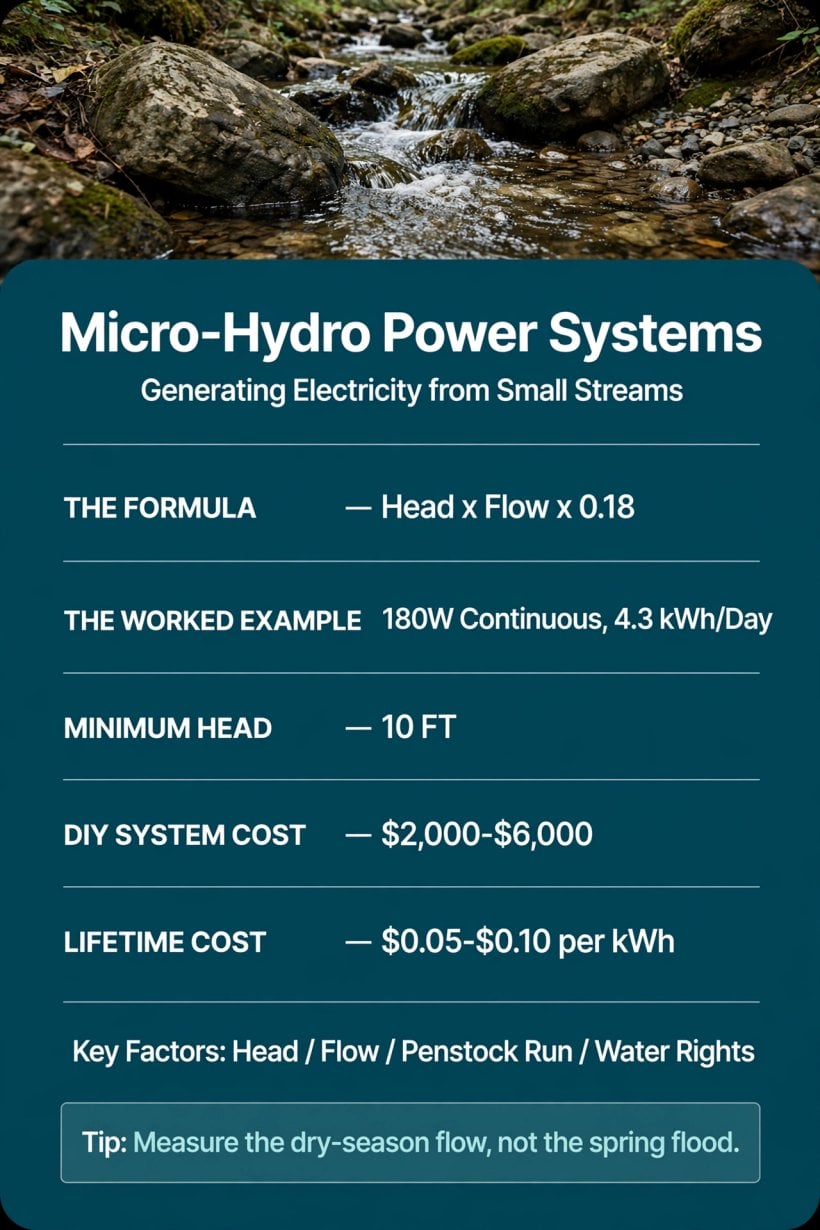
One multiplication — head times flow times 0.18 — and a stream becomes 180 watts around the clock: the whole system on one card.
Read the table as a funnel. The formula at the top is generous — almost any falling water produces something — but each row below it applies a discipline: measure the head properly, time the flow at its seasonal worst, walk the penstock line before pricing the pipe, and only then choose the turbine the site calls for. Honour the disciplines and the last rows — lifetime cost and payback — become the most believable numbers in off-grid power.
2. The Physics: Head × Flow
Every hydro site in the world is priced by the same two numbers. Head is the vertical drop — the height the water falls between where you take it in and where the turbine sits. Flow is the volume moving past a point, measured in gallons per minute. Multiply them, apply the constant, and you have the site: power equals head in feet times flow in gallons per minute times 0.18, and the answer is watts. The original’s worked example makes it concrete — 20 feet of head times 50 gallons a minute times 0.18 gives 180 watts — and the second half of that sentence is what separates hydro from every other renewable: those 180 watts are continuous. They arrive all night, in the rain, under cloud, adding up to 4.3 kilowatt-hours a day from a modest creek. That is the baseload, the floor of power underneath everything else the homestead runs.
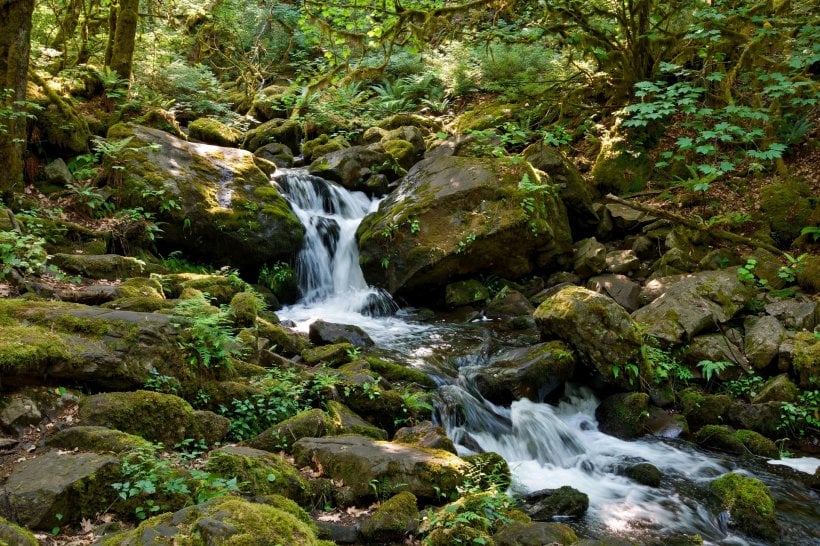
The two factors are not equal in character, and the difference shapes every design decision that follows. Head is the mightier lever: it is fixed by the land, it does not change with the weather, and doubling it doubles the power from exactly the same water — which is why the original treats 10 feet as the minimum worth building on, and why a site with modest flow but real drop can outperform a bigger, flatter stream. Flow is the seasonal factor: it swells with spring rain and shrinks in the dry months, so the flow you design around must be the measured low flow, not the impressive one. That asymmetry is also what makes hydro the natural partner rather than the rival of the other renewables, a comparison worked through in solar versus wind power for the homestead: the sun keeps a schedule, the wind keeps a mood, and the creek, within its season, just keeps its word.
3. Site Assessment: Do You Have It?
Assessment is four measurements, and none requires an engineer. The head comes first, and it is surveyed, not guessed: a transit if you have one, or the hose-level method — a water-filled hose run down the slope, its two ends reading the true vertical difference no matter how the ground rolls between them. Eyeballing a hillside overestimates head with remarkable consistency, and since head multiplies everything, an honest survey is the cheapest accuracy in the project. The flow comes second, and its instrument is humbler: a 5-gallon bucket and a stopwatch. Divert the stream briefly through a spout, time the fill, and the arithmetic gives gallons per minute directly. Repeat it across a dry spell, because the number that matters is the dry-season flow — the stream at its least generous is the stream you are actually buying.
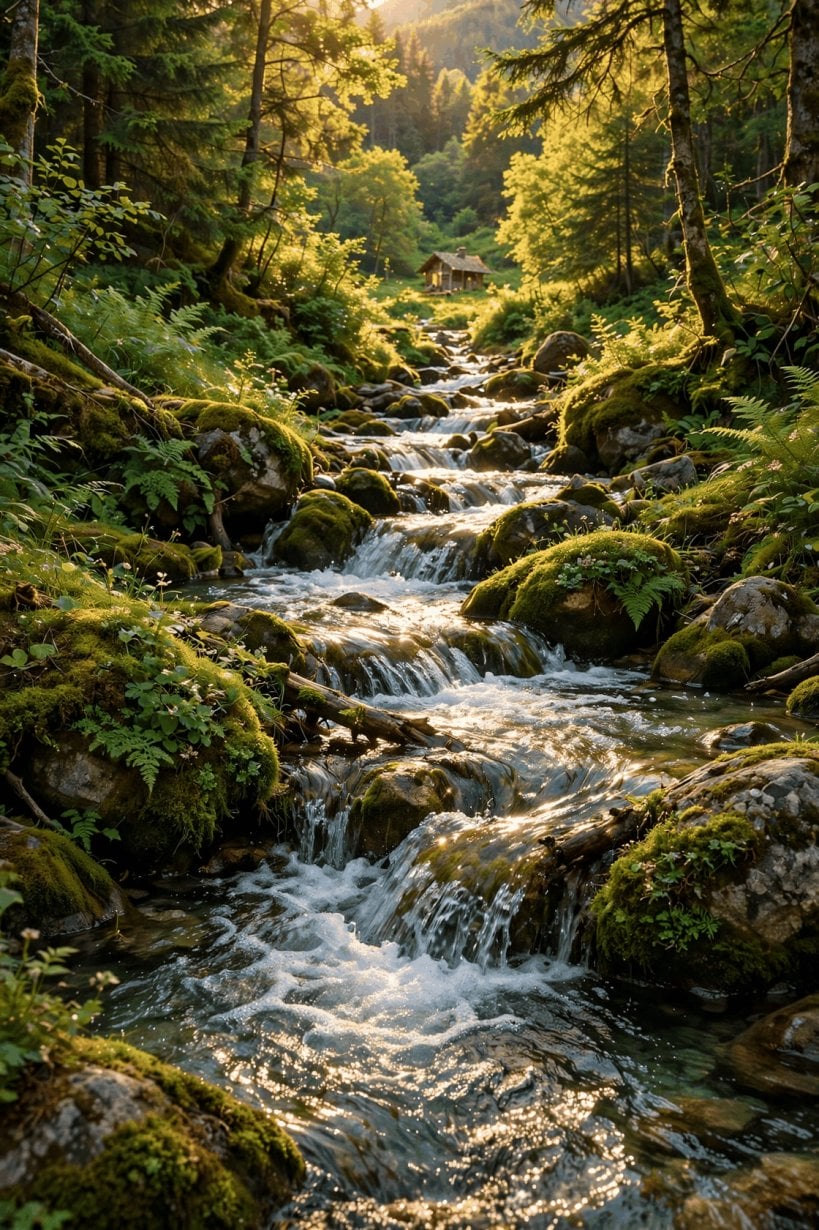
The third measurement is distance: the penstock run, the line the pipe will travel from intake to turbine. On real land that run is 100 to 500 feet, and every foot costs twice — once in pipe, and again in friction, the quiet tax that eats head before the water reaches the wheel. A shorter, steeper line beats a longer scenic one. The fourth assessment is not physical at all: rights. Water law divides roughly into riparian traditions, where owning the bank carries use rights, and appropriation traditions, where use is allocated by permit and priority — and which tradition your state follows decides whether your diversion is a formality or a negotiation.
4. Turbine Types: Matched to the Site
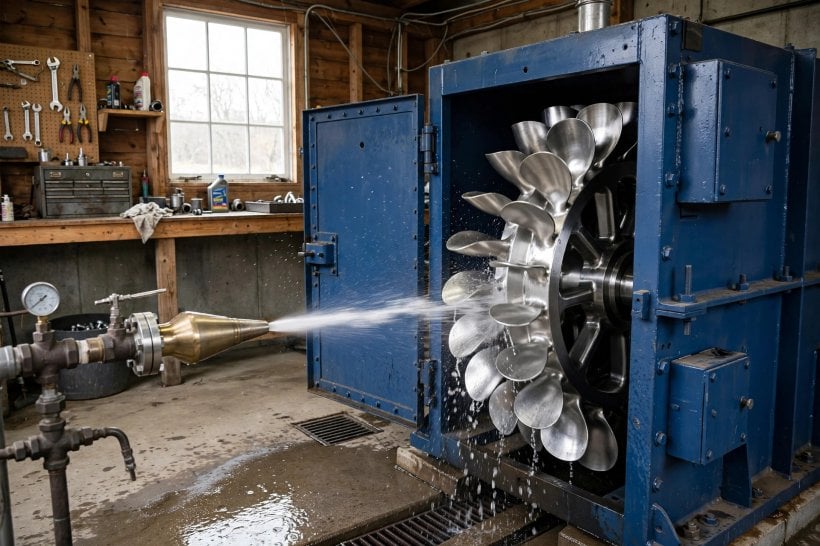
Four turbine families divide the hydro world by head, and choosing between them is not a matter of preference — the site’s numbers have already chosen. At the top sits the Pelton wheel, the impulse classic: for high head, 50 feet and above, where a jet of water strikes spoon-shaped buckets around a wheel and the pressure of a long fall does the work. It is the efficient one, because at high head a small flow carries serious energy and the Pelton wastes almost none of it. Below it, the Turgo covers the middle ground — 20 to 50 feet — striking its wheel with a side jet; the versatile one, tolerant of the in-between sites that are neither mountain falls nor meadow runs.
The low-head end belongs to two different temperaments. The crossflow turbine takes low head with high flow — 5 to 20 feet — and earns its reputation as the DIY-friendly, forgiving one: it tolerates debris and variable flow, and its simpler construction suits builders who would rather maintain their machine than admire it. The Archimedes screw works the ultra-low sites, 3 to 10 feet, turning slowly in an open trough — the elegant one, and the fish-friendly one, since its gentle rotation lets aquatic life pass through unharmed. The pattern across all four is the physics wearing hardware: high head wants impulse and precision, low head wants volume and tolerance.
5. Components: From Intake to Inverter
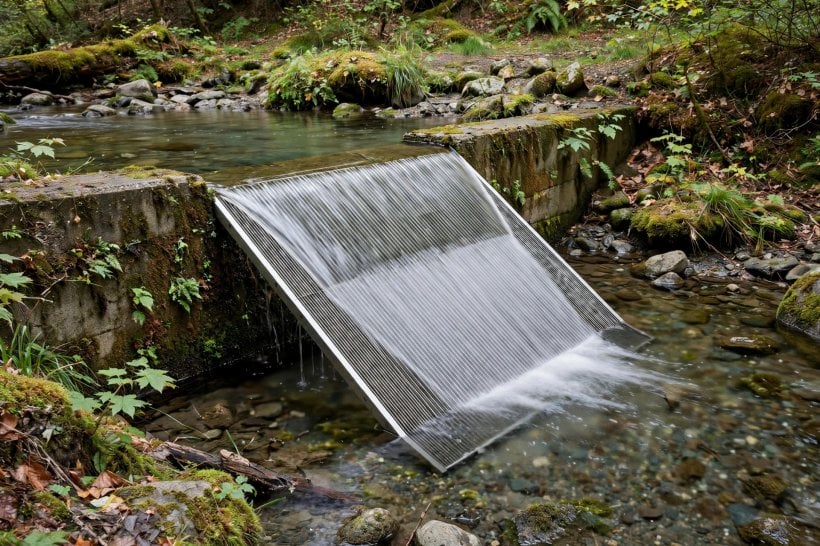
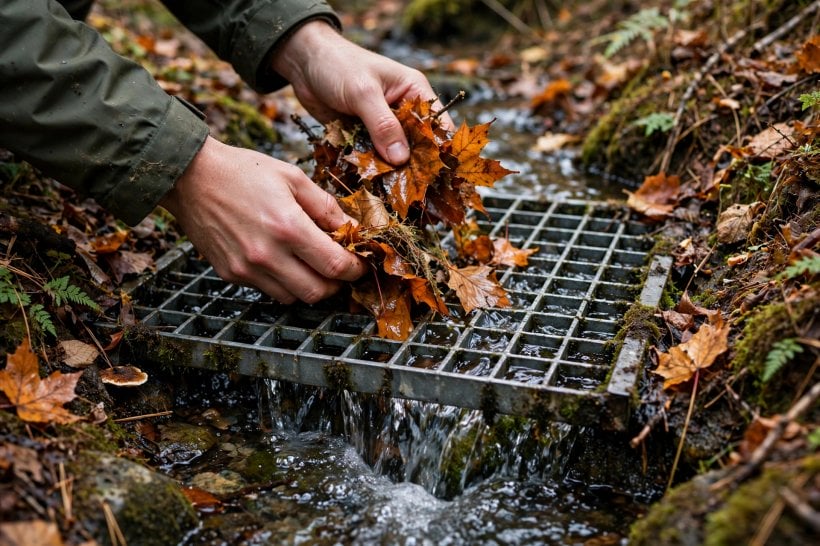
Between the stream and the light switch sit five components, and the chain starts where the water is persuaded to leave the creek: the intake. It is screened — against the debris every stream carries, leaves and twigs and gravel — and the better designs are self-cleaning, sweeping the screen with the flow itself so the mesh does not blind over between visits. From the intake, the penstock carries the water down the surveyed line: SDR-35, pressure-rated, because the pipe at the bottom of a 50-foot fall holds real pressure, and buried below the frost line — a detail whose reason arrives with the maintenance rhythm: buried pipe does not freeze.
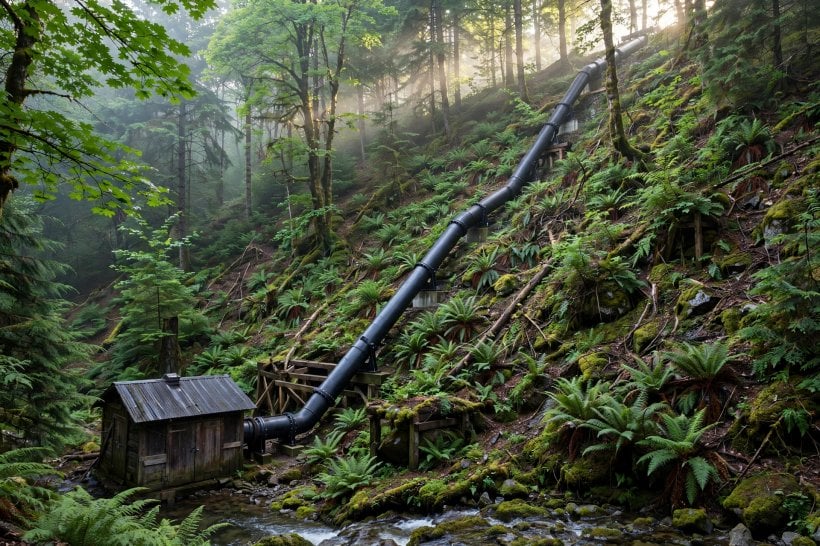
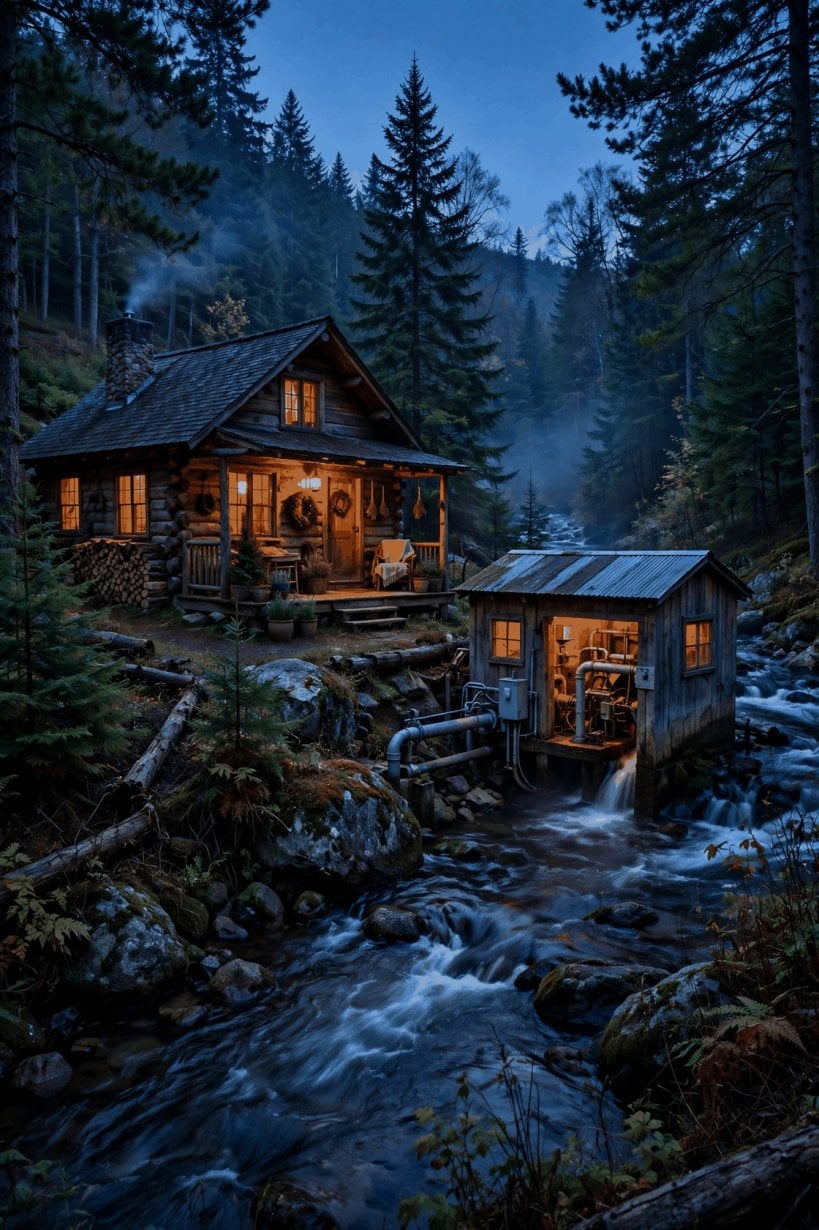
At the bottom of the penstock sits the heart: turbine and generator, the matched pair, $1,000 to $5,000 of the budget — permanent-magnet generation, chosen for the site’s surveyed head and flow rather than a catalogue’s headline. After the heart, the controller, and its job is protection disguised as plumbing: a hydro turbine cannot simply be switched off under load, so the controller diverts — excess power is steered to a diversion load, usefully to heat, whenever the batteries are full, keeping the machine loaded and the bank safe. Last, the battery and inverter, and here the original’s note is economic: they are the standard homestead pair, the same bank and inverter the solar array already uses, shared. Hydro plugs into the electrical ecosystem the homestead already owns — the off-grid power architecture set out in tiny house utilities for off-grid power, water and sewage, with the creek simply taking the night shift.
6. Costs: The Hydro Budget
The budget splits by ambition. The DIY build — 100 to 500 watts, the scale of the worked example and of most homestead creeks — runs $2,000 to $6,000: the penstock and the turbine dominate the parts list, and the rest is sweat equity. The professional build, 1 to 5 kilowatts, engineered and permitted, runs $10,000 to $30,000 — real power-plant money, buying a system that carries a whole property rather than a baseload. Either way, the figure that justifies the category is the third one: the lifetime cost per kilowatt-hour, $0.05 to $0.10, which the original calls the cheapest renewable — unbeatable where viable — because the machine runs 24 hours a day and the fuel is gravity. Payback lands at 5 to 10 years, and after payback the creek works for free.
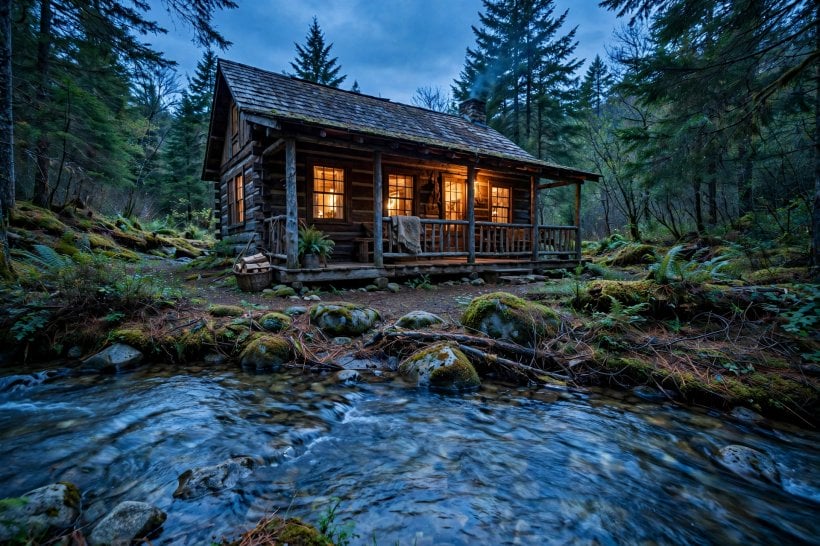
The honest way to read those numbers is against the alternatives the homestead was already pricing. Solar asks for its money up front and then observes a curfew; the batteries needed to carry a home through the night are a cost hydro quietly deletes, because a generator that never sleeps needs far less storage behind it. That arithmetic is the same long-view calculation the homesteading economics guide to financial independence off-grid applies across the whole property: the assets that pay are the ones that work while you sleep. The catch is the qualifier the original never drops: where viable. Viability is the survey, the rights and the dry-season bucket — which is why this guide measures before it spends.
7. Permits and Environment: The Responsible Diversion
A stream is not a private battery; it is a shared, living system, and the permitting layer exists because the law agrees. Water rights come first, as they did in the assessment: the diversion must be permitted under the state’s system — riparian or appropriation — and respected, meaning the right you hold defines how much you may take and when. Fish come second, protected at the intake: the screening that keeps debris out of the penstock is specified to keep fish out of harm as well, with the coanda screen the original’s named standard — a self-cleaning profile that sheds both leaves and livestock. The Archimedes screw’s fish-friendly passage is the same ethic at the other end of the head range.
Wetlands are the third consideration, and the rule is avoidance: where a build would disturb wetland ground, the Army Corps’ jurisdiction is checked before ground is broken, and the intake and penstock are routed around sensitive ground where the site allows. Neighbours close the list, and the principle is downstream: the flow is maintained — what the turbine borrows, the stream gets back below the powerhouse, so the neighbour’s water is the same water, a few hundred feet later. That ethic rhymes with the legal care the companion guide to the legality of collecting rainwater takes with the sky’s water. The homestead that reads its water carefully tends to read all of it carefully — the same habit behind rainwater harvesting sized from roof catchment.
8. Seasons: Sizing for the Dry Month
The stream you meet in April is not the stream you own in August, and the seasonal swing is the central planning fact of the whole technology. Flow is the variable half of the formula, so a system sized to spring’s abundance will spend the dry months under-delivering, while a system sized to the dry-season low delivers its promise every month of the year and treats the wet season as surplus. That surplus is not wasted, either: this is where the controller’s diversion load earns its place a second time, steering the spring excess to heat exactly when a homestead still wants heating, while the battery bank simply sits full. Designing to the low is the discipline that converts an exciting April number into an honest annual one.
Winter writes the other seasonal chapter, and its lesson is defensive design rather than output arithmetic. Flowing water in a buried penstock does not freeze — the original’s design note — because the pipe sits below the frost line and the water inside it never stops moving; freeze failures belong to shallow, exposed or stagnant plumbing. The intake is where winter and autumn conspire: leaf-fall loads the screen in the wet season, and ice tests whatever the leaves weakened. Set against the solar array’s calendar — strong in the long bright months, feeble in the short dark ones the sizing logic in how much solar power a tiny house needs works through — the creek’s rhythm is the complement: its best water often arrives with the wet, dark half of the year, precisely when the panels are at their worst. The two sources insure each other.
9. Living on Baseload: The Creek as the Homestead’s Night Shift
What continuous power changes, practically, is the shape of the homestead’s whole electrical life. Loads that solar homesteads schedule nervously around the sun — the refrigerator, the freezer, the router, the lights after dark — simply run, because the floor of supply never drops to zero. The battery bank’s job description shrinks from reservoir to buffer: it smooths the evening peak, covers the kettle and the pump, and is refilled by the creek overnight rather than rationed until dawn. Households that buffer solar through a portable power station instead will recognise the inversion — the candidates compared in the roundup of off-grid power stations from Jackery, Bluetti and EcoFlow are storage looking for a source; the creek is a source that makes storage modest. Even the connectivity layer benefits: the power budget behind off-grid internet and staying connected in the wilderness assumes watts that never take the night off, and a satellite terminal sipping power at 3 AM is a load only a baseload source shrugs at.
There is a psychological dividend the original names with a phrase worth keeping: the 3 AM power — the solar array’s envy. It is the knowledge, on the darkest night of the year, that the system is generating anyway; that the creek is doing in the small hours what it did at noon. None of it requires a large stream. It requires the right stream — surveyed head, honestly measured flow, matched turbine — and the patience to let a modest number of watts, multiplied by every hour of every day, outproduce a larger number that only works part-time.
10. Maintenance: The Running Rhythm
The maintenance calendar is short enough to write on an index card, which is part of the technology’s appeal. The recurring task is the intake: cleared seasonally — the leaves are the named enemy — in about 10 minutes. The annual task is the bearings: greased on schedule, and replaced at the 5-year mark, the one real wear item with a date attached. Everything else is inspection folded into those two visits: the penstock walked where it surfaces, the diversion load confirmed working, the screen’s self-cleaning action verified. Compare that calendar with the chore lists of every other homestead system, and the creek’s rhythm is closer to a friendship than a job: brief, regular, undemanding.
Winter adds the one design-dependent check, and it is really a confirmation of the build decisions: the penstock buried below frost does its silent work, the flowing water never freezes, and a system designed honestly asks for nothing extra in January beyond the intake’s seasonal clear. The beauty the original closes on is the always-on quality itself — a machine whose maintenance is measured in minutes per season because it has no combustion and no fuel path. Keep the screen clear, grease the bearings, replace them on their birthday, and the creek handles the rest of the shift.
Final Considerations
Measure the head and the dry-season flow first — the transit or hose-level, the bucket and stopwatch, honestly. Match the turbine to the site: Pelton for high head, crossflow for low. Bury the penstock below frost and let the flowing water stay unfrozen. Respect the water rights and the fish; keep the downstream flow whole. Then savour the 3 AM kilowatts, the baseload no other homestead renewable quite matches. The creek was already working around the clock — micro-hydro just puts it on the payroll.




2 Comments