

A porch or sunroom lives or dies by its windows. They are most of the wall, most of the cost and nearly all of the comfort — the difference between a room used three seasons a year and a glass box that is too hot in July and too cold in January.
This guide is the what-to-check version of porch and sunroom window buying: what the panels are glazed with, how they open and slide, how they seal and screen, and the measuring, fitting and warranty questions to settle before anyone cuts an opening.
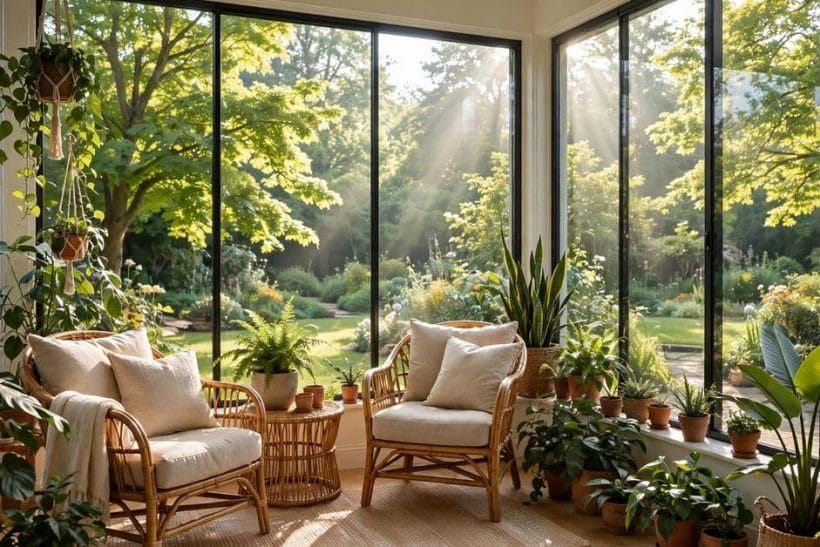
1. Porch and Sunroom Windows at a Glance
Scope first. This post owns one decision: choosing the windows of a porch or sunroom enclosure. Its neighbours handle the wider subjects — window materials and warranty checks cover the house’s windows generally — while here everything serves the lightweight, large-area glazing that wraps a porch.
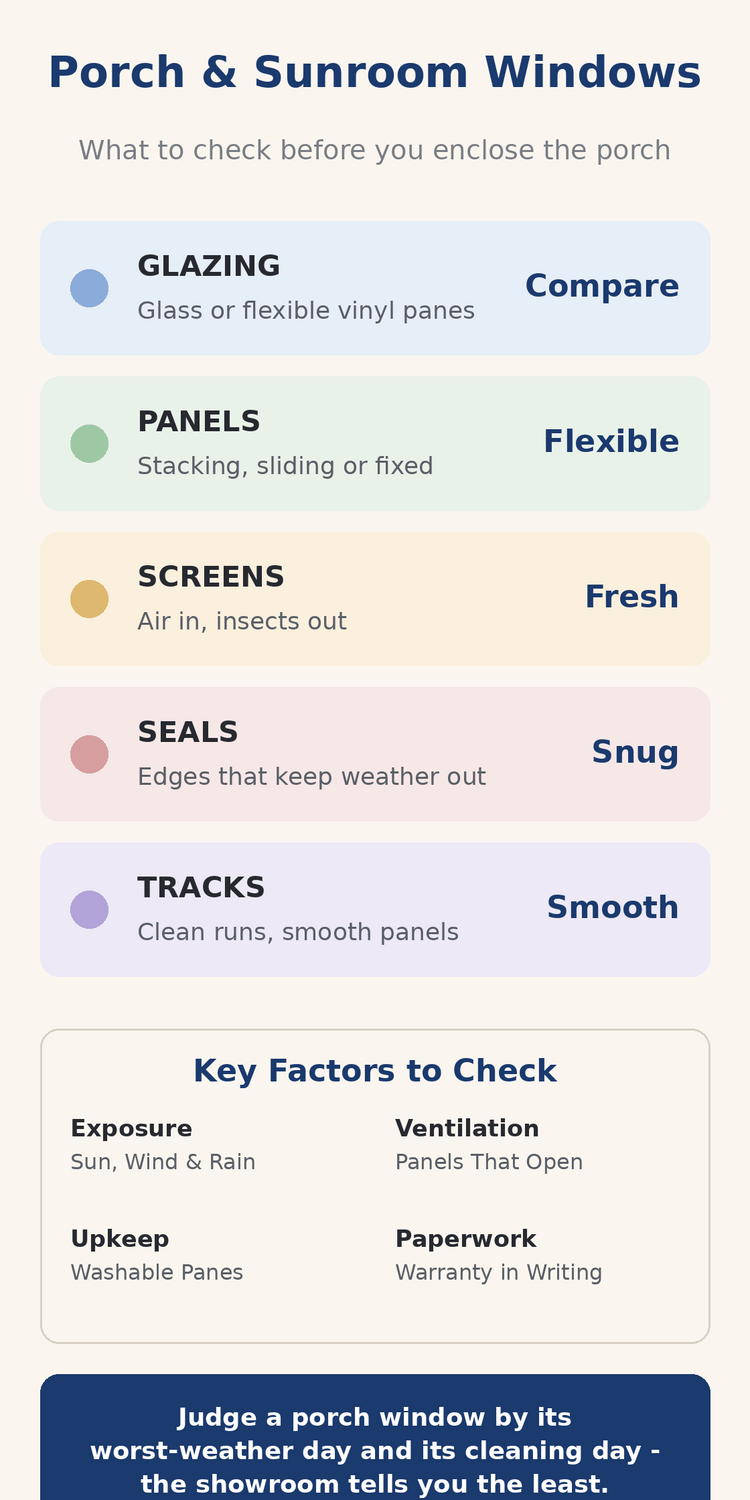
The five checks in the table are the whole purchase in miniature. Work down them in order and most enclosure quotes become easy to compare.
| Check | Character | What it means |
|---|---|---|
| Glazing | The Comfort Layer | Glass or flexible vinyl panes decide light, warmth, clarity and safety behaviour |
| Panels | The Moving Parts | Stacking, sliding or fixed panels decide how the room opens to the garden |
| Screens | The Air Filter | Mesh keeps insects out while the room breathes on warm days |
| Seals | The Weather Line | Edges and gaskets keep driven rain and draughts on the outside |
| Tracks | The Daily Motion | Clean, true tracks decide whether panels glide or fight for years |
2. What These Windows Have to Do
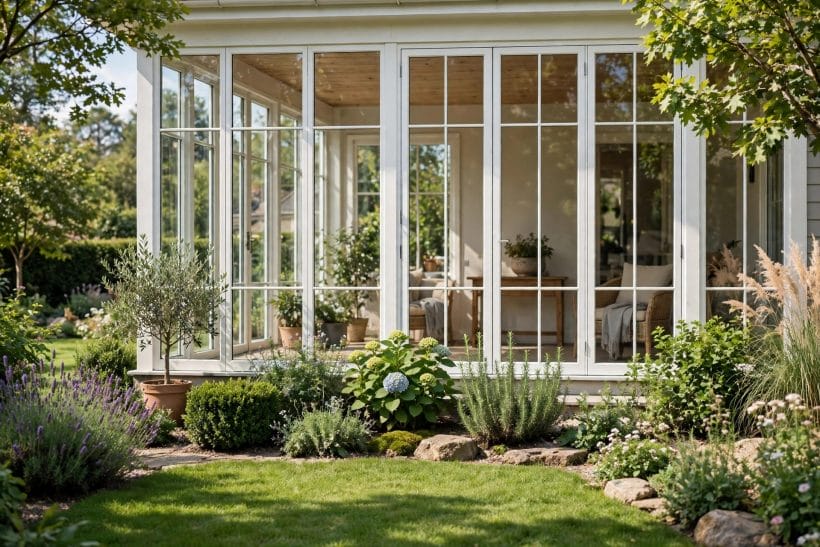
A porch window does a different job from a house window. It covers more area, carries less structural help from the wall around it, and is asked to turn an outdoor room into an indoor one — and back again, sometimes on the same day.
1. Shelter without sealing the garden away
The point of the room is the garden, closer. Glazing should give shelter from wind and rain while keeping the view and the sense of sitting outside. Panels that open wide matter more here than in any other room of the house.
2. Light in quantity, heat under control
A wall of glass gathers light beautifully and heat relentlessly. South and west-facing porches need a plan for summer sun — shading, ventilation, or both — or the room will be a greenhouse that people, unlike tomatoes, decline to sit in.
3. Honest limits in cold weather
Most porch enclosures are three-season rooms, not extensions of the heated house. Single or lightly-insulated glazing will mist and chill in deep winter, and that is a property of the type, not a defect of a particular product. Buy the room for the seasons it can honestly serve.
3. Glazing Choices in General Terms
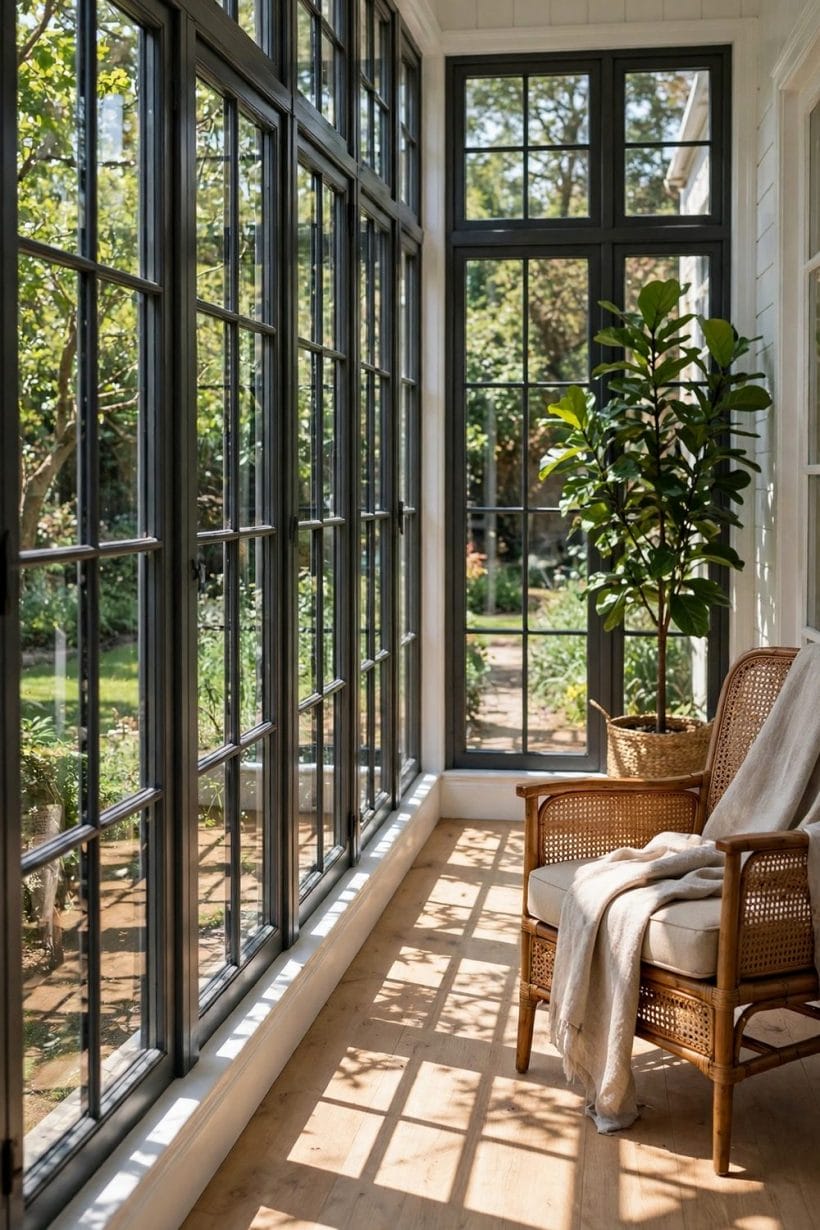
The pane material is the biggest character decision in the enclosure. Compare samples in real light, flex them, look through them at an angle, and ask how each one ages. The three families below cover nearly everything sold for porches; each has honest strengths, and the right choice depends on the room’s exposure, its seasons of use, and how much weight its structure can happily carry.
4. Glass for clarity and permanence
Real glass gives the clearest view, resists scratching and holds its looks for decades. Its costs are weight and consequence: large glass panels need stronger frames and proper handling, and safety glazing rules apply where panels reach low — your installer should state plainly how the design complies.
5. Flexible vinyl glazing for lightness
Many porch systems use clear flexible vinyl panes instead of glass. They are light, forgiving of knocks, and can be pressed back into shape after minor impacts; in exchange they flex in wind, soften the view slightly, and ask for gentler cleaning. Judge them as a different material, not as failed glass.
6. Polycarbonate and acrylic for utility areas
Rigid plastic panes sit between the two: light and tough, less optically perfect than glass, prone to fine scratching over years. They suit utility porches and high, hard-to-reach panels where clarity matters least.
4. Frames, Panels and Tracks
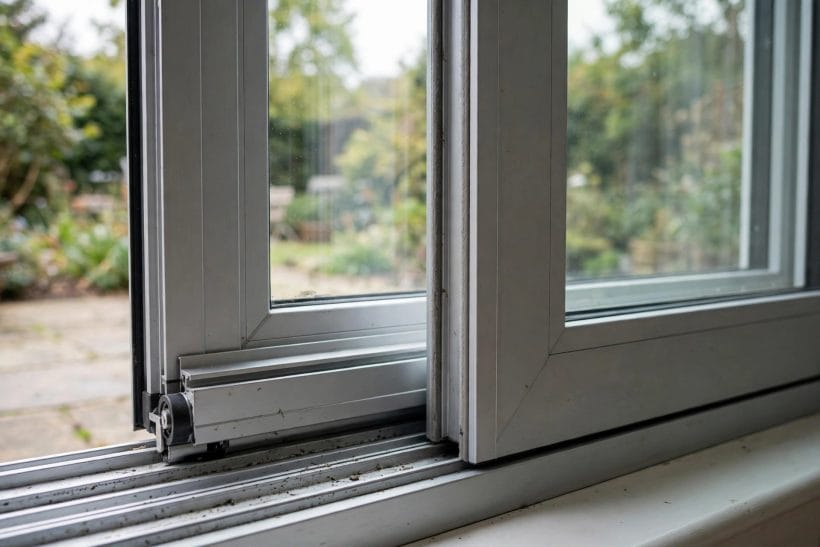
The hardware decides the room’s daily behaviour. Open and close every panel in the showroom — the one that sticks there will stick at home, on the rainiest day, with your hands full.
7. Stacking panels that clear the opening
Some systems stack their panels to one side, opening most of the wall. Check where the stack parks, what it blocks when parked, and whether one person can move the full stack without a technique and a prayer.
8. Sliding panels for simple, robust motion
Sliders trade opening size for simplicity: half the wall opens, the mechanism is understood by every fitter, and parts are easy to source. The same family thinking governs high glass elsewhere in the house — the clerestory windows guide makes a useful cross-read on large glazed areas.
9. Tracks are consumables in disguise
Wheels, guides and tracks wear. Ask which parts are replaceable, whether they are standard or unique to one maker, and how the track sheds the water and grit that porches collect. A system whose small parts cannot be replaced ages as fast as its cheapest wheel.
5. Opening Styles and Ventilation
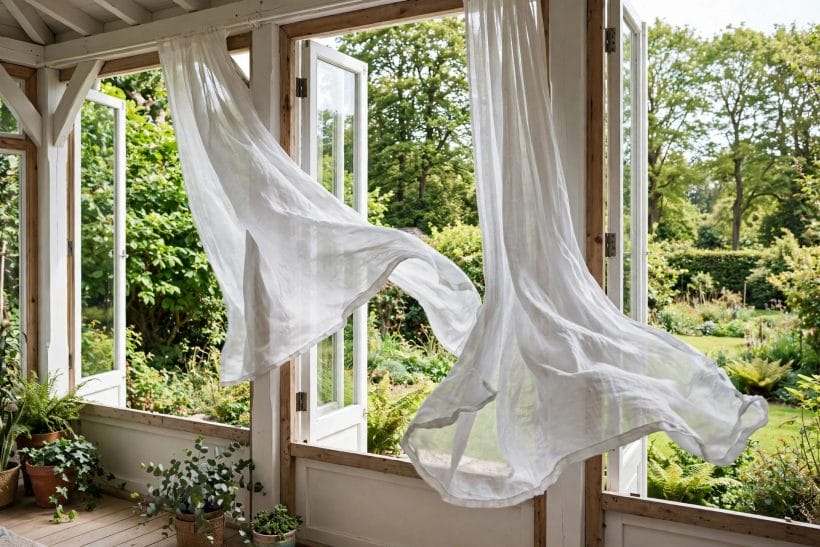
Ventilation is the porch’s air conditioning. A room that cannot shed hot air will not be sat in, however beautiful its glazing, so judge every system by its worst July afternoon.
10. Cross-ventilation needs two sides
Air enters where it can leave. Openings on one wall only will stir the room’s air politely; openings on two sides — or high and low on one — actually change it. Plan the openable panels as a system, not as scattered extras.
11. High vents for rising heat
Hot air collects at the top of a glazed room. Panels or vents that open high release it without a draught at sitting level, the same principle that makes awning windows so effective at shedding warm air in the main house.
12. Doors are windows that walk
The enclosure’s door takes more use than any panel. Check its swing or slide against furniture, its threshold against tripping, and its seals against the weather it faces. A beautiful system with an awkward door will be cursed daily.
6. Weather, Seals and Screens
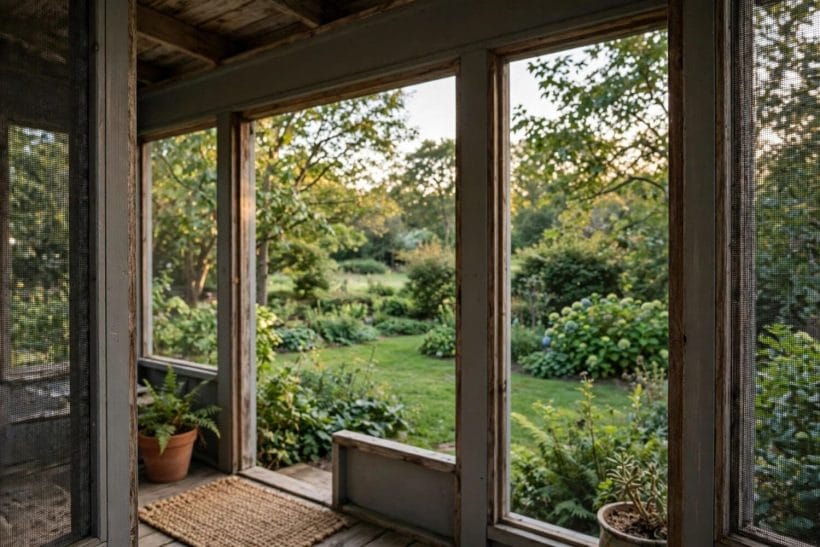
A porch faces weather a house wall never sees: driven rain at the screens, leaf litter in the tracks, and sun working every seal. The checks here decide whether the room stays a pleasure or becomes a maintenance rota.
13. Seals at every meeting line
Where panels meet frames, frames meet the house, and the enclosure meets its base, something must keep driven water out. Ask what seals each junction, how it is renewed when it ages, and what the inside face shows you when a seal starts to fail.
14. Screens that fit and lift out
Screens should sit tight enough to exclude insects at every edge and lift out easily for cleaning and winter storage. Torn or ill-fitting screens are the most common porch disappointment — check the demo room’s screens with the same suspicion as its panels. Ask, too, about mesh choices: a finer mesh keeps out the smallest biting insects but softens the airflow and the view slightly, while a standard mesh breathes more freely. Porches near water or woodland usually vote for the finer mesh; sheltered town porches rarely need it.
15. Drainage paths you can see
Every track and sill collects water by design; the question is where it goes next. Weep paths should lead outside, visibly and cleanably. A system that hides its drainage hides its blockages too, until the water finds its own way indoors.
7. Measuring and Fitting Checks
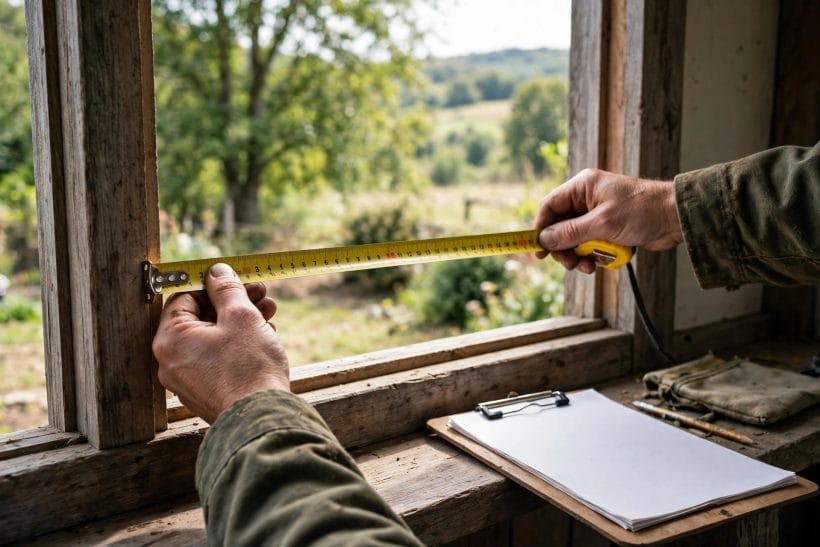
Enclosures are measured into existing openings that are rarely square and never as drawn. The fitting conversation matters as much as the product conversation.
16. Who measures, who carries the risk
If the maker measures, the maker owns the fit. If you measure, you do. Establish in writing whose numbers the panels are built to, and what happens — at whose cost — if an opening turns out to be out of square.
17. The base and the head carry the system
Panels stand on a knee wall, a sill or an existing porch structure, and each fixing is only as good as what it fixes to. Ask what the installer needs to find beneath the surface, and what making-good is included if the existing structure disappoints.
18. Fitting order and making good
Agree the sequence: what is removed, what is built, what is sealed, and what the room looks like at the end of each day. Porches are thresholds of the house; a half-fitted enclosure overnight is a security and weather question, not a detail.
8. Care, Cleaning and Upkeep
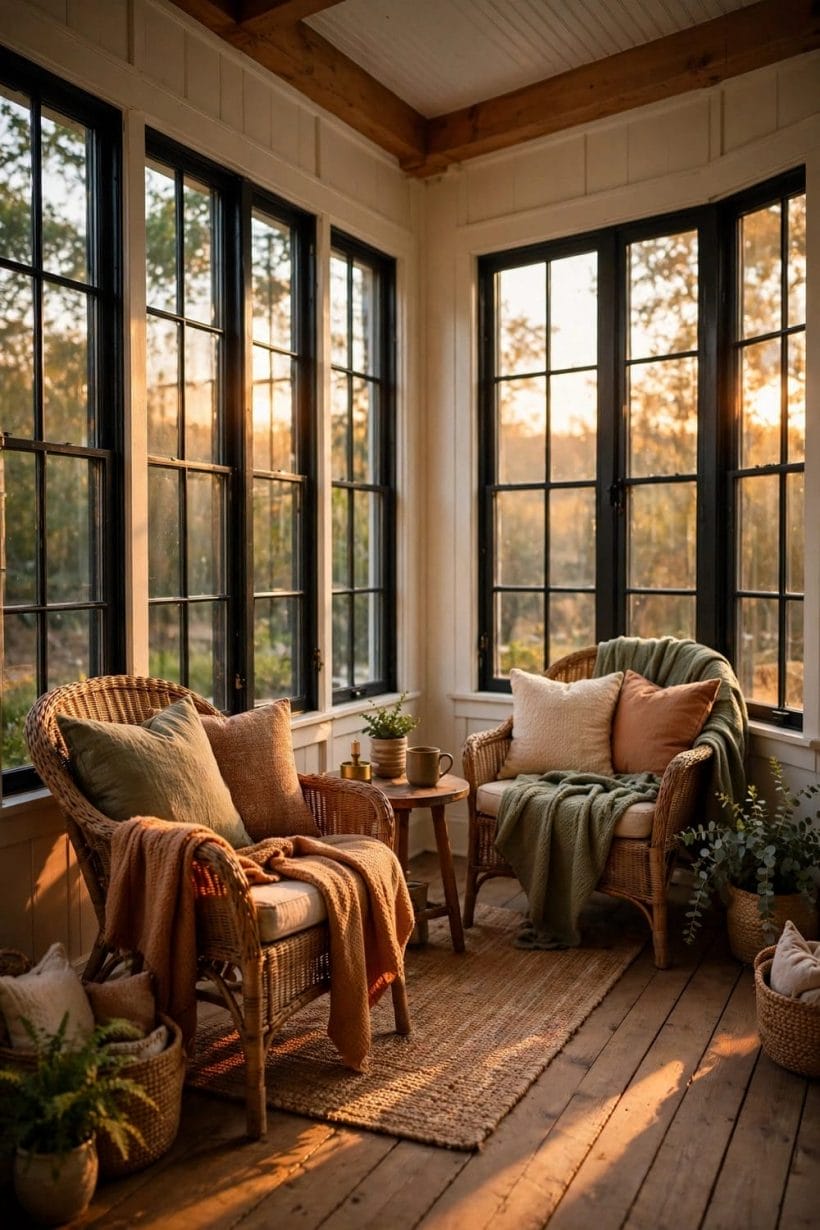
Large glazed areas collect the garden’s evidence: pollen, dust, bird commentary. The best system is the one whose cleaning you will actually do — which means judging it here, before purchase, rather than discovering in the second spring that the beautiful fixed panes can only be reached by ladder and the flexible ones need a product you cannot buy locally.
19. Clean panes with the right tools
Each glazing material has its cleaning rules — glass forgives, flexible vinyl and plastics scratch under abrasive tools and harsh chemicals. Get the maker’s instructions in writing and keep them; the wrong cloth in year one is visible in year five.
20. Tracks swept, wheels checked
A season’s grit in a track is a year’s wear on its wheels. Put track-cleaning and a wheel-and-seal inspection on the same twice-yearly list as gutter clearing, and the panels will keep the glide they had in the showroom.
21. Winter storage and storm habits
Removable panels and screens need a labelled, protected home for winter, and the household needs a storm habit: which panels close first, which furniture comes in. Write the habit down while the installer is still there to correct it.
9. Warranty and Paperwork Checks
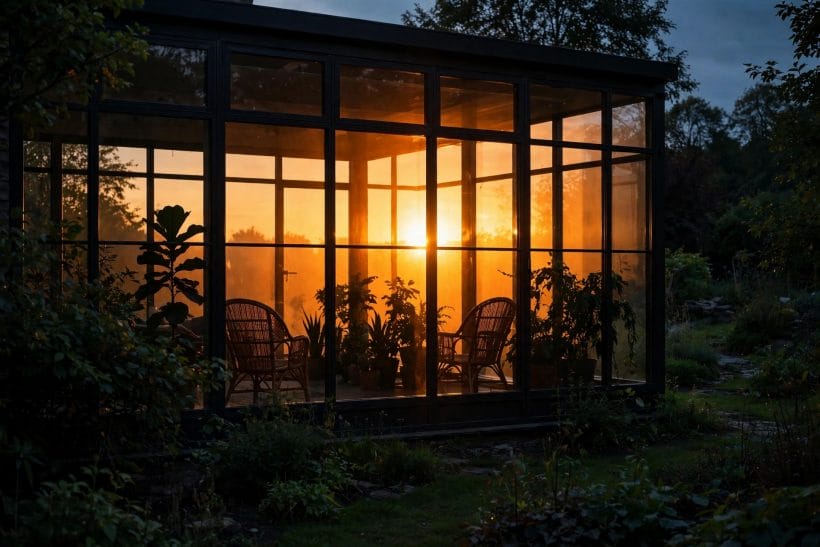
Enclosure systems are sold as packages — panels, frames, fitting — and their paperwork decides what help exists when something warps, clouds or sticks in year four.
22. Separate the warranties in the package
The glazing, the frame finish, the moving parts and the fitting labour may each carry a different promise from a different party. Ask for the four answers separately, in writing, before signing; a single long warranty on one part can disguise short ones on the rest.
23. What counts as a defect
Clouding of flexible panes, seal failure, finish peeling and panel distortion are the classic enclosure claims. Check which are named in the warranty and which are called wear. The gap between the sales talk and the named list is where disappointment lives.
24. Dressing the finished enclosure
Once sealed and warranted, the room still needs dressing against glare and for privacy — the window valance styles and the tricks for hanging double curtains without a double rod both adapt well to porch glass. Choose treatments that tolerate sun and humidity from the start.
10. Questions to Ask Before You Sign
Finish with the questions that surface every assumption. A good installer answers them easily; the answers belong in the written quote, not in the memory of a showroom conversation.
25. The material questions
What exactly is each pane made of, how does it age, how is it cleaned, and what does its replacement cost and involve in ten years? Ask the same for the frame finish. Materials named precisely in the quote can be checked; materials described warmly cannot.
26. The weather questions
How does the system shed driven rain at the tracks and the head? What is its answer to a south-facing August and a still, frosty January? Listen for honest limits — the installer who names them is the one describing your actual room, which links the enclosure back to the porch it serves, like the timber structures in wooden porch design.
27. The fitting questions
Who measures, who fits, how long the room is open to the weather mid-job, and what making-good is included? Fix the answers in the agreement. A porch enclosure is a small building project wearing a window’s clothes — paper it like one.
Final Considerations
A porch or sunroom enclosure is bought twice: once in the showroom, where everything glides, and once across the years, where tracks fill with grit, seals age and panels meet real weather. The checks in this guide are aimed squarely at the second purchase.
Choose the glazing for the room’s honest seasons, the panels for the way your household actually moves, and the paperwork for the day something needs help. Do that, and the enclosure becomes what it promised to be — the garden, with the weather politely held at the glass.

0 Comments