

The showroom keeps growing — e-bikes, cargo bikes, velomobiles, and something new every year — and the wrong pick is an expensive machine gathering dust in the garage. The right one is decided by your distance, your cargo, your weather and your wallet. Seven honest questions turn those into one clear match, with the reasoning to trust it.
1. Sustainable Transportation Quiz at a Glance
The sustainable transportation quiz scores a commute the way the commute is actually lived: six dimensions — distance, cargo, weather, terrain, budget and parking — answered honestly, then read as a pattern rather than as six separate verdicts. One answer rarely decides anything on its own; the match comes from how the answers combine. A short ride in mild weather forgives almost any machine, while a long ride through a real winter narrows the field to one. The table below is the whole method at a glance; the sections after it take each question apart in turn.
| Attribute | Detail |
|---|---|
| The Method | Seven questions scored across six dimensions — distance, cargo, weather, terrain, budget and parking |
| The Vehicle Family | E-bike, cargo bike, velomobile, scooter and EV — plus the acoustic bike for the fitness answer |
| The Distance Bands | Under 5 miles / 5–15 / 15–30 / 30+ — each band changes which machine fits |
| The Default Match | The commuter e-bike — the 80% solution at $1,500–2,500 |
| The Cargo Match | The cargo e-bike — the hauler, with a 400-lb capacity, at $3,000–5,000 |
| The Distance Match | The velomobile — the specialist at $7,000–12,000, bought for aerodynamics and enclosure |
| The Budget Match | Used or converted — the entry route inside the under-$1,000 band |
| The Budget Bands | Under $1,000 / $1,000–3,000 / $3,000–6,000 / $6,000+ |
| The Parking Test | Secure indoor, work rack, street or carry-inside — each answer hardens or frees the choice |
| The Deciding Rule | Match the vehicle to the worst day — the rain, the hill and the load together |
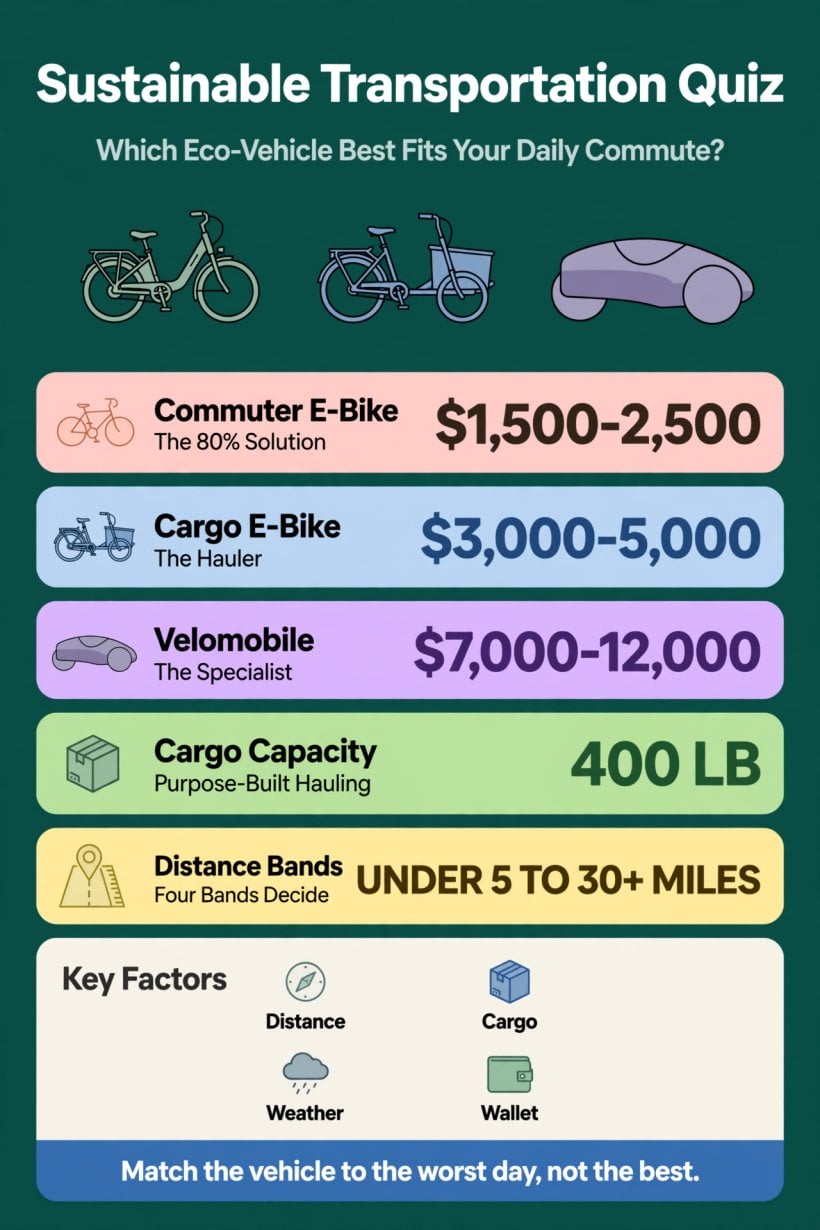
Seven questions, six scored dimensions, four possible matches — and one rule that overrules them all: buy for the worst day, not the best.
Read the table as a funnel. Distance sets the size of the problem, cargo sets the shape of the machine, weather and terrain set its equipment, and budget and parking set what is realistic to own. The four matches waiting at the end of the funnel — commuter e-bike, cargo e-bike, velomobile, and the used-or-converted route — are not ranked from worst to best; each is the right answer to a different pattern of honest answers. The sections that follow keep the original labels for each answer, because the labels are the memory hooks: the easy, the standard, the long and the extreme on distance; the light, the cargo, the heavy and the pure on load.
2. The Method: Six Dimensions Decide the Match
The quiz exists because choosing blind is expensive. The eco-vehicle world overflows with options — e-bike, cargo bike, velomobile, scooter, EV — and every one of them is the perfect answer to somebody’s commute and a costly mistake for somebody else’s. The failure mode is always the same: a machine bought for the commute the rider wishes they had, gathering dust in the garage while the car keeps doing the real work. A structured set of questions prevents that by forcing the decision onto the commute that actually exists. The wider family these machines belong to is mapped in the overview of sustainable micro-mobility across e-bikes, cargo bikes and velomobiles — this assessment is the personal version of that map, the one that ends with your name on a specific machine.
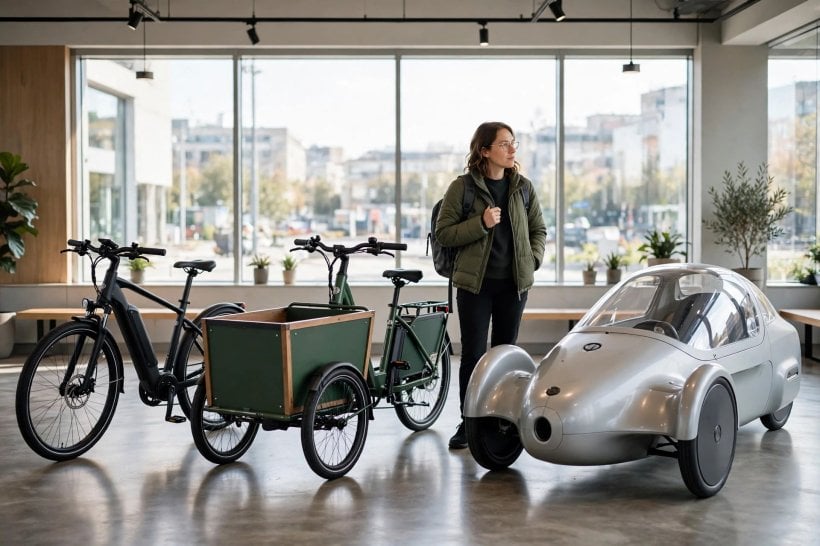
The six dimensions are the six things that actually differ between commutes. Distance decides how much machine the ride demands. Cargo decides what the machine must physically carry. Weather decides how much protection the rider needs from it. Terrain decides the drivetrain. Budget decides which shelf of the showroom is realistic, and parking decides what ownership looks like on day thirty rather than day one. Answer each one for the ordinary week — not the best week, not the aspirational one — and answer the seventh element, the results, as a pattern: mostly one kind of answer points to one kind of machine. Honesty is the entire method; a quiz answered for an imaginary commute returns an imaginary match.
3. Question 1 — Distance: The Four Bands
Distance is the first question because it frames all the others, and it resolves into four bands. Under 5 miles is the easy band: any option works, the choice becomes preference, and this is the e-bike’s sweet spot — the ride is short enough that no machine is punished for its weaknesses. From 5–15 miles is the standard band: the e-bike or the velomobile, where the motor matters and consistency is the prize — this is the commute most riders actually have, the daily return trip that has to work in ordinary weather without heroics. In both bands the honest reading is that the distance itself is not the constraint; almost everything on the showroom floor can cover it, so the remaining questions do the real deciding.
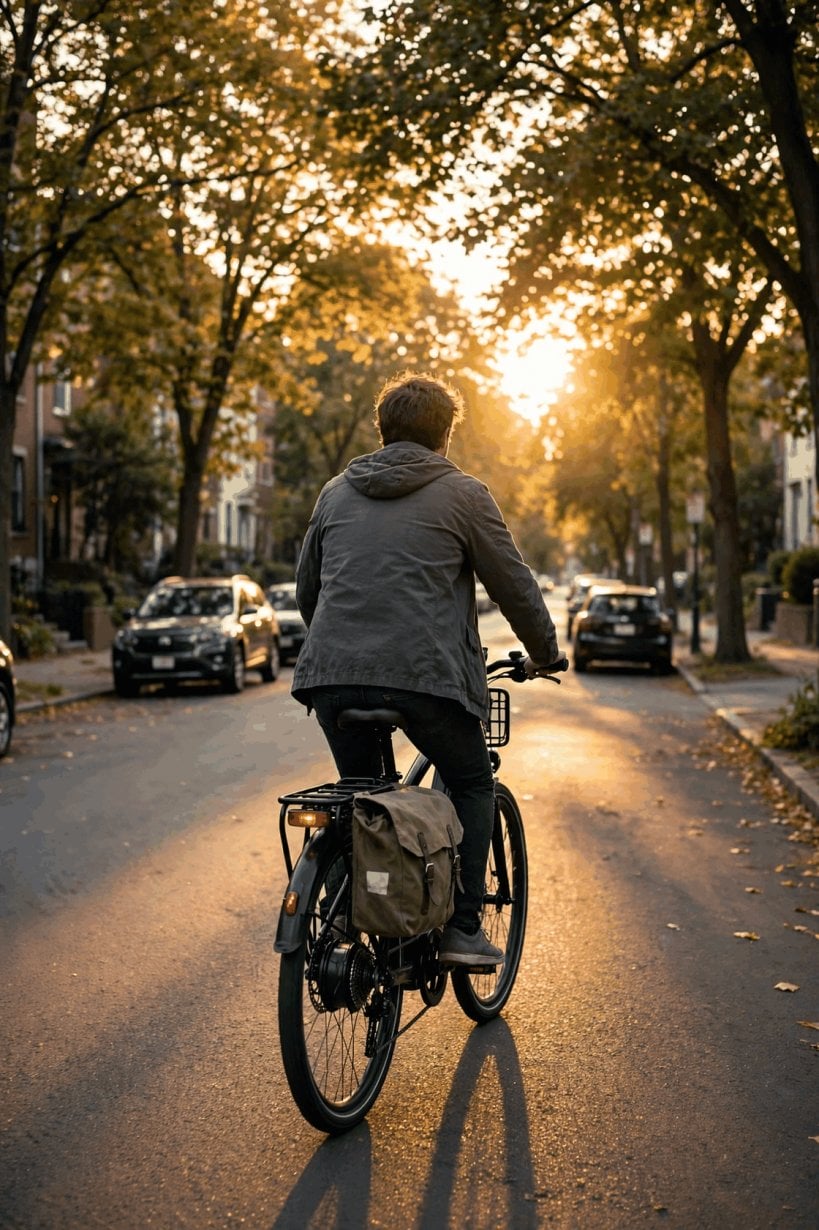
The upper bands are where distance starts eliminating machines. From 15–30 miles is the long band: the velomobile or a fast e-bike, where aerodynamics pay and endurance — the machine’s and the rider’s — becomes the deciding attribute, because small inefficiencies multiply over every one of those miles, twice a day. At 30+ miles is the extreme band: the velomobile or an EV, the honest answer being that some commutes exceed what a bicycle-class machine should be asked to do daily, and the multi-modal answer — part machine, part other transport — enters honestly rather than as a failure. Whichever band you land in, distance translates mechanically into battery and motor sizing, which is worked through in the guide to e-bike commuting batteries, motors and safety gear: the band tells you the size of the problem, and the sizing math tells you the machine that solves it.
4. Question 2 — Cargo: What the Machine Must Carry
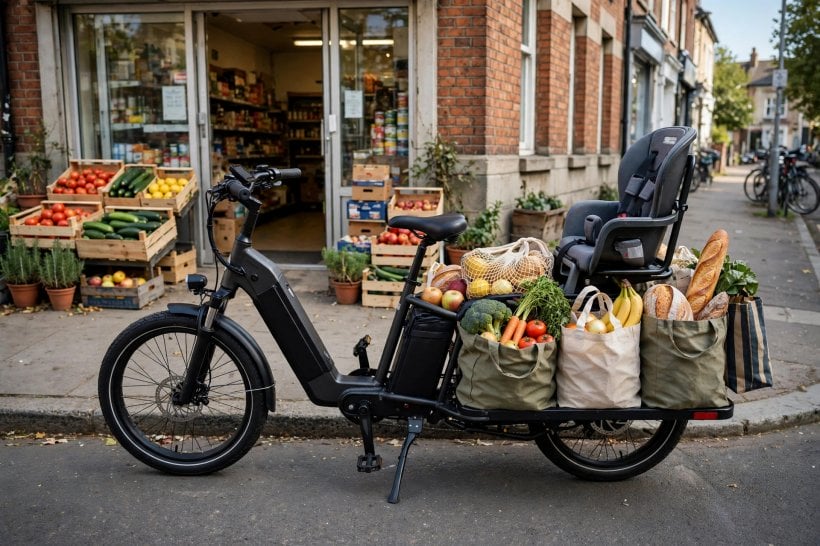
The second question weighs the load, because cargo is the attribute that most often turns a happy purchase into garage dust — a machine that cannot carry the Tuesday load does not get ridden on Tuesday. At the light end — just you plus a laptop — the field stays wide open: the e-bike, the scooter and the velomobile all qualify, and the choice falls back to the other five dimensions. The moment the honest answer becomes groceries or kids, the answer becomes the cargo e-bike: the purpose-built hauler, with a 400-lb capacity that turns the weekly shop and the school run into bicycle work rather than car work. Cargo is the dimension where purpose-built beats adapted, every time — a rack overloaded is a commute endured, while a machine built around the load makes the load disappear.
Two answers sit at the edges of the cargo question, and both are honest ones. Tools and gear — the heavy answer — points to the cargo bike or the EV, where volume is the deciding attribute: the load is no longer a bag but a kit, and the machine is chosen by what fits inside it. And the nothing answer — carrying nothing because the ride itself is the point — points to the acoustic bike: the pure, unplugged option, where the exercise is the cargo and no motor is wanted at all. Riders whose loads are agricultural in scale will find the heavy end of this spectrum worked through in the guide to electric cargo bikes for off-grid homesteaders and eco-farmers. Score the load you carry in the worst week, not the lightest — cargo, like weather, is a worst-day dimension.
5. Question 3 — Weather: Open, Covered or Enclosed
Weather is the question fair-weather shoppers forget to ask, and it sorts the vehicle family by how much of the sky the machine keeps off the rider. Mild year-round weather is the open answer: anything works, and it is the e-bike’s paradise — no enclosure to buy, no protection to plan, the simplest machine in its happiest climate. Rainy seasons move the answer to the covered: the velomobile or a fendered e-bike, where staying dry is the attribute being bought — the fendered e-bike defends the rider from the road’s spray while the velomobile removes the weather from the equation entirely. The distinction matters because rain is not an edge case in a rainy climate; it is the commute itself, repeated for months.
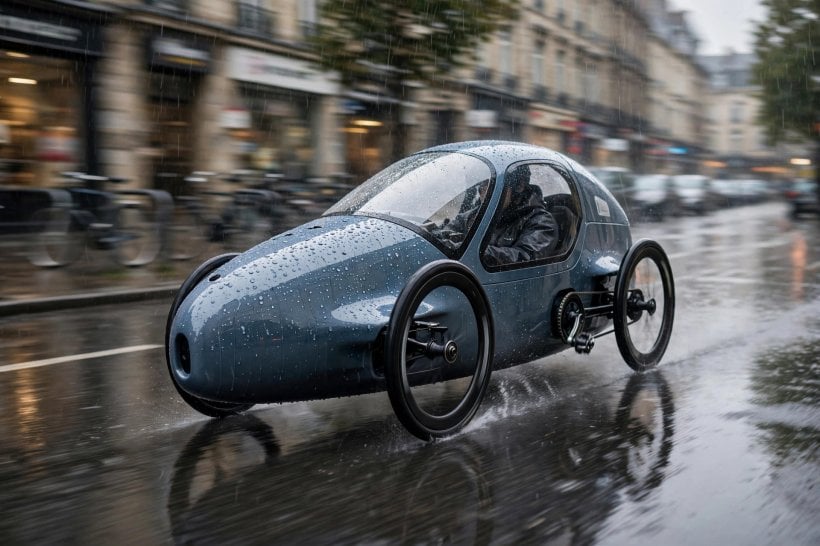
Real winter gives the enclosed answer, and only one machine gives it: the velomobile, the rolling greenhouse, whose shell turns the rider’s own heat into the heating system. Mixed weather — the honest answer for most climates — gives the versatile: the e-bike plus gear, the adaptable combination that handles a changing sky with clothing and equipment rather than bodywork. Both winter answers are developed in the guide to winter commuting with velomobile shells and e-bike tire solutions, and the open-bike half of the equation — keeping an e-bike and its rider functional through rain and snow — is covered in weatherproofing an e-bike for rain and snow. Answer this question for the worst month of your year; the machine that survives February survives everything.
6. Question 4 — Terrain: Hub Motor or Mid-Drive
Terrain is the shortest question and the most mechanical one: it chooses the drivetrain. Flat ground gives the simple answer — the hub-motor e-bike, the reliable and cheap configuration, because a hub motor on flat terrain is asked to do the one job it does effortlessly, and the rider pays for nothing the route will never use. The flat answer is a reminder that specification should follow the map, not the catalogue: the simplest drivetrain that fits the terrain is the right drivetrain, and money not spent on unneeded climbing hardware is money the budget question can spend elsewhere.
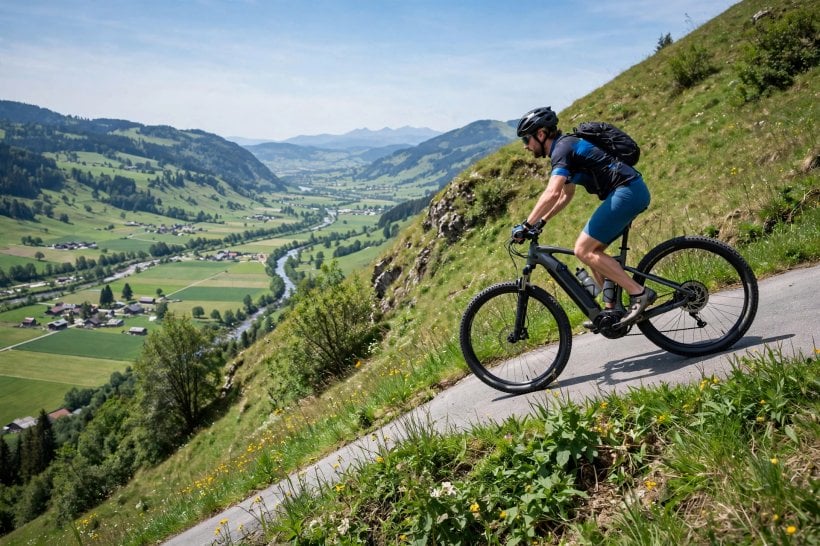
Hills reverse the verdict. Hilly terrain gives the torque answer — the mid-drive, the climber, whose gearing lets the motor work through the bike’s gears and keep its efficiency on the gradient; the gears are the point, because a climb is a gearing problem before it is a power problem. Mixed terrain gives the balanced answer — the mid-drive e-bike again, the versatile choice, because a route that mixes flat and climbing punishes a drivetrain chosen for either extreme. Read together, the three answers make this the quiz’s most binary question: the ground under your route decides the motor beside your pedals, and no other dimension gets a vote.
7. Question 5 — Budget: The Four Price Bands
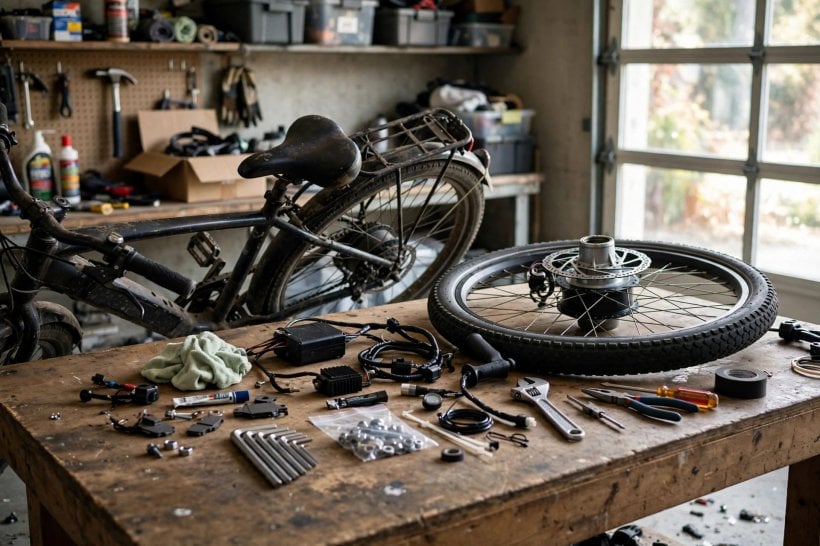
Budget is where honesty pays the highest interest, because the bands are wide and the machines inside them are genuinely different. Under $1,000 gives the used answer: a used e-bike, or an acoustic bike plus a conversion kit — the entry route, the converted machine, where patience and a careful eye substitute for money. The conversion path is a real build project rather than a shortcut, and its shape is laid out in the guide to velomobile DIY kits and build-your-own machines, whose kit logic applies to conversions of every kind. From $1,000–3,000 gives the standard answer: the quality e-bike, the commuter’s sweet spot, where the money buys the machine most riders should own — new, warranted and sized for the standard distance band.
The upper bands buy specialisation. From $3,000–6,000 gives the cargo-or-used-velo answer: a cargo e-bike, or a used velomobile — the specialist shelf, where the money follows the cargo or distance answers into purpose-built machinery at secondhand prices. At $6,000+ the answer is the velomobile outright: the efficiency machine, bought as an investment, whose price is justified by the longest distances and the worst weather rather than by the badge. What any of these machines costs across years of ownership — maintenance, insurance and the rest — is totalled in the cost of owning a velomobile, and the same arithmetic disciplines the cheaper matches: the band you can buy in is only the first line of the budget you will actually live with.
8. Question 6 — Parking: Where the Machine Sleeps
Parking is the question nobody asks in the showroom, and it quietly vetoes more purchases than any other — a machine that cannot be kept safely where it sleeps will not be ridden for long. Secure indoor parking gives the easy answer: anything works, the garage confers freedom, and the parking dimension simply drops out of the decision. The work rack gives the standard answer: an e-bike plus a serious lock — the U-lock — with a removable battery as the second layer of the defence, the combination that makes a machine left in public all day a reasonable risk rather than a daily gamble.
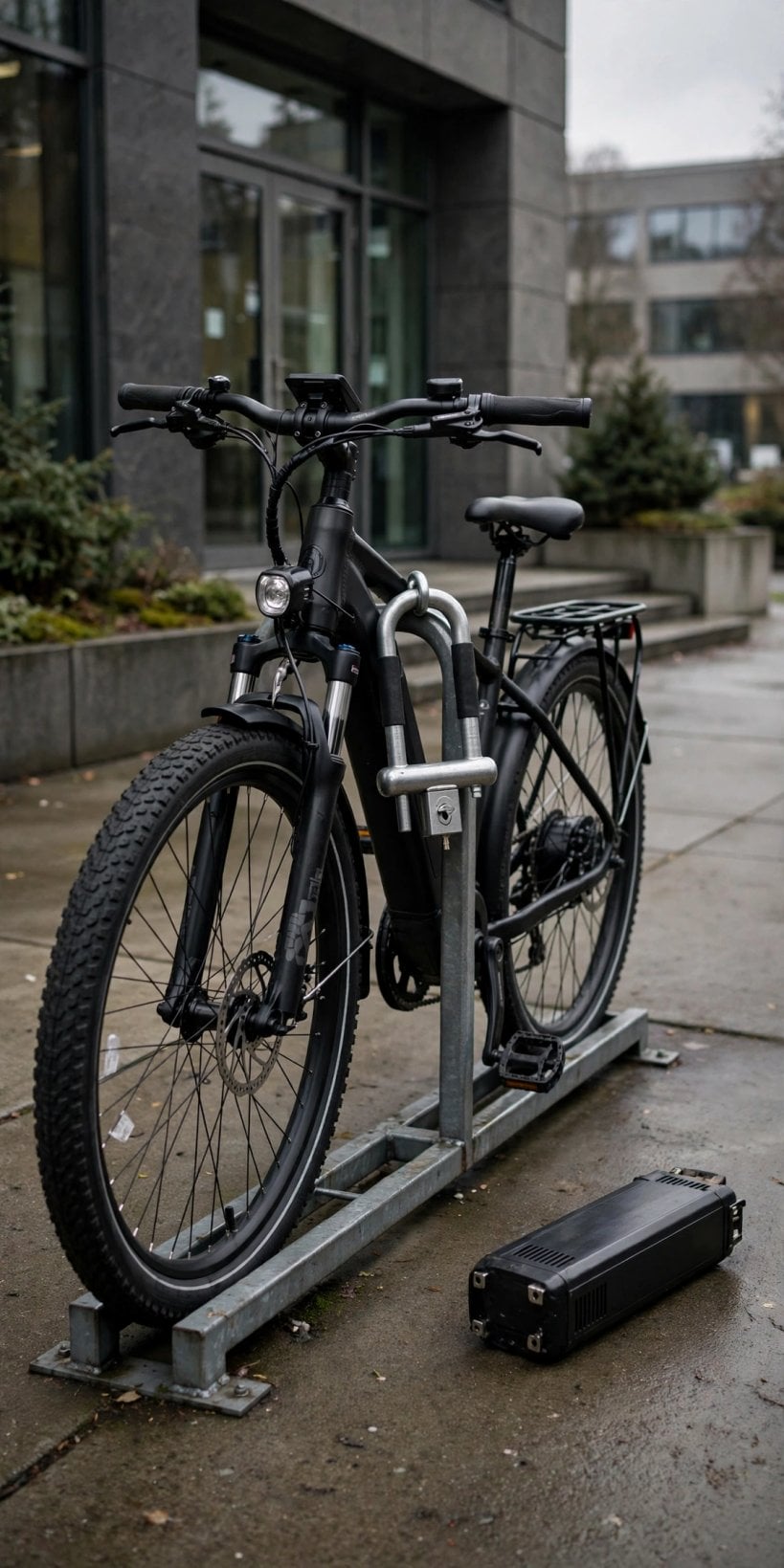
The harder answers harden the machine. Street parking gives the hardened answer: the beater bike, or the fortress lock — the theft reality, softened by GPS — where the strategy is either a machine not worth stealing or a defence not worth attacking, and honesty about the street you actually park on decides which. And no parking at all gives the folding answer: the folding e-bike, the office and apartment machine, carried inside and stored in the space a suitcase would take. Score this question before falling for any machine in the earlier sections; the showroom answer and the parking answer have to be the same machine.
9. Reading the Results: The Four Matches
The seventh element is not a question but a reading: the pattern of the six answers names the machine. Mostly e-bike answers give the commuter e-bike — the 80% solution at $1,500–2,500 — the match for the standard commute in its standard form, and the machine the majority of honest answer-patterns describe. Its specification, from battery sizing to safety gear, is the subject of the e-bike commuting 101 guide, which is effectively this match written out as a buying checklist. Cargo signals — the groceries-and-kids answer, the heavy load — give the cargo e-bike: the hauler at $3,000–5,000, the family truck, bought when the load question outvotes the others.
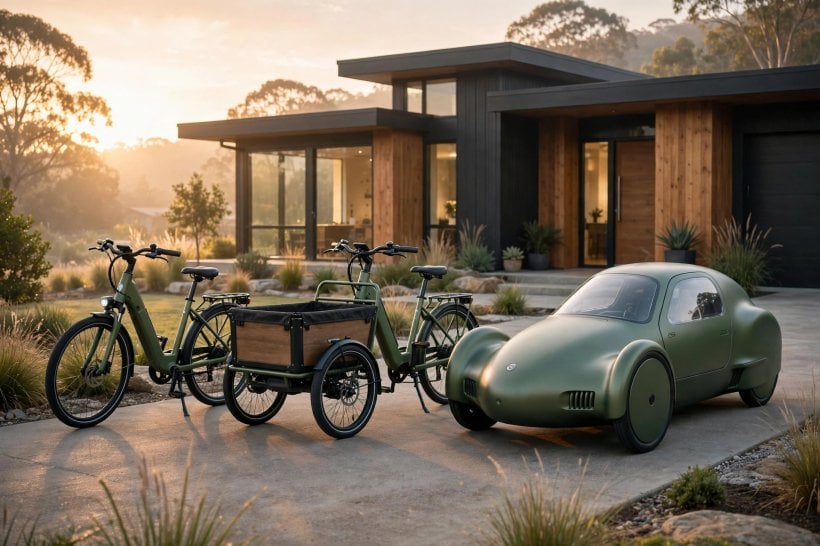
Distance combined with weather — the long band plus the enclosed answer — gives the velomobile: the specialist at $7,000–12,000, the efficiency machine, whose case is made in full in what a velomobile is, its history and aerodynamics. A tight budget overrules toward the fourth match: the used or converted machine, the entry, where the patient rider assembles the answer from the secondhand market and the kit shelf rather than the showroom. None of the four is a consolation prize; each is the machine a particular pattern of honest answers was always describing, and the reading’s job is simply to say its name out loud.
10. The Worst-Day Rule: Rain, Hill and Load Together
One rule stands above the scoring, and it resolves every borderline the six dimensions leave behind: match the vehicle to the worst day, not the best. The worst day is a compound — the rain, the hill and the load arriving together, the honest commute — and it is the day the machine is actually for. The fair-weather pick disappoints because it was chosen against a day that occurs a fraction of the year, while the worst-day machine handles the easy days without noticing them. Every dimension in this assessment leans the same way once the rule is stated: the distance band of the longest regular trip, the cargo of the heaviest regular load, the weather of the worst regular month.
The rule has a calendar form, and it is the sentence the whole assessment reduces to: the right eco-vehicle is the one you will ride in February. Quiz for the winter and buy for the year — a machine chosen against February’s rain, cold and darkness will be ridden in June without a thought, while a machine chosen against June will be abandoned by November, joining the dust-gatherers the hook warned about. When the six dimensions conflict and two matches both seem plausible, the worst day is the tiebreaker: choose the machine that survives the compound day, and let the easy days take care of themselves.
Final Considerations
Score distance, cargo, weather, terrain, budget and parking honestly — the six dimensions — and read the pattern, not the wishes. Match the vehicle to the worst day, not the best: the rain rule outranks every band and budget. Start with the e-bike when in doubt — the 80% solution exists because most honest patterns end there. And hold the calendar test over every candidate: the right eco-vehicle is the one you will ride in February. Quiz for the winter; buy for the year.




0 Comments