

Two people can love the same tiny house and hate living in it, simply because the weather outside its windows changed. Climate decides your heating bills, your mood, your garden, and how many days a year you actually enjoy your own front step. That is why the where should I live based on weather quiz below ignores floor plans completely and asks only about the sky: how hot, how cold, how wet, and how bright you need it to be.
1. At a Glance: Climate Matching in Brief
Climate matching is the practice of choosing a home region by weather preferences first and logistics second. Instead of asking which city is fashionable or cheap, it asks which pattern of heat, cold, moisture, and light your body and temperament genuinely thrive in. The quiz on this page reduces that pattern to five honest preferences, then matches them against climate profiles that behave very differently in real life. Dry heat is not humid heat, and a mild grey winter is not the same as a bright frozen one.
| Factor | What it really tests | Why it matters |
|---|---|---|
| Heat tolerance | Whether high temperatures energise you or exhaust you | Summer is the longest season in warm regions, and you cannot air-condition the outdoors |
| Cold and winter severity | How much snow, ice, and freezing weather you accept happily | Winter drives heating costs, travel difficulty, and how a tiny house must be built |
| Rain and humidity | Whether you prefer dry air, tropical moisture, or something between | Humidity changes how heat and cold feel, and shapes mould, comfort, and health |
| Sunlight hours | How strongly your mood depends on bright days | Light affects energy, sleep, and winter wellbeing more than most movers expect |
| Seasonal variety | Whether you want four distinct seasons or one steady climate | Variety delights some people and wearies others; neither answer is wrong |
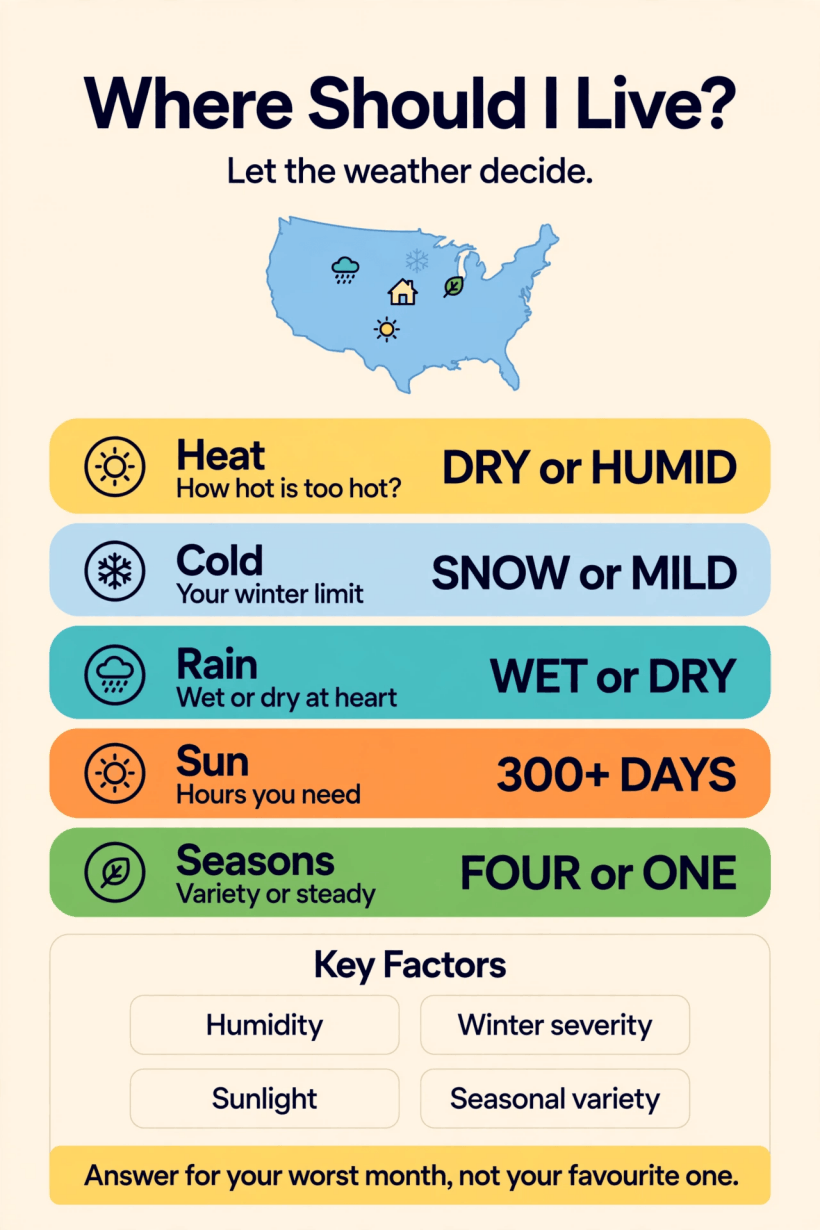
The five weather factors the quiz weighs: heat, cold, rain, sun, and seasons, plus the key factors behind every match.
2. Why Weather Decides More Moves Than Money
People usually explain a move with money: a cheaper plot, a lower rent, a better job. Yet when movers describe why a place failed, they rarely mention the mortgage. They mention the August they could not sleep, the February darkness that flattened them, or the rain that cancelled every plan they made. Weather is the one feature of a home you experience every single day, indoors and out, and it is the one feature you cannot renovate.
For tiny house dwellers the effect is doubled. A small home has thin walls between you and the climate, a small heating and cooling budget, and often a garden, an outdoor workspace, or a deck that serves as a second living room. When the weather suits you, that closeness feels like freedom. When it does not, there is nowhere inside 200 square feet to escape it. Choosing the climate first, and the floor plan second, is the order that actually matches how daily life feels.
Weather also decides what your home must be. Snow loads, insulation levels, shading, ventilation, and even which materials survive are all answers to climate questions. Move first and ask later, and you may find yourself retrofitting a house designed for a different sky. Match the climate to your temperament first, and the building decisions that follow become far simpler.
3. Heat Tolerance: Summers You Can Actually Live In
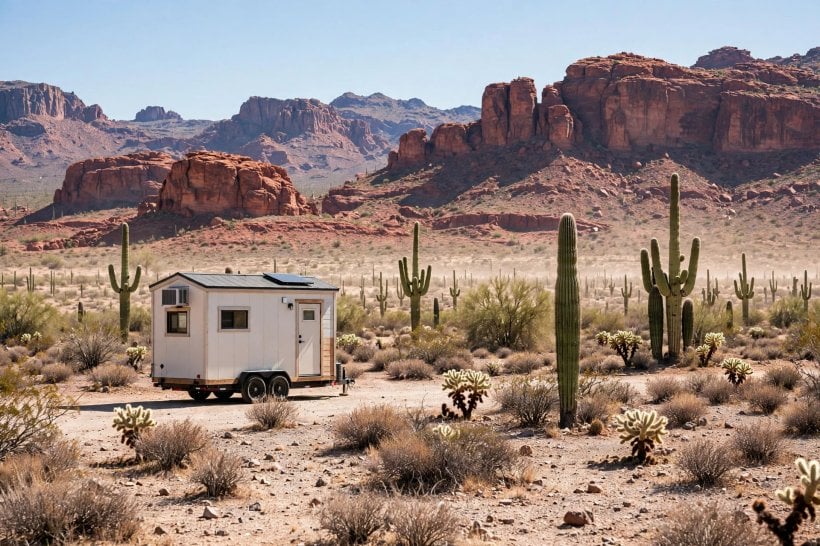
The quiz opens with temperature because heat tolerance is the most honest filter there is. Its first question separates people who genuinely love hot weather from those who merely enjoy a warm holiday week. Loving heat means loving it in month three, when the novelty has faded and the garden still needs watering. The quiz also splits heat into two different experiences: dry desert heat, the Arizona pattern, and humid tropical heat, the Florida pattern. They share a thermometer reading and almost nothing else.

Dry heat feels fierce at midday but cools at night, rewards shade, and rarely feels sticky. Humid heat follows you indoors, slows every task, and turns small spaces stuffy unless ventilation and shade are well designed. Neither is better; they are different sports. If you wilt and frizz in humidity but come alive in dry sun, the quiz will steer you very differently from a friend who finds desert air harsh and loves the soft, tropical feel.
Be honest about your real ceiling. Many people discover their tolerance is lower than their self-image, especially once air-conditioning a tiny space around the clock becomes an energy cost rather than a treat. A summer you can live in without fighting it is worth more than a famous skyline.
4. Cold and Winter Severity: Snow, Grey and Heating Bills
Cold is not one thing either, and the quiz treats it carefully. A sunny cold climate, the Denver pattern, pairs freezing temperatures with bright skies and dry air; winter feels crisp, active, and short on gloom. A gloomy mild climate, the Seattle pattern, may never freeze hard, yet weeks of grey drizzle wear down people who run on sunlight. Your nightmare answer matters here: if shoveling snow is your idea of misery, severity matters more than temperature alone.
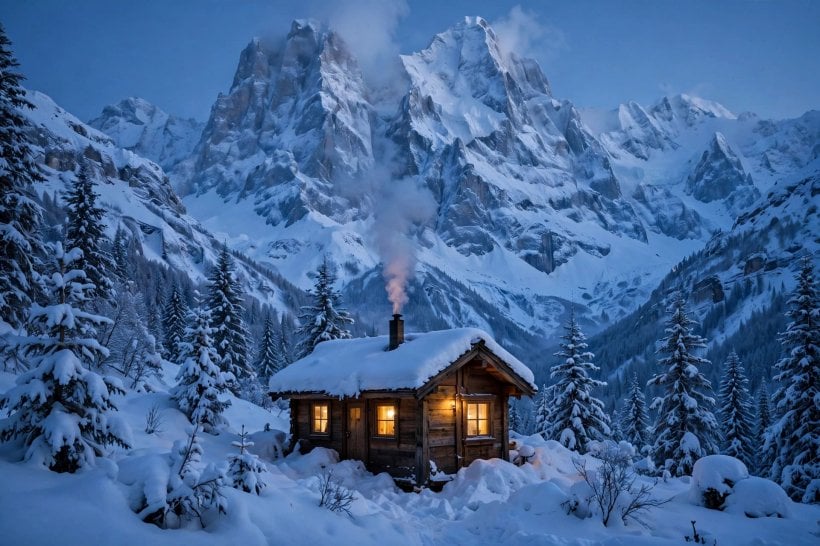
Winter severity also has a practical price. Long, hard winters raise heating bills, demand better insulation and skirting, and decide whether pipes, roads, and building schedules cooperate. Anyone weighing a cold match should read what daily life actually looks like in tiny house living in cold climates before romanticising the first snowfall, and compare tiny house plans for cold climates to see how design answers the weather.
The real question is not whether you can survive winter, but whether you still like your home in the last month of it. Cosy is a genuine preference, not a consolation prize: some people are never happier than with snow outside and a fire inside. The quiz simply asks you to claim that preference on purpose.
5. Rain, Humidity and the Dry-vs-Damp Divide
Humidity is the quiet factor that changes every other answer. The same temperature feels gentle in dry air and oppressive in damp air, and the same cold bites deeper when it is wet. The quiz asks about humidity directly because it divides the map sharply: desert regions, humid subtropical regions, and drizzly maritime regions can share a temperature range while feeling like different planets.

Damp climates reward people who love green, growing, soft-edged landscapes and who find rain cosy rather than confining. They punish people whose mood, joints, or belongings suffer in constant moisture, and they demand ventilation discipline in a small home where cooking and showers fill the air quickly. Dry climates do the opposite: brilliant light and easy outdoor living, traded against dust, water scarcity, and skin that cracks by February.
Notice that your nightmare answer often lives here. Constant rain and swampy humidity are two of the quiz’s deal-breakers, and they are opposites; plenty of people love one and dread the other. Knowing which damp you mean, drizzle or swamp, is half of knowing your climate.
6. Sunlight Hours and Seasonal Variety
Sunlight is the factor people underestimate until they lose it. The quiz offers a bright-line preference: some people need very high sunshine, hundreds of sunny days, and feel genuinely low after a grey week. Others actively love moody, foggy, book-and-tea weather and find relentless sun harsh and tiring. Both are real temperaments, and matching them honestly prevents the classic mistake of moving somewhere bright on paper and grey in practice, or the reverse.
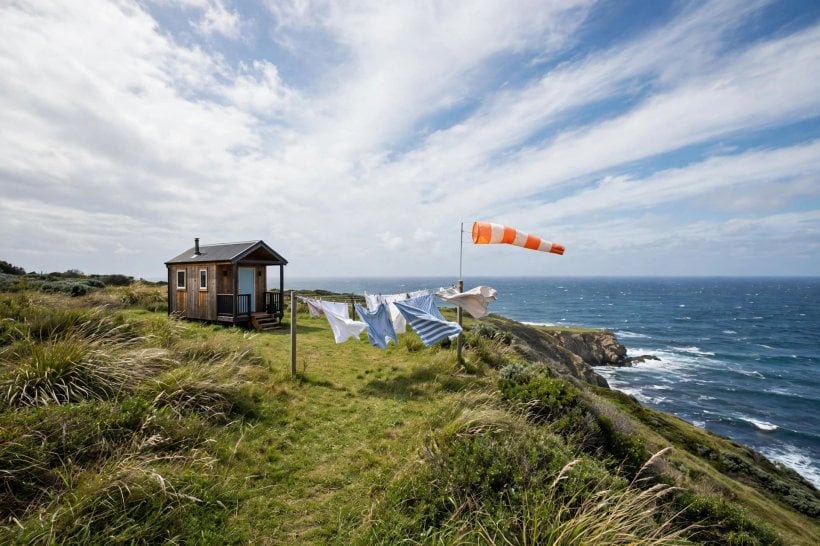
Seasonal variety is the partner question. Four full seasons give rhythm, contrast, and a garden that changes its job every few months, at the price of two wardrobes and a home that must handle both extremes. An eternal summer removes winter entirely but also removes the reset many people love. An eternal spring, cool and steady, suits those who dislike both shoveling and sweating. For tiny living, variety also means variety in how you use the house: summer on the deck, winter by the stove.
Answer these two questions for your worst month, not your favourite one. Most climates can charm you in their best season; your match is the one whose hardest season you would still choose.
7. How the Quiz Weighs Your Answers
The where should I live based on weather quiz works in five questions, each aimed at a different factor: your ideal temperature range, your humidity tolerance, your sunlight preference, how many seasons you want, and your absolute weather nightmare. That last question is the sharpest tool in the set. Preferences point in a direction, but a nightmare acts as a veto; a match that contains the one weather pattern you cannot stand is not a match, however well it scores elsewhere.
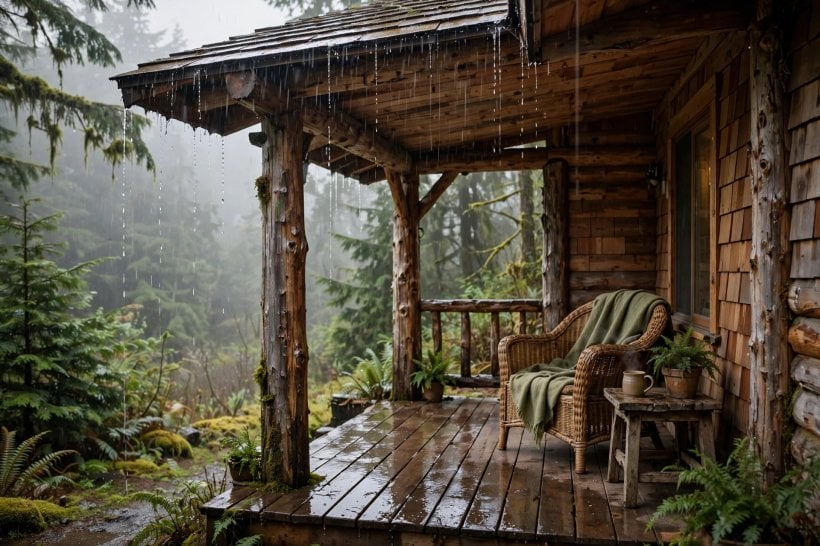
The Climate Match Engine behind it distinguishes combinations that a simple temperature question would blur. Dry heat and humid heat lead to different matches, as do gloomy mild and sunny cold, because the engine weighs humidity and sunlight alongside temperature rather than treating warmth as a single score. Your result names a matched city and shows its character at a glance, including its typical high temperature, its sunny-day pattern, and its humidity level, so you can feel the profile rather than just read a label.
Treat the questions as a set, not a sequence of favourites. The engine is matching a pattern, and the pattern is you: the combination of loving warmth, hating humidity, needing sun, and wanting four seasons describes a surprisingly specific kind of place.
8. Reading Your Result: Regions That Fit Your Profile
A quiz result is a starting point for research, not a moving date. Read it as a climate profile first and a city second: the named match is an example of a weather pattern, and the same pattern usually exists in several regions at several price points. If your profile says dry heat and big sun, desert and high-desert regions will rhyme with your result wherever you find them; established communities in such country are worth studying, as in this overview of tiny house communities in Utah. If your result leans humid and warm, compare it with tiny house communities in Florida to see how that climate shapes daily tiny living.

Surprising results deserve a second look rather than instant dismissal. Many people discover their answers describe a cooler or drier home than the one they fantasised about, because they answered for their everyday self instead of their holiday self. That gap is the quiz doing its job. Test the result against your memories: the trips you never wanted to end, the winters that felt easy, the summers that drained you.
Then widen the lens. A region that fits your weather but offers no legal tiny house parking, no workable land rules, and no community is a postcard, not a plan. The next section covers the checks that turn a climate match into a real move.
9. Beyond Weather: Jobs, Land Rules and Community Checks
Weather chooses the region; everything else chooses the exact spot. Work comes first for most movers: whether your income travels with you, whether local jobs exist in your field, and how far daily life stretches between home, shops, and services. A perfect climate with a two-hour commute is a slow leak in a happy plan.
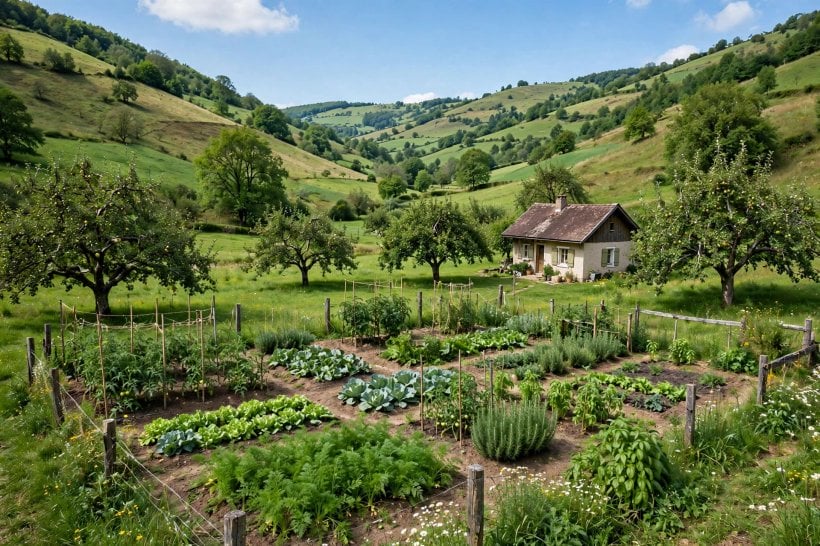
Land rules come next, and for tiny houses they are decisive. Zoning, minimum dwelling sizes, parking rules for houses on wheels, and foundation requirements vary enormously between states and counties, so verify the legal route for any specific plot before falling for it. The same climate logic should shape the build itself: this guide to planning a tiny house for snow load, desert heat, or a hurricane zone shows how regional weather becomes structural decisions, and this overview of explains how risk and cover change as you cross state lines.
Finally, community. Visit in the matched region’s worst season, talk to people who stayed through it, and rent or trial-stay before you buy land if you possibly can. The quiz narrows the map; only your own feet can finish the job.
10. Mistakes: Holiday Weather, One-Season Visits and Other Traps
The most common mistake is answering, and visiting, as a tourist. Holiday weather is a region’s showreel: the mild week, the festival weekend, the one blue-sky month. People fall for places in their best season and meet the other eleven months as strangers. Visit in the worst month your result implies, or at least research it as seriously as the best.
The second trap is answering for the person you wish you were. If you claim to love snow because it photographs well but you have never shoveled a path, the quiz will faithfully match you to a winter you will resent. The third is treating temperature as the whole story and ignoring humidity and light, the two factors that dominate daily comfort. The fourth is stopping at the result: skipping the jobs, land-rule, and community checks in the previous section turns a good match into a risky guess.
None of these traps requires money to avoid, only honesty and one extra visit. Weather is the most predictable part of a move; it is also the part people most often refuse to predict.
Final Considerations
A good climate match will not fix a bad budget or a lonely town, but a bad climate match can quietly undo a good everything-else. Five honest preferences, heat, cold, rain, sun, and seasons, plus one clear nightmare to veto the wrong answers, are enough to narrow a whole country down to the regions where your daily life will actually feel like yours. You will find the quiz directly below this article, preserved exactly as published, and it takes only a couple of minutes to complete. Answer for your worst month, read the profile rather than just the city name, and then go and stand in that weather before you commit to it. The right sky is out there; this is how you stop guessing which one it is.
The Weather Quiz
This specialized tool focuses entirely on meteorological preferences—humidity tolerance, winter severity, sunlight hours, and seasonal variety—to find your perfect climate match.
It features a “Climate Match Engine” that distinguishes between “Dry Heat” (Arizona) and “Humid Heat” (Florida), or “Gloomy Mild” (Seattle) versus “Sunny Cold” (Denver).
Weather Personality Test
Find your ideal climate in 5 questions.
Stop Guessing, Start Living
Do you crave eternal summer or cozy winters? Are you a desert lizard or a rainforest frog? Let’s find your meteorological soulmate.
1. Pick your ideal temperature range
2. How do you handle humidity?
3. Sunlight Preference
4. How many seasons do you want?
5. What is your absolute nightmare?
—
—


0 Comments