

Learning how to raise turkeys rewards patient beginners: poults begin fragile, but grow into confident, characterful birds that thrive on pasture and routine.
This guide follows the whole journey — brooding, feeding, housing and the move to free-range — with the calm, general care principles that suit a first flock.
1. How to Raise Turkeys at a Glance
Turkeys are raised in stages, and each stage has one job. Brooding keeps poults warm, dry and watched, because young turkeys are genuinely fragile. Feeding gives them the high-protein start their fast early growth demands. Housing gives big, heavy birds roomy, airy shelter with strong roosts. Free-ranging then lets growing birds exercise, forage and behave like turkeys. Keep those four stages in order and do not rush any of them, and most beginner flocks do very well. The table below is the whole season in miniature; the sections after it walk through each stage in the order you will actually meet it, from the day the poults arrive to the day the flock ranges confidently on its own.
| Stage | Focus | Why It Matters |
|---|---|---|
| Brooding | Warm and watched | Poults are fragile at the start |
| Feed | High-protein start | Supports strong early growth |
| Housing | Roomy shelter | Big birds need space and air |
| Free-range | Pasture time | Healthy, active flocks |

Raising turkeys in four stages: warm brooding, a high-protein start, roomy shelter, and pasture time for a healthy flock.
2. Poults and Your Starting Choice
Every turkey keeper starts with poults — the turkey word for chicks — and the first decision is what kind. Heritage breeds grow slowly, live naturally and can breed on the holding; broad-breasted types are bred for the table and grow fast on a tighter schedule. Neither is wrong, but they are different commitments, and beginners do best choosing deliberately: heritage birds for a lasting, ranging flock, broad-breasted birds for a defined grow-out season. The housing ideas in these turkey coop and shelter ideas will help you picture what each choice needs as adults, because poults become very large birds remarkably quickly.
Source healthy poults from a reputable hatchery or breeder, order more company than the minimum — turkeys are deeply social and a small group settles far better than a pair — and have everything running before they arrive. If you already keep chickens, plan the relationship carefully from day one; the practical discussion in can turkeys live with chickens explains the management and health reasons many keepers raise the two species side by side rather than fully mixed.
Timing helps beginners. Starting poults in spring gives young birds the whole warm season to grow strong before their first winter, and gives you forgiving weather while you learn the brooding craft.
3. Brooding Poults: Warm and Watched
Brooding is where turkey keeping is won or lost. Poults are more fragile than chicks: they chill easily, they can be slow to learn where feed and water are, and they need watching in a way chicken keepers sometimes find surprising. Set the brooder up before arrival — a dry, draft-free pen with a safe heat source creating a warm zone at one end and cooler space at the other, so poults choose their own comfort. Bedding should be clean and grippy; slippery surfaces injure young legs, so many keepers start poults on textured material for the first days.
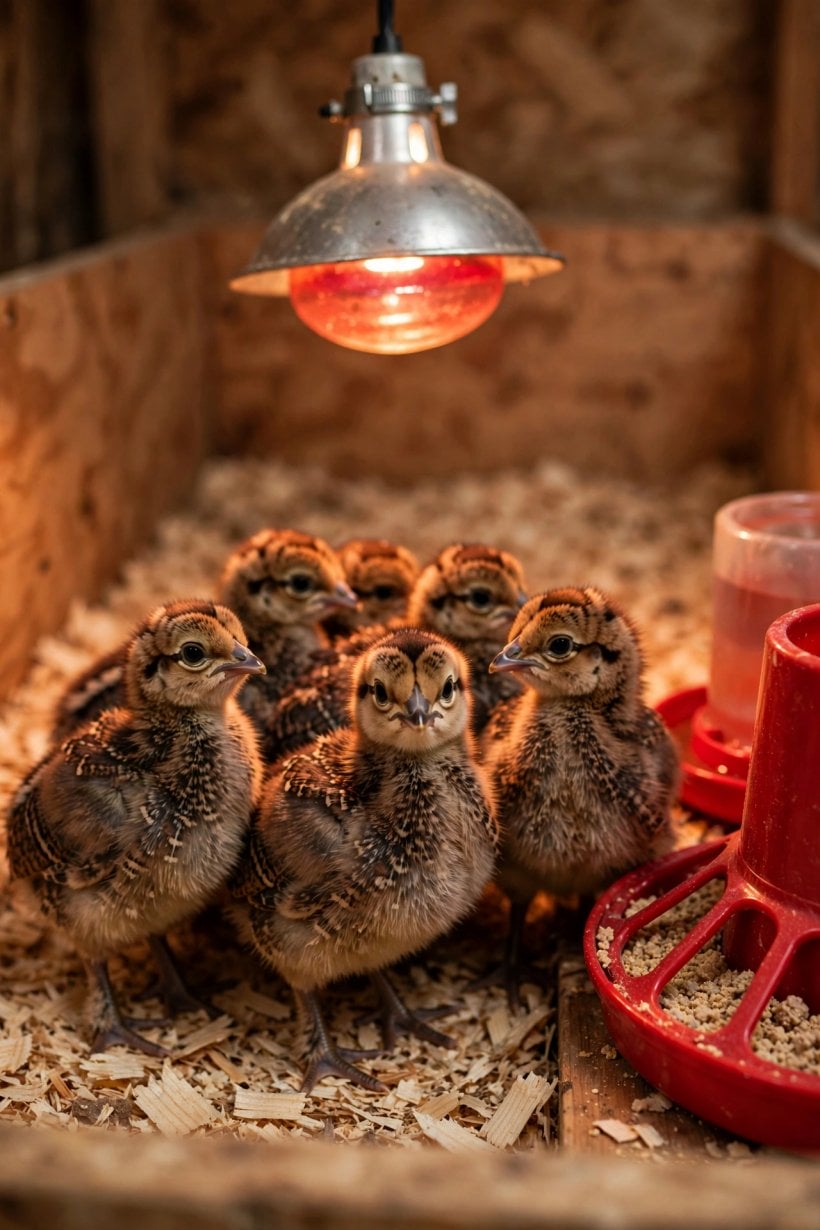
Teach them, literally. Dip each poult’s beak gently in the water as you place it, scatter starter feed on a flat surface where they can find it, and watch until you have seen every bird drink and peck. Shallow waterers they cannot climb into and chill themselves are essential, and marbles or stones in the water tray are an old keeper’s trick to attract curious pecks. The brooding principles mirror good chick practice in the how to raise chickens for beginners pillar — warmth, dryness, and constant early observation — with the dials turned up: turkeys simply need more of all three.
Read the flock daily. Poults spread evenly, cheeping softly and sleeping in loose groups are comfortable; huddled, noisy piles under the heat mean cold, and birds pressed to the far edges mean too hot. Adjust in small steps, keep feed and water impeccably fresh, and reduce heat gradually as feathers replace down, letting the birds tell you the pace.
4. Feed for Strong Growth
Turkeys are built to grow, and growing is fed. Poults start on a high-protein starter — game bird or turkey starter is made for exactly this stage — offered freely with constant clean water. As birds grow, keepers step the ration down through grower feeds toward a simpler finisher or maintenance diet for birds being kept on, always changing gradually over several days so digestion keeps up. The detailed breakdown in what do turkeys eat is the natural companion to this section once your flock is feeding confidently.
Practical feeding matters as much as the recipe. Use feeders poults and growing birds cannot climb into and foul, raise feeder and drinker height as backs grow taller, and keep feed dry and fresh — turkeys are fussy about stale or damp rations, and rightly so. A little grit available once birds eat anything beyond crumb lets their gizzards work as designed.
For ranging birds, pasture becomes part of the diet: grass, seeds and insects supplement the ration and visibly content the flock, but ranging complements a proper feed rather than replacing it, especially for fast-growing young birds. Keep the base ration consistent, let the range be the bonus, and body condition stays on track.
5. Housing and Shelter for Growing Birds
Young turkeys outgrow accommodation at a startling rate, so house for the adult bird from the beginning. Turkeys need roomy, airy shelter: high ceilings, wide doors — they will not duck politely — and floor space that lets big birds turn, settle and escape each other. Ventilation matters enormously for these heavy, warm birds; a shelter that flows fresh air above roost level while staying dry underfoot keeps respiratory health and litter in good order.
Roosts must be honest structures. Turkeys are heavy and they roost high by preference; sturdy, broad perches at a height they can reach in easy stages, built like small timberwork rather than poles, carry them safely. Nesting and breeding arrangements matter only for heritage flocks kept on, but floor space and a quiet corner are worth planning even in a first season. Keepers designing from scratch can borrow proportions from these chicken coop plans for small homesteads and scale every dimension up — doors, perches, pop-holes — with a turkey in mind.
Site shelter on dry, drained ground with the yard falling away from the door, and give yourself wide access for bedding barrows and cleaning. As with every species on the holding, the shelter that is easy to service is the one that actually gets serviced.
6. Roosts, Range and Daily Behaviour
Turkeys are more expressive than beginners expect. A settled flock grazes, dust-bathes, displays, argues briefly and naps in the sun; toms gobble, hens keep up a running commentary of soft calls, and the whole group investigates anything new with stately suspicion. Learning this normal soundtrack early is what lets a keeper hear the wrong note — silence, separation, a bird hunched and apart — on the day it first sounds.
Give the flock furniture. Roosting bars outside as well as in, stumps and low platforms, a dust-bathing patch of dry soil in the sun, and shade they can all fit under at midday make a yard turkeys use fully. The enrichment logic is the very one set out in these chicken run ideas — space, shade, dust and things to do — simply built at turkey scale, with everything stronger and further apart.
Handle birds calmly and rarely. Turkeys herd better than they chase: a slow keeper with outstretched arms and a stick guide walks a flock where it needs to go, while grabbing and rushing teaches birds to fear you. Most keepers find their turkeys become almost embarrassingly tame, following them around the holding like feathered assistants — which is charming, and also genuinely useful at weighing, checking and moving time.
7. Moving Birds Out to Free-Range
Free-ranging is the reward stage, and it should be earned gradually. Young birds move out first into a secure pen attached to their shelter — close enough to run home, interesting enough to explore — once they are well feathered and the weather is settled. Short sessions in the best part of the day come first; turkeys, especially young ones, are vulnerable to chilling in cold rain, and a soaked young bird is a bird in trouble.
Widen the world in steps. As confidence and feathering grow, so does the range: portable fencing moved to fresh pasture keeps birds on clean ground and spreads their manure as fertiliser instead of a burden. Always range with shelter and water available, always with the flock able to come in, and always with the evening routine bringing them home to roost indoors — a habit built from the first week outdoors and never regretted.
Expect the flock to develop favourite circuits — the sunny bank, the hedge line, the dust patch — and arrange water, shade and your own paths around them. Ranging turkeys are a picture of contentment, and watching them work a pasture tells you more about their health than any inspection: spread out, active, vocal and curious is the flock you want to see.
8. Health Checks and Common Worries
Turkey health rests on the unglamorous trio: dry ground, clean water and space. Most beginner worries trace back to one of the three — damp litter, fouled drinkers, or young birds kept too long on ground other poultry have used heavily. Rotate pens, rest ground, and keep turkeys, particularly young ones, on the cleanest pasture you have; prevention in this species is worth far more than cure.
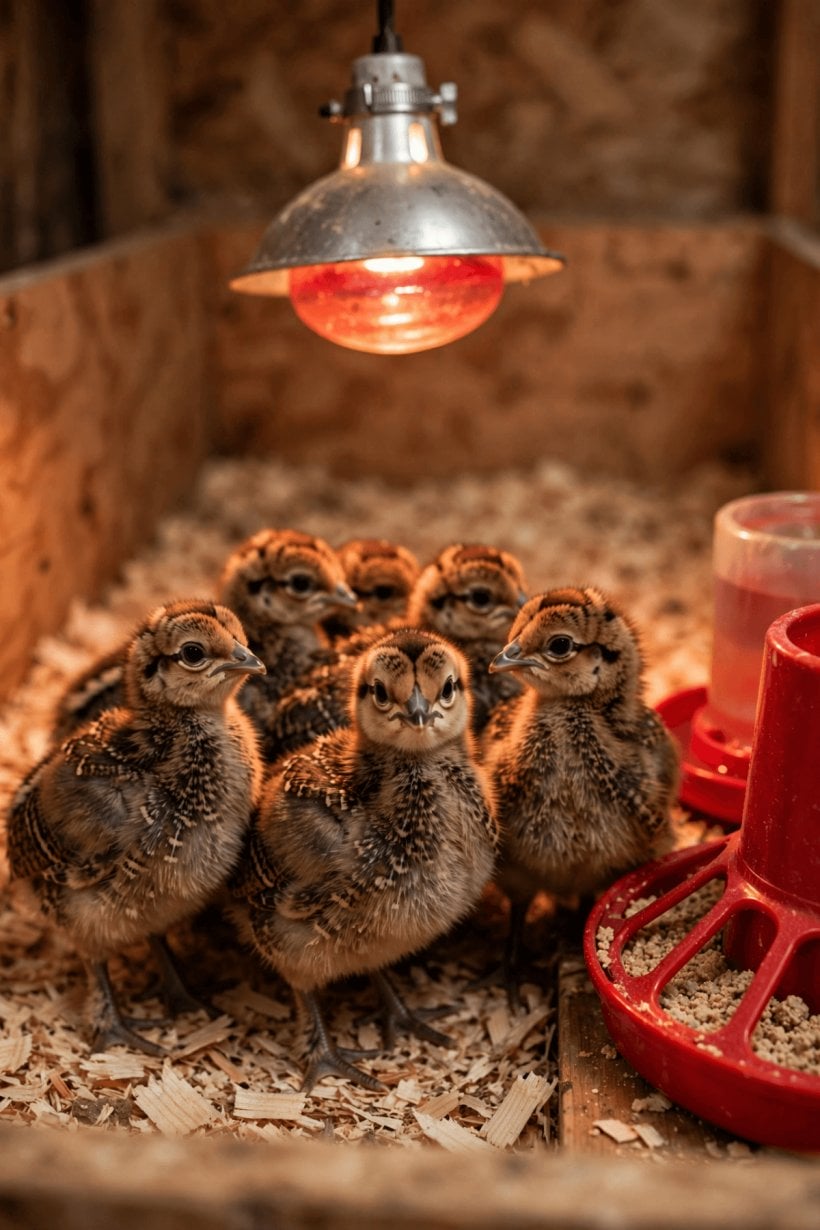
Check birds the keeper’s way: watch first, handle second. A healthy turkey is bright, active and interested in feed; drooping wings, a tucked head, discoloured droppings or a bird separating itself deserve prompt attention, isolation if needed, and proper advice — your vet or an experienced local keeper — rather than guesswork. Keep notes of ages, feeds and any losses; patterns spotted early are the ones you can still act on.
Know your local rules and realities, too: talk to neighbouring keepers about what circulates in your area, keep new birds apart before mixing, and practise the simple biosecurity of dedicated boots and washed hands between groups. None of it is dramatic; all of it, together, is what experienced keepers mean by good management.
9. Predators and Night Security
A ranging flock by day must be a shut-in flock by night. Turkeys are big, but sleeping and young birds are vulnerable, and predators from foxes to dogs to climbing hunters all test turkey housing eventually. Wire must be strong and small-meshed at the base, doors latched with fastenings that clever paws cannot work, and any roof gap — turkeys roost high and raiders climb — meshed honestly. The full defensive checklist in the chicken predator protection guide applies to turkeys almost line for line, at a heavier gauge.
The pop-hole routine is the daily keystone: every bird in, counted, and shut in before dusk, every night, without exception for weather or tiredness. Turkeys left to roost out in trees are making their own arrangements with the local wildlife, and it rarely ends in the keeper’s favour. A short evening round — count, water, doors, a look at the wire — is the cheapest insurance in the whole enterprise.
Daytime ranging has its own watchfulness: known dog pressure, aerial predators for young birds, and fencing that keeps turkeys in as firmly as it keeps trouble out. Electric netting, properly used and moved with the flock, is the ranging keeper’s standard tool for a reason.
10. From Grow-Out to a Settled Flock
By the end of the first season the transformation is remarkable: the fragile poults are confident, full-feathered birds with established routines and strong opinions. Keepers raising table birds will be following their grow-out plan to its conclusion; keepers building a heritage flock now make their breeding selections — keeping the calmest, soundest, best-grown birds — and settle the flock into its adult housing and winter routine.
This is the moment to review the whole system while the season is fresh: what brooding change would you make, where did mud gather, which fence corner got tested, how did the feed stages go? A page of notes now is next year’s head start, and the planning framework in this homestead livestock layout guide helps turn those notes into ground and housing improvements before spring.
Many flocks then become part of a mixed smallholding, and the comparisons come naturally — waterfowl keepers will recognise the staged pattern in the guide to raising ducks for beginners, because all young poultry ask for the same things in the same order: warmth, the right feed, room, and then the wide world, granted gradually.
Final Considerations
Raising turkeys well is a sequence, not a secret: brood them warm and watched, feed for the growth they are built for, house them largely and airily, and open the range to them step by step. Keep the ground dry, the water clean, the nights secure and your own observations daily, and beginners discover what experienced keepers already know — turkeys are not difficult birds, just honest ones, repaying every bit of the care their size and character deserve.


0 Comments