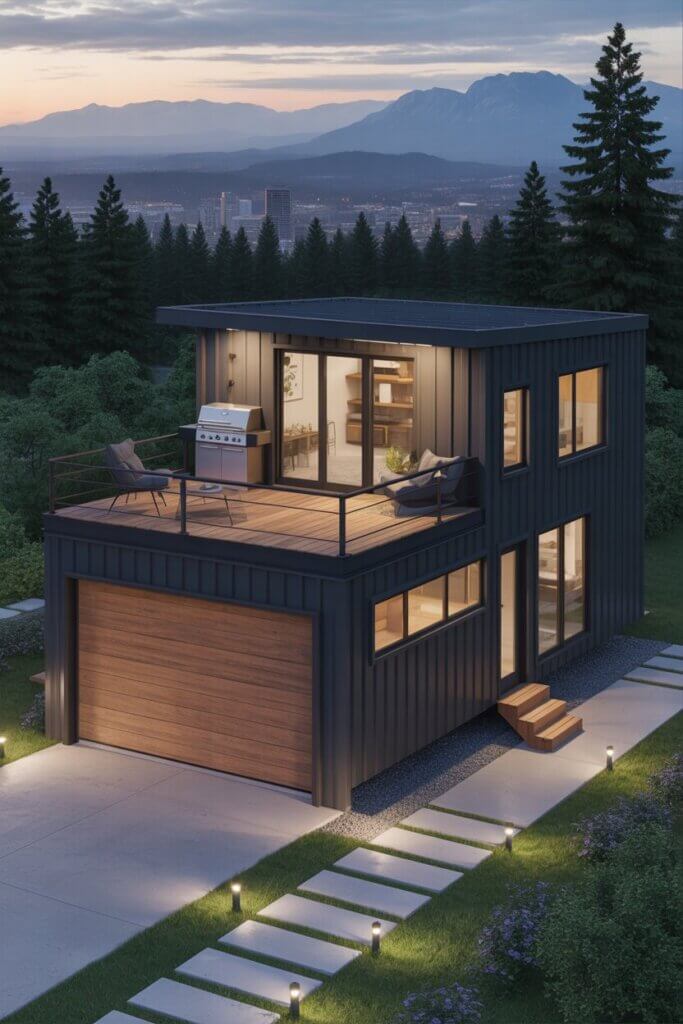
Discover 10 engineered tiny house floor plans with rooftop decks. Navigate DOT height limits, structural loads, waterproof sleeper systems, and collapsible guardrails for THOWs.


Faheem Rafique has lived completely off-grid for over 10 years. Begin your off-grid exploration with him, where his decade of entrepreneurial excellence serves as a lighthouse for your next sustainable life odyssey. He's 32, independent, solar-powered, living in an eco-friendly remote village.
Discover 10 engineered tiny house floor plans with rooftop decks. Navigate DOT height limits, structural loads, waterproof sleeper systems, and collapsible guardrails for THOWs.
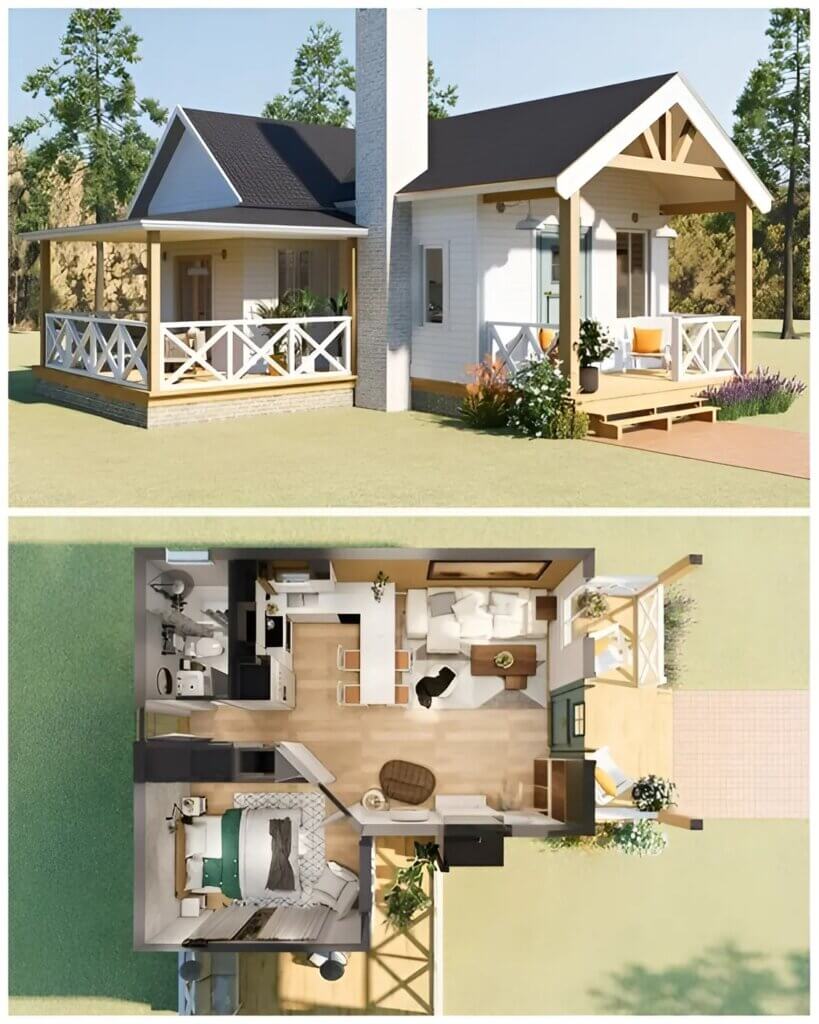
Explore 10 innovative L-shaped tiny house floor plans designed to create distinct living zones, private outdoor spaces, and efficient layouts.
Discover 10 innovative 3-bedroom tiny house designs under 600 square feet, including lofted, modular, U-shaped, and space-saving floor plans. Explore practical layouts, IRC considerations, structural solutions, and engineering tips for creating a comfortable, code-conscious small home.
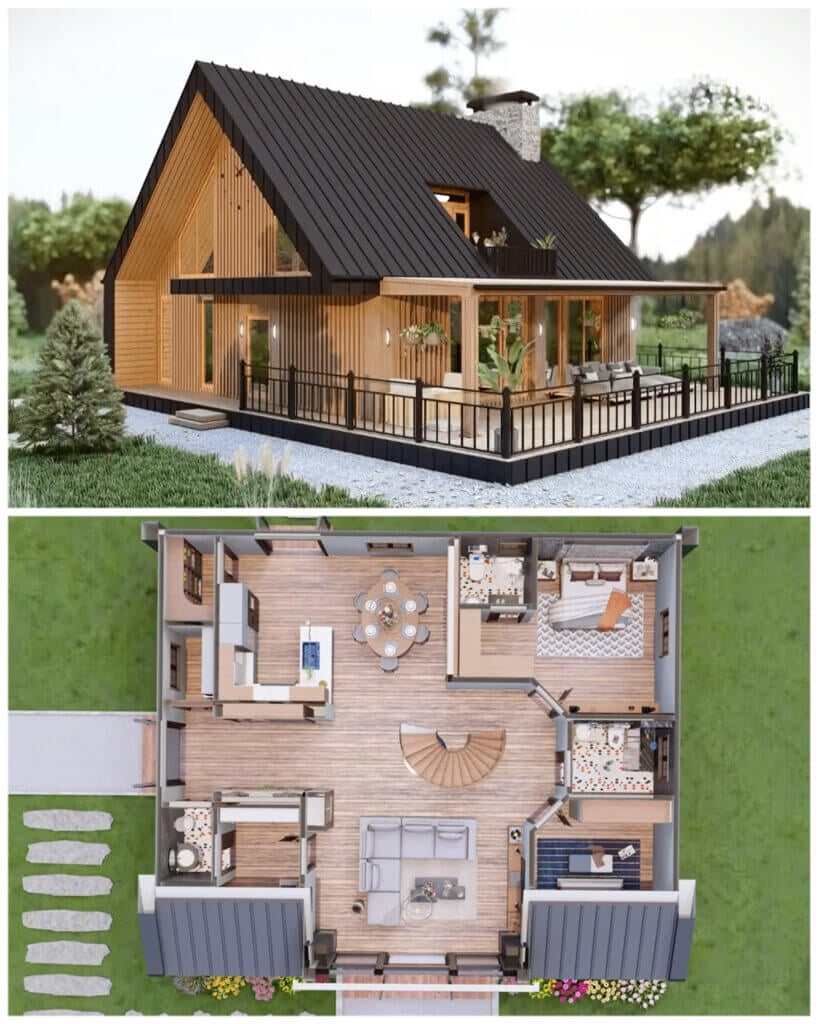
xplore 10 engineered 2-bedroom tiny house floor plans for compact family living. Split-bedroom, Jack-and-Jill & ADA-accessible THOW/ADU designs.

Explore 20 engineered 400 sq ft tiny house floor plans for permanent foundation ADUs. Open studios, split bedrooms & ADA-accessible cottage designs.

Explore 20 engineered 300 sq ft tiny house plans with double lofts for families. THOW & foundation designs with smart storage, HVAC zoning & IRC compliance.

Explore 10 engineered 200 sq ft tiny house floor plans with downstairs bedrooms. Perfect for aging-in-place, accessibility, and THOW or ADU builds.
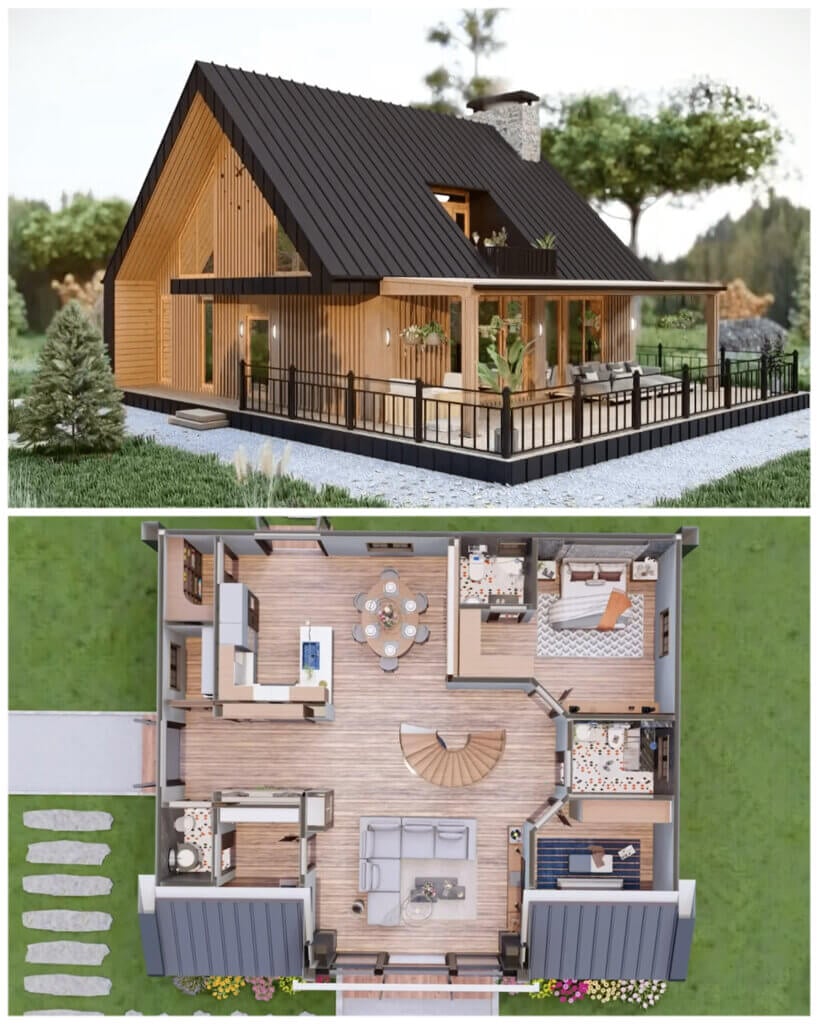
Explore 10 engineered 100 sq ft tiny house floor plans designed for THOWs, ADUs, and off-grid living. Maximize every inch with lofts, wet baths & smart storage.

Discover practical tiny house organization strategies to maximize storage, reduce clutter, and make every square foot more functional and stylish.
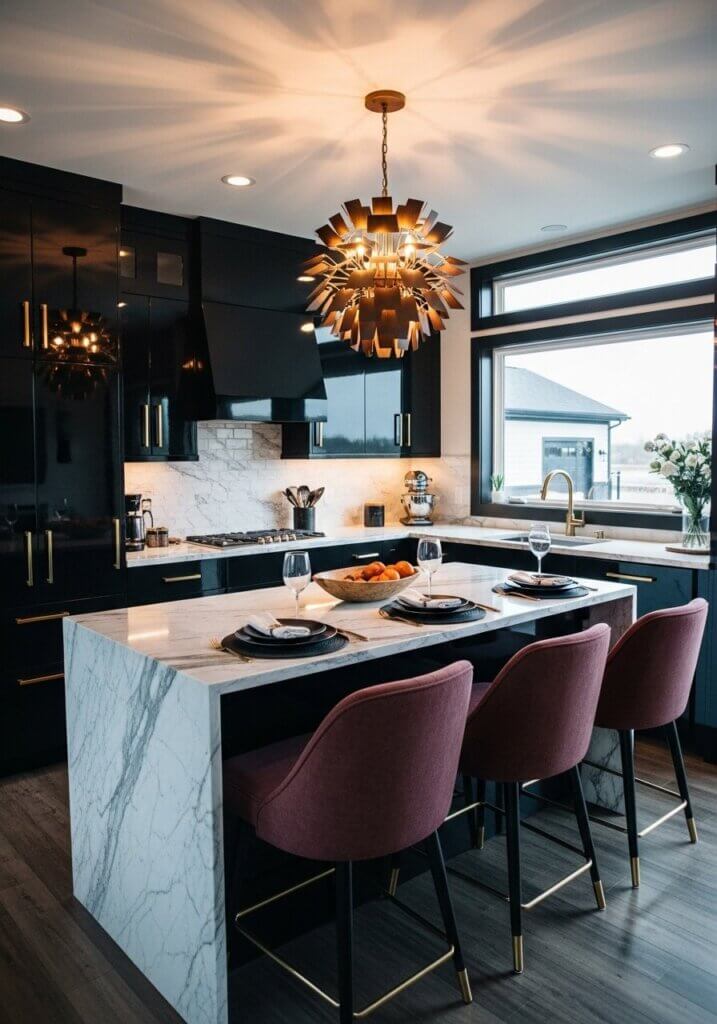
Discover inspiring home design ideas and expert tips to transform every room in your space into a stunning, functional, and modern sanctuary.
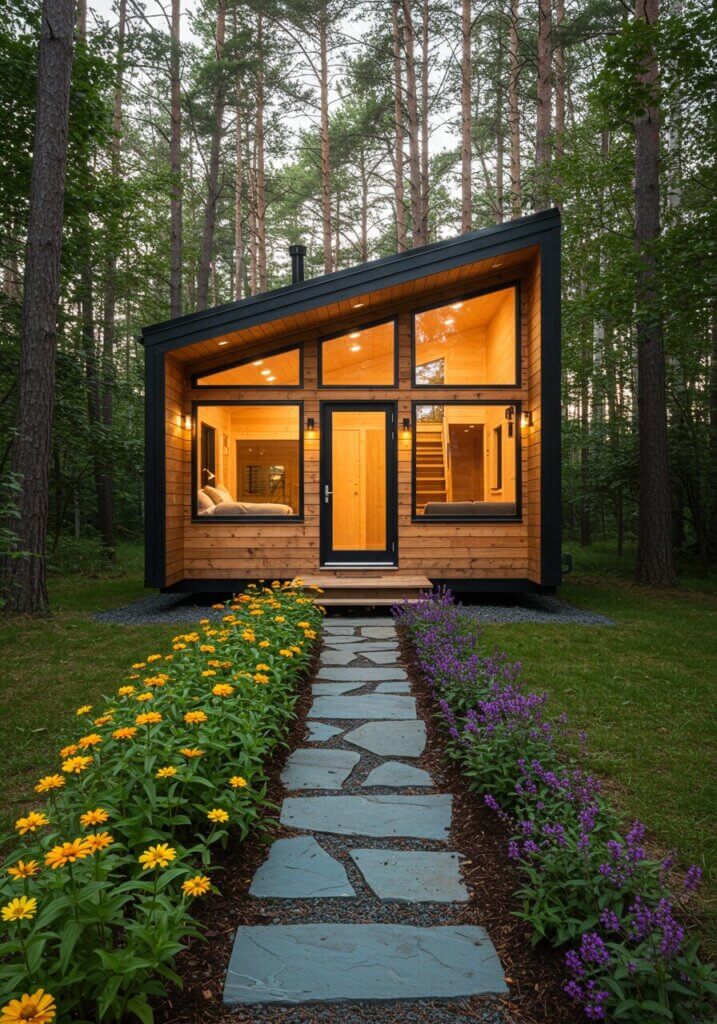
Find tiny homes for sale near me! Interactive directory of 25+ verified tiny house builders, custom manufacturers, and prefab homes across America.

Calculate your BMI instantly with our free Body Mass Index calculator designed for tiny house dwellers. Track health goals while living small & healthy.

Calculate your semester and cumulative GPA instantly! Free GPA calculator designed for tiny house students. Track grades, credits, and academic progress.

Find tiny house communities near you! Interactive map of 50+ legal tiny home villages, RV parks & off-grid homesteads across America. Search by state now.

Thinking about a tiny house? Smart move. Less space. Less stress. But what about the loan? That’s where a tiny house mortgage calculator helps.

Ever thought about living in a hobbit house? You’re not alone. Round doors. Warm wood. A home that feels calm the moment you step inside.

Think of a tiny house floor plan like choosing the right diamond cut. The shape changes everything. One story keeps life simple. Two stories add privacy. More bedrooms mean more comfort for families or guests. Your lifestyle sets the rules, not the square footage. Keep reading to see how the right floor plan can turn a tiny home into a place that truly works for you. This tool acts as a “Virtual Architect Consultation.” Instead of browsing hundreds of plans, the user answers 4 key questions about their life (Family size, Mobility, Travel habits, and Style), and the tool recommends…
Siding gets all the glory, but Trim does the heavy lifting. Corner boards, window surrounds, and fascia are the first line of defense against water intrusion. They also take the brunt of the sun and rain. For decades, wood (Cedar or Pine) was the king. But in the modern tiny house movement, Cellular PVC (plastic) has become a top contender. This guide breaks down the pros and cons of each material to help you choose the right frame for your tiny home. The Contender: Cellular PVC (Azek, Veranda) Cellular PVC is an extruded plastic that looks and cuts exactly like…
A 6-foot sliding glass door is the dream feature for many tiny house owners. It opens up the space, floods the room with light, and creates that coveted indoor-outdoor flow. But putting a 150-pound sheet of glass on rollers and subjecting it to a 60 MPH earthquake (towing) is a recipe for disaster if you aren’t prepared. Standard residential sliders are designed to sit still. On the road, the heavy sliding sash acts like a battering ram, and the frame can twist, causing the glass to shatter. This guide covers the mandatory upgrades and travel protocols needed to keep your…

In a standard 2,500-square-foot home, a Dutch door (or “stable door”) is a cute farmhouse accent. In a Tiny House, it is often a strategic functional choice. When your floor plan is only 200 square feet, every door swing and ventilation source matters. A door that splits horizontally, allowing the top to open while the bottom stays shut, solves unique problems that standard doors cannot. This guide explores the pros, cons, and waterproofing realities of installing a Dutch door on a house that moves. The Pros: Why Tiny House Owners Love Them 1. Ventilation Without Sacrifice In a tiny house,…
There is no feature more whimsical or “Hobbit-like” than a living green roof. It turns a boxy tiny house into a piece of the landscape. It provides incredible sound insulation against rain and keeps the house cool in summer. But in the world of Tiny Houses on Wheels (THOWs), a green roof is arguably the most dangerous feature to add if you don’t understand the physics. Why? Because dirt is heavy. This guide breaks down the structural reinforcement and specialized waterproofing needed to safely haul a garden down the highway. The Math: Calculating the “Dead Load” Standard residential roofs are…
For many tiny house dwellers, “Water Independence” is the ultimate goal. You want to park off-grid and live off the sky. While buying a tank and a pump is easy, designing your roof for optimal collection is often overlooked. The Pitch (Slope) and Shape of your roof dictate not just how much water you catch, but how clean that water is. This guide explores the physics of roof angles for rainwater harvesting on a Tiny House on Wheels (THOW). The Golden Rule: Metal is King Before debating angles, we must settle the material. For rainwater harvesting, Metal Roofing (Standing Seam…
Corrugated metal (and its cousin, “Box Rib”) is the darling of the modern tiny house movement. It’s lightweight, durable, fire-resistant, and relatively affordable. But once you buy the panels, you face a major design decision: Which way do the ribs run? Orienting your panels vertically or horizontally isn’t just an aesthetic choice—it fundamentally changes how your house handles water and how you frame your walls. Option A: Vertical Orientation (The Classic Barn Look) This is the most common installation method for agricultural and commercial buildings, and for good reason. 1. Water Shedding: Superior 2. Aesthetic Impact 3. Installation & Framing…
In the world of tiny houses, no exterior finish captures the “storybook cottage” or “rugged cabin” vibe quite like Cedar Shakes (shingles). They add incredible texture, smell amazing, and silver-out beautifully over time. But before you order a pallet of Eastern White or Western Red Cedar shakes, you need to ask yourself one question: Can my trailer handle the weight? This guide breaks down the aesthetic value versus the structural reality of installing shakes on a Tiny House on Wheels (THOW). The Aesthetic Value: Why We Love Them Cedar shakes offer a depth that lap siding simply cannot match. The…
One of the most iconic looks for a tiny house is natural Western Red Cedar siding. It looks warm, inviting, and organic. However, keeping wood looking like wood is a battle against the sun. When choosing a finish for your tiny house exterior, you are really choosing your future maintenance schedule. Do you want to re-coat every year, or every 7 years? Do you want to scrub a surface, or scrape peeling flakes? This guide breaks down the three main contenders: Clear Coats, Stains, and Paints. 1. The “Natural Look” Trap: Clear Sealers Many first-time builders want to keep that…
When you park your tiny house in a new location—whether it’s a friend’s backyard or a remote BLM campsite—darkness can be unnerving. Security lighting is your first line of defense. It deters prowlers and keeps you from tripping over your trailer tongue at night. But unlike a standard home where you just wire a floodlight to 120V AC, a Tiny House on Wheels (THOW) has specific constraints: Power Availability and Road Aerodynamics. This guide compares the two main strategies: Stick-on Solar vs. Integrated 12V Systems. Option A: Solar Motion Lights (The Quick Fix) These are the all-in-one units you see…
In a standard 2,000-square-foot home, if it starts raining, you just close the windows and let the HVAC handle the air. In a Tiny House, you don’t have that luxury. With such a small volume of air, moisture from cooking, showering, and breathing builds up incredibly fast. If you seal your house up tight every time it drizzles, you will quickly develop condensation issues and mold. You need to be able to ventilate even when the weather is bad. This brings us to the great window debate: Awning vs. Sliding. The Contender: Sliding Windows Sliding windows (gliders) are the default…
A rooftop deck is the ultimate space-saving hack for a tiny house. It doubles your outdoor living area without increasing your footprint. But to get up there, you need a hole in your roof that doesn’t leak. Installing a Roof Hatch (or egress skylight) is a high-stakes project. If a window leaks, you ruin some drywall. If a roof hatch leaks, you ruin your ceiling, insulation, and potentially your subfloor. This guide covers how to select, frame, and flash a roof hatch specifically for a Tiny House on Wheels (THOW). The Height Restriction Challenge Before you cut a hole in…
A tiny house can feel twice as big with a good deck. But hauling a separate trailer for your porch is a logistical nightmare. The solution? The Folding Deck. By attaching the deck permanently to the house and hinging it upwards (like a medieval drawbridge) for travel, you carry your outdoor living space with you. However, this is a complex structural feature that requires careful engineering to ensure it doesn’t rip off your wall or exceed legal road width. The Width Restriction Challenge Before you buy a single hinge, do the math. Mechanism 1: The Manual Fold-Up (Small Decks) For…
The “A-frame” or tongue of your tiny house trailer is prime real estate. It is the perfect spot to house the ugly, heavy, and potentially dangerous systems that you don’t want inside your living space: Propane Tanks and Batteries. However, you cannot simply throw a plywood box together and call it a day. Propane and batteries have very specific—and conflicting—safety requirements. This guide covers how to design and build a custom tongue box that adds curb appeal while keeping your tiny house safe and legal. The Golden Rule: Separation of Church and State If you plan to store Propane and…