

It is just a small oval seal near the front door, easy to miss on a walk-around. But that seal decides whether a bank will lend on the house, whether an insurer will cover it, whether an RV park will let you through the gate, and what the house will sell for later. RVIA certification is the most consequential credential in the tiny house on wheels world — and the least understood.
RVIA Certification: At a Glance
A tiny house on wheels lives in a gap between two regulated worlds. It is not built under a housing code like a site-built home, and it is not mass-produced like a car — so lenders, insurers and park managers have no ordinary way to judge whether one is safe. The seal beside the door is how the industry answers that problem: the house was built to a national standard, by a manufacturer inside an inspection program, and checked during construction by an accredited third-party agency. Where the house then goes — titling and registering it as a recreational vehicle, as our guide to how to register a tiny house as an RV explains — builds on that same foundation of verifiable compliance. The ten sections below unpack what the seal actually certifies, what the standard requires, why lenders, insurers and parks each demand it, what it costs, why DIY builders effectively cannot get it, how to verify a real one when buying, and — just as important — what it does not do.
| Topic | What It Covers | Key Fact |
|---|---|---|
| 1. What the Seal Is | A member manufacturer, a national standard, third-party inspection | The manufacturer — not the house — holds the membership |
| 2. What NFPA 1192 Requires | Electrical, propane, egress, fire and structure rules | Every sleeping area needs a secondary escape |
| 3. Why Lenders Require It | Standardised collateral a bank can price | Uncertified means unpriceable as an asset |
| 4. Why Insurers Require It | Known loss profiles across thousands of units | The seal saves $300–800 a year in premiums |
| 5. Why RV Parks Require It | The park’s own insurance, permits and liability | “Certified only” is standard policy in busy markets |
| 6. What It Costs | Manufacturer fees passed through in the price | Roughly $3,000–6,000 per unit to the builder |
| 7. The DIY Question | Why owner-builders cannot join the program | Build to the standard voluntarily instead |
| 8. How to Verify It | Seal number, certificate, member directory, build date | “Compliant” is meaningless; “certified” is verifiable |
| 9. What It Does NOT Do | Not a code approval, warranty or quality promise | Zoning still decides where the house may sit |
| 10. The Decision Tree | Buying new, buying used, or building your own | Discount uncertified used units 15–25% |
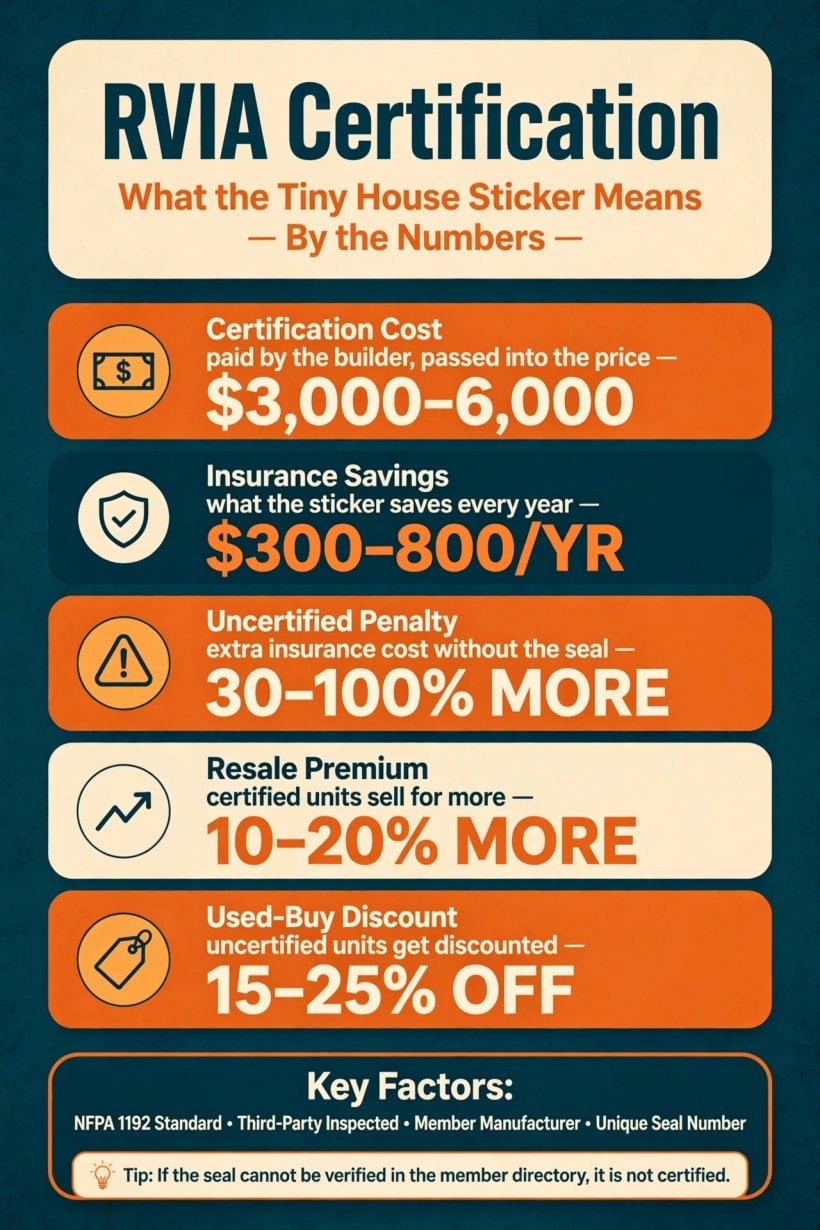
The economics of the seal in five numbers: what it costs the builder, what it saves on insurance every year, the penalty for going without it, and the premiums and discounts it creates at resale.
1. What the Certification Actually Is
RVIA stands for the Recreational Vehicle Industry Association, and its certification means a tiny house was built by an RVIA-member manufacturer to NFPA 1192 — the Standard on Recreational Vehicles — and inspected during construction by an accredited third-party inspection agency. One subtlety matters more than any other: the manufacturer, not the house, is the member. The certification applies to each unit built under that manufacturer’s inspection program, which is why the same model from the same builder carries the seal while a one-off copy of it never could.
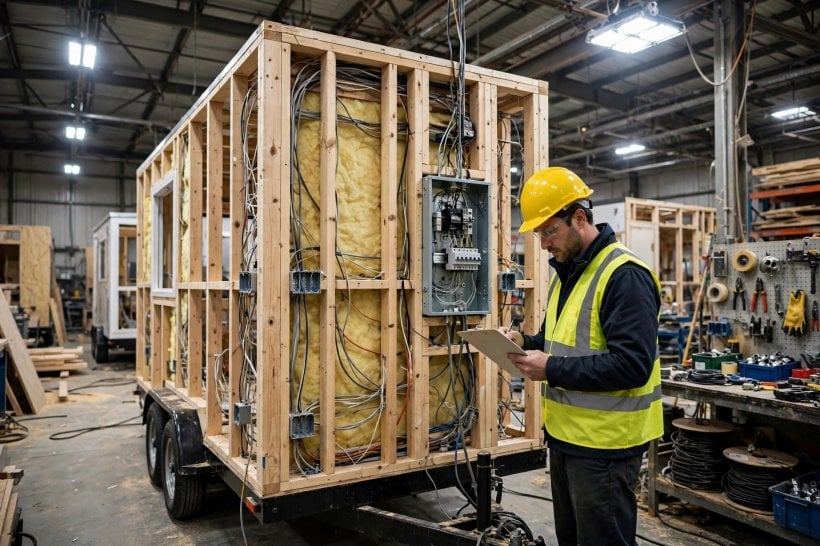
The seal certifies compliance with standards covering electrical systems, plumbing, propane, fire safety, egress, structural integrity and weight ratings. It is, in effect, the RV industry’s self-regulation system — an industry policing its own product to a published standard, with outside inspectors doing the checking. That structure is precisely why the seal carries weight far beyond the industry itself: lenders, insurers and parks nationwide recognise it, because none of them has to take the builder’s word for anything. The verification happened during construction, by someone with no stake in the sale.
2. What NFPA 1192 Requires: The Highlights
The standard itself runs to hundreds of pages, but a handful of provisions shape tiny house design more than all the rest. Electrical systems run 120V AC built to RVIA and NEC Article 551 standards, with a proper panel, GFCI protection and listed fixtures. Propane installations require sealed combustion appliances, leak-tested lines, detectors, and shutoffs accessible from outside the house. Fire provisions demand smoke, CO and propane detectors, a fire extinguisher, and flame-spread ratings on interior finishes. And the structural provisions require the house to handle transport loads — the inspection considers the road vibration and wind a house on wheels will meet in its life.
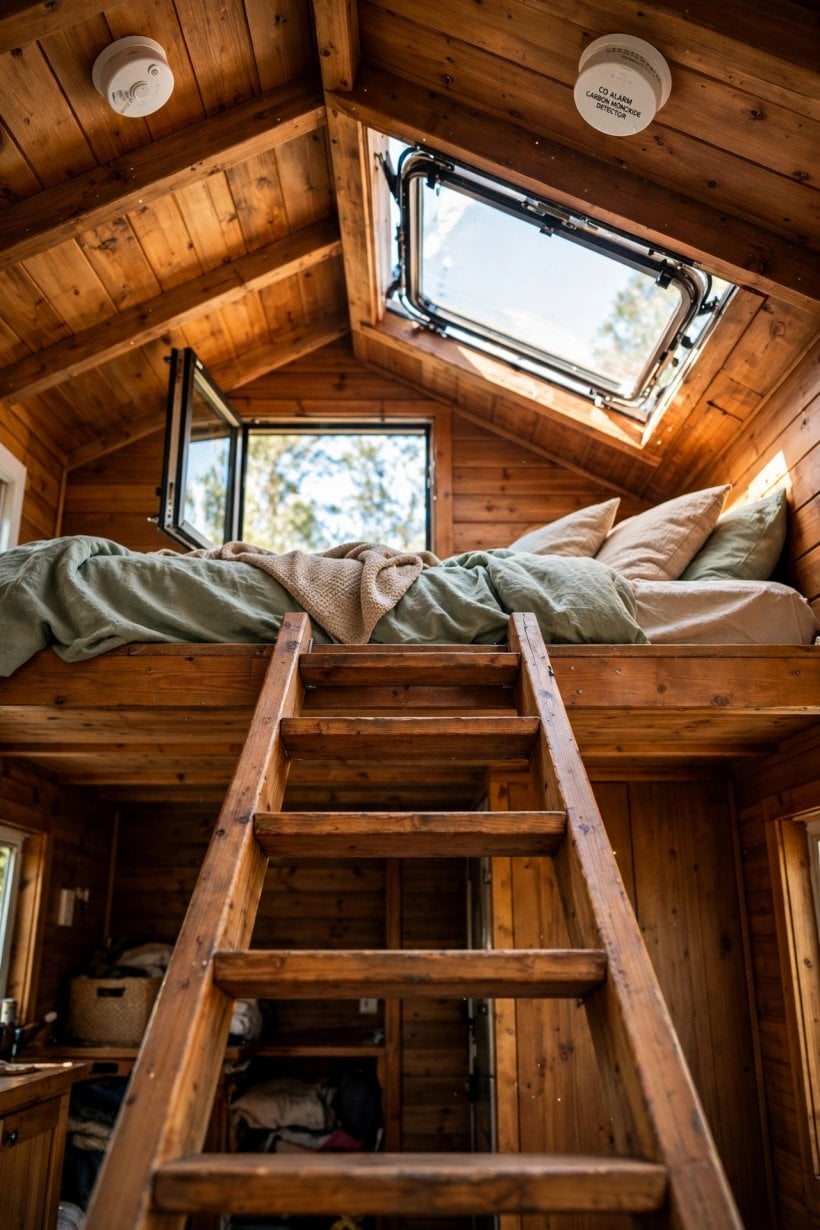
Egress is the provision a buyer can see. Every sleeping area needs a secondary escape — an egress window or door meeting the size requirements — which is why certified lofts have their distinctive egress windows or roof hatches. Follow the ripples and the standard is quietly designing the whole house: it shapes the floor plan through those escape routes, restricts the systems to listed appliances only, and reaches even into the finishes through flame-spread-rated panelling. Uncertified DIY builds often violate several of these provisions unknowingly — not from carelessness, but because nobody ever showed the builder the list.
3. Why Lenders Require It
An RV lender financing a certified tiny house knows three things about the collateral before the file is even opened: the house meets a national standard, it was inspected during construction, and it comes from a verifiable manufacturer. That combination standardises the asset. The lender can compare it against thousands of similar units, price the risk of lending against it, and know what it would fetch if it ever had to be sold. Certification is what converts a house from “someone’s project” into a standardised asset class inside the lender’s system.
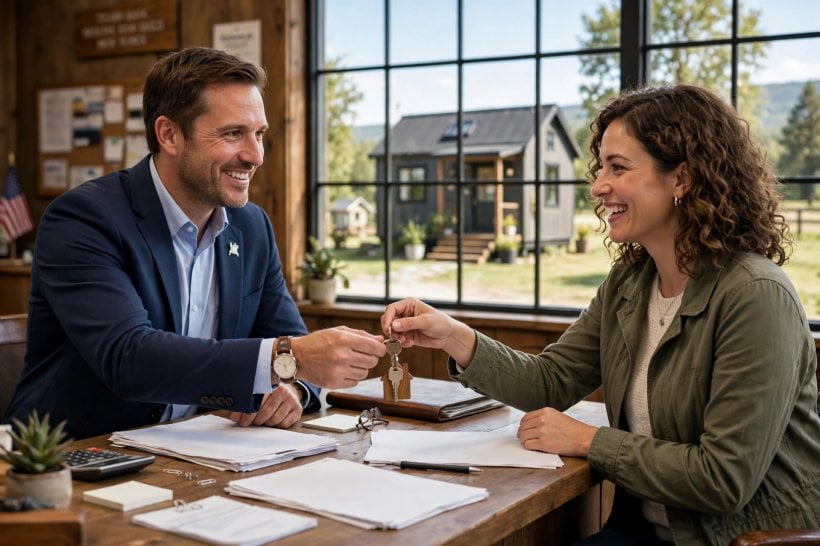
Set that against the uncertified house, which presents to the same lender as a homemade trailer of unknown quality — unpriceable as collateral. This is not prejudice against small houses or DIY builders; it is risk management doing what risk management does. A lender cannot lend responsibly against an asset it cannot value, and it cannot value what was never inspected. The practical consequence runs through every loan product in our breakdown of how to finance a tiny house: the RV loan door opens with the seal and stays shut without it.
4. Why Insurers Require It
Insurers run the same logic from the other side of the risk. RV insurers underwrite thousands of certified units whose loss profiles are known — they have the claims history to know how often these houses catch fire, leak, or come off a hitch, and what each event costs. An uncertified tiny house offers an underwriter none of that: no loss history, no construction standard, no inspection record. Faced with a risk that cannot be priced, the underwriter’s rational answer is to decline it.

The exceptions prove the arithmetic. Specialty insurers that do accept uncertified units charge 30–100% more for the privilege, and cap the coverage they will offer — the buyer pays more to be covered for less. Run the comparison the other way and the seal is worth $300–800 a year in insurance savings alone, every year the house is insured. The two cover types are compared in detail in our tiny house insurance guide for wheels vs foundation, and in both of them the certified house on wheels starts from the stronger position.
5. Why RV Parks Require It
The park manager’s demand for the seal is the least personal of the three, because it is usually not the manager’s choice at all. RV parks admit certified tiny houses because their own insurance policies and local permits often require it — an uncertified unit is a liability the park cannot accept without endangering the cover and permissions the whole business runs on. When a park says no to an uncertified house, it is frequently protecting its own paperwork, not judging your build.
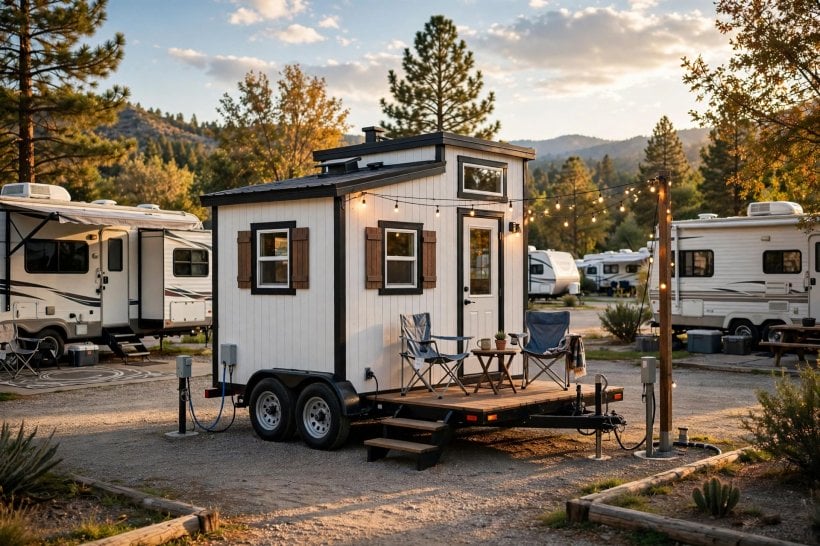
Certification also works as a quality filter, and managers use it as one: it screens out the most dangerous DIY builds before they are plugged into the park’s pedestals and parked beside other people’s homes. In competitive markets, “RVIA-certified only” is simply standard policy, posted without apology. Without the seal, your parking options shrink to private land and the most lenient parks — which is why anyone planning a park-based life should browse the tiny house-friendly RV parks landscape with the certification question asked first, not last.
6. What It Costs — and Who Pays
Certification is not free; it is just paid by someone else first. It costs the manufacturer roughly $3,000–6,000 per unit in membership fees, inspection agency charges and compliance overhead, and that cost is passed through in the purchase price of the house. The buyer never writes a cheque to an inspector or an association — the money is simply inside the price of a certified build, the way the cost of a crash test is inside the price of a car.
Judged as a line item, it may be the best $5,000 in the entire transaction. It unlocks financing, saving far more in interest over a loan than it costs. It saves hundreds a year on insurance, as the previous section showed. It buys park access, which is priceless on the night you actually need it. And it returns at resale, where certified units sell faster and for 10–20% more than comparable uncertified houses. There is no cheaper credential in housing: a few thousand dollars, paid once, that keeps paying out across every system the house will ever touch.
7. Can a DIY Builder Get Certified?
Honestly: effectively no. Membership requires being a manufacturer, with production facilities subject to ongoing inspection — the program is a factory system, built for production lines and repeatable units, and it is simply not designed for one-off owner-builds. No application a driveway builder can file will change that, because the thing being certified is not a house but a manufacturing process, and a single build has no process to inspect. Anyone weighing that route seriously should read our reality check on whether you can build your own tiny house before pricing materials.
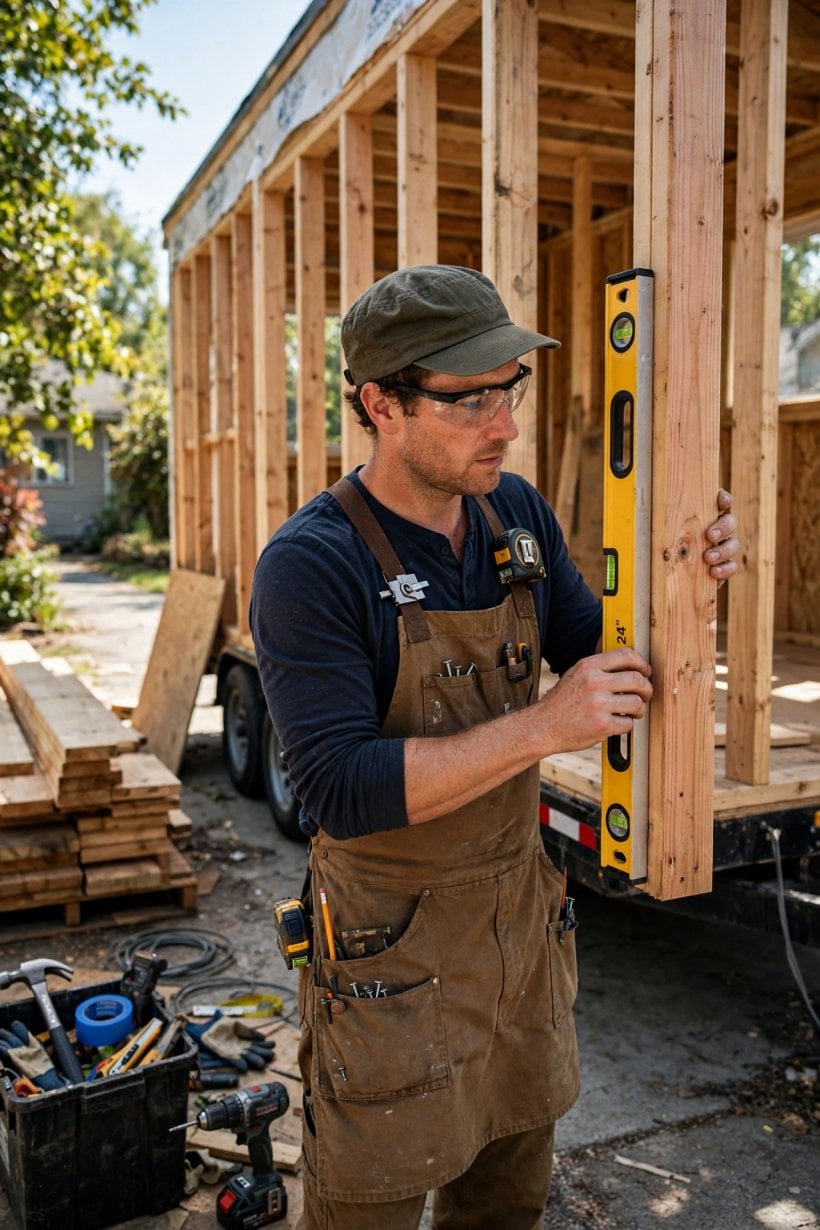
What a DIY builder can do is narrower but genuinely valuable. Build to NFPA 1192 voluntarily — buy the standard, follow it, and let its provisions shape the loft egress, the propane runs and the panel even though no seal will ever reward it; the knowledge protects you regardless. Get professional sign-off on the two systems that hurt people, with letters from a licensed electrician and plumber. And document everything — photographs, receipts, plans — as if a future underwriter will read the file, because one might: some specialty insurers and private lenders accept well-documented DIY builds, even though mainstream ones do not. The decision rule is blunt. If you plan to finance, insure conventionally, park in RV parks or resell, buy certified. DIY makes sense for cash buyers on private land who accept the limitations with open eyes.
8. How to Verify Certification When Buying
Because the seal is worth money, it is worth faking — so verification is a checklist, not a glance. First, find the seal itself on the unit’s exterior, usually near the entry door, and note its unique certification number. Second, ask for the manufacturer’s certificate, stating the unit’s VIN and its certification, and check the two documents agree. Third, confirm the manufacturer is listed as a current member in the RVIA member directory — memberships lapse, and a builder who was a member when your house was built may not be one now. Fourth, check the build date falls within the membership period.
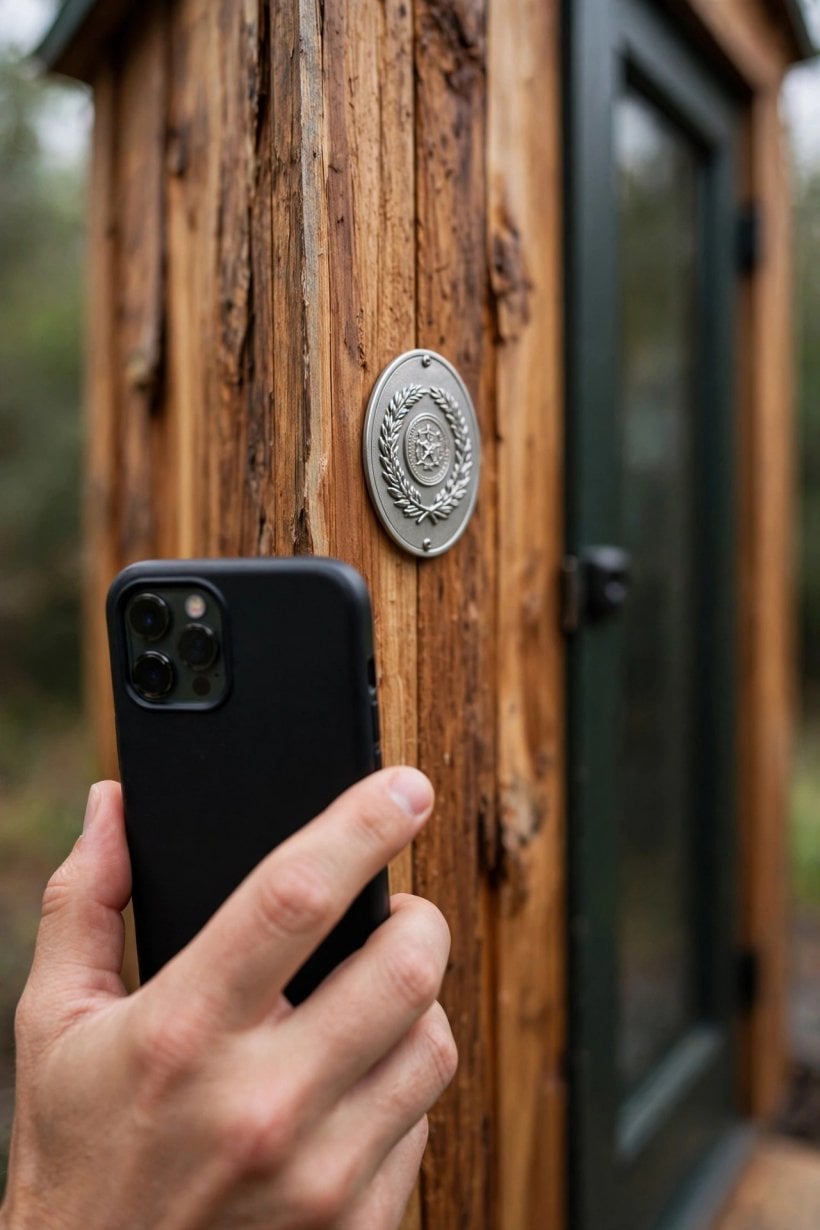
Two warnings complete the protocol. Counterfeit stickers exist, which is why the member directory — not the sticker — is the truth. And the English language is doing quiet work in every sales listing you will ever read: never accept “RVIA-compliant” in place of “RVIA-certified.” Compliant is meaningless, an adjective any seller can claim about anything; certified is verifiable, a fact you can check in a directory in two minutes. The same verify-before-you-pay discipline runs through our guide to how to inspect a used tiny home before buying, where the paperwork checks come before the crawl under the trailer — and in both cases, the documents are where the expensive lies live.
9. What Certification Does NOT Do
The seal’s limits matter as much as its power, because the most expensive misunderstandings come from expecting it to do jobs it never claimed. It is not a building code approval: it does not make the house a legal permanent dwelling, and zoning still governs where it can sit, as any owner who has worked through how to insure a tiny house learns when placement and cover collide. It is not a warranty — manufacturer warranties are separate documents with separate terms, and the seal promises nothing about who fixes what.
Nor is it a guarantee of quality beyond the standard’s minimums. A certified house can still be badly designed — cramped, dim, awkward to live in — because the standard certifies that systems are safe and correctly installed, not that the floor plan is wise. And certification is not permanent in any practical sense: modifications made after the fact, especially to the electrical and propane systems, can void the practical value of the seal, because the house the inspectors passed no longer exists in its certified form. Understand what the sticker promises, and what it does not, and it will never surprise you.
10. The Certification Decision Tree
Everything above compresses into five decisions. Buying new from a builder: require the seal. Non-negotiable — the premium is small, the doors it opens are the whole ownership experience, and a builder who cannot offer it is telling you something about their operation. Buying used: prefer certified units, and discount uncertified ones 15–25% for the limitations you are inheriting — the financing you cannot get, the insurance that costs more, the parks that will say no.
Building DIY for yourself, paying cash, on private land: build to the standard voluntarily, document everything, and accept the limitations as the price of the freedom. Building DIY while hoping to finance, insure conventionally or resell later: reconsider — the uncertified path fights you at every step, and the fight is structural, not a matter of finding a friendlier lender. And the final branch, which needs no tree at all: a builder claims “certified” but cannot verify it — walk away. Legitimate certification is always verifiable.
Final Considerations
RVIA certification is the tiny house industry’s answer to a trust problem: how does a lender, an insurer or a park manager know your house is safe without inspecting it themselves? The seal is the answer — third-party verification, to a national standard, done while the walls were still open. It costs the buyer a few thousand dollars folded into the price and returns multiples of that in financing access, insurance savings, parking options and resale value. In the world of the tiny house on wheels, the sticker is not optional equipment. It is the price of admission — and knowing exactly what it does, and does not, promise is what makes a buyer dangerous to fool and easy to lend to.


17 Comments