

Luxury vinyl plank is now the first floor many households shortlist, and plenty of shoppers begin with searches such as coretec flooring reviews 2018 before realising the useful questions are about the plank itself, not the label on the box.
This guide slows the decision down: what the floor is made of, how it wears, where it suits, what it needs underneath, and which paperwork to read before any money moves.
1. Coretec Flooring Reviews 2018: The What-To-Check Table
Reviews and roundups can tell you what other households noticed, but your rooms, subfloor and habits are the real test. Work through this table in the shop or showroom, ask each question out loud, and note the answers on the sample board. Any retailer or manufacturer who supplies a product should be able to point you to the document behind every claim, so treat vague answers as information in themselves.
| Check | Question to ask | Why it matters | Where to confirm |
|---|---|---|---|
| Core construction | What is the core made from, and how rigid is the plank? | Rigidity shapes how the floor copes with uneven subfloors and temperature change | The manufacturer’s specification sheet for the exact product |
| Wear layer | How is the wear layer described, and what finish protects it? | This transparent layer takes the daily abrasion from grit, chair legs and paws | Specification sheet; ask the retailer to explain the terms used |
| Plank size and pattern | What plank sizes are offered, and how much does the print vary? | Size and variation decide how natural a large floor looks once laid | Lay several planks together in the showroom and at home |
| Water behaviour | What exactly do the water claims promise, and for how long? | Terms like waterproof and water-resistant are defined by each warranty | The full warranty wording, not the box artwork |
| Installation method | Is it click, glue-down or loose lay, and what preparation does each need? | Method drives installation effort, repairability and which rooms suit it | The installation guide for the exact product |
| Warranty and care | What is covered, what is excluded, and what cleaning is approved? | Coverage and conditions differ widely between products | The complete warranty document before you buy |
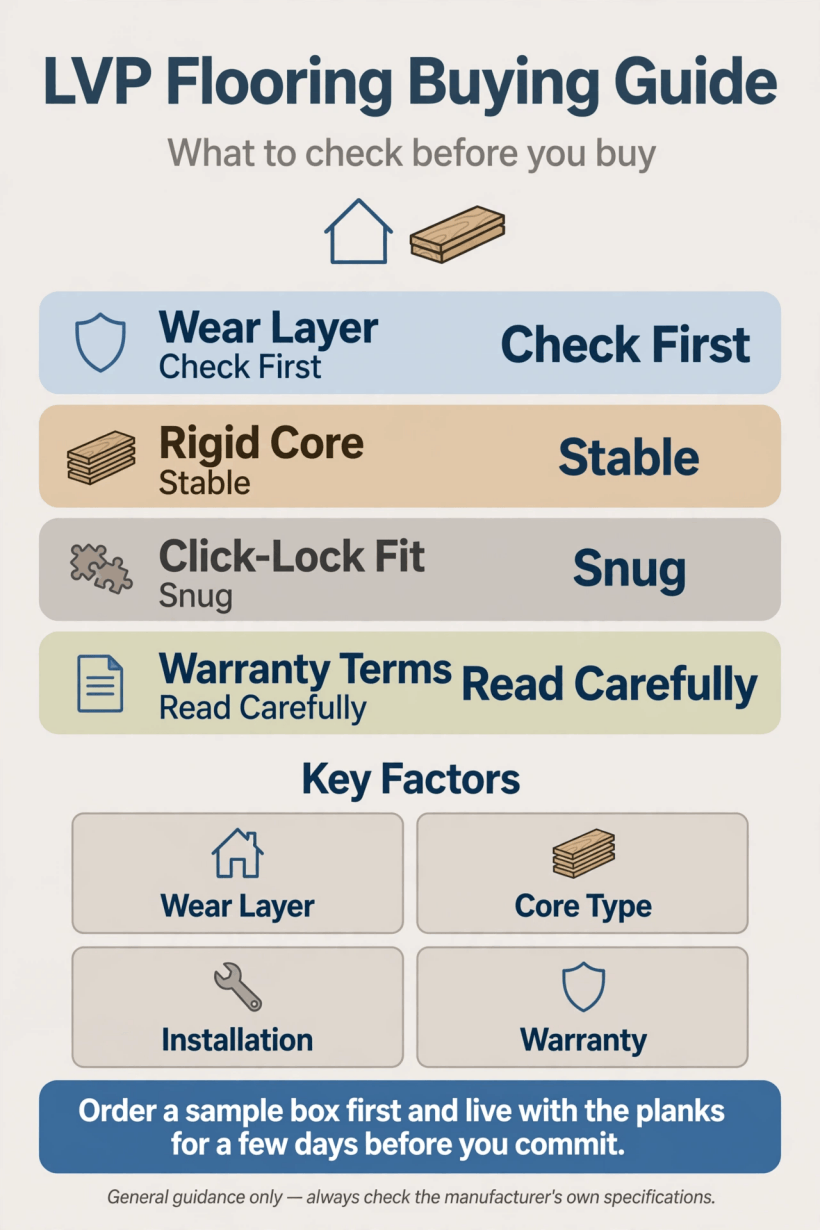
The calm way to buy LVP: six checks, asked in order, with every answer confirmed in the manufacturer’s own documents.
One habit protects you through everything that follows: buy the documents, not the adjectives. Words like premium, commercial-grade and lifetime only mean what the specification sheet and warranty say they mean. Keep PDFs or printed copies of the spec sheet, installation guide and warranty for the exact product and colour you order, because ranges are revised over time and the paperwork that matters is the paperwork that matches your planks.
2. Construction: What Is Inside the Plank
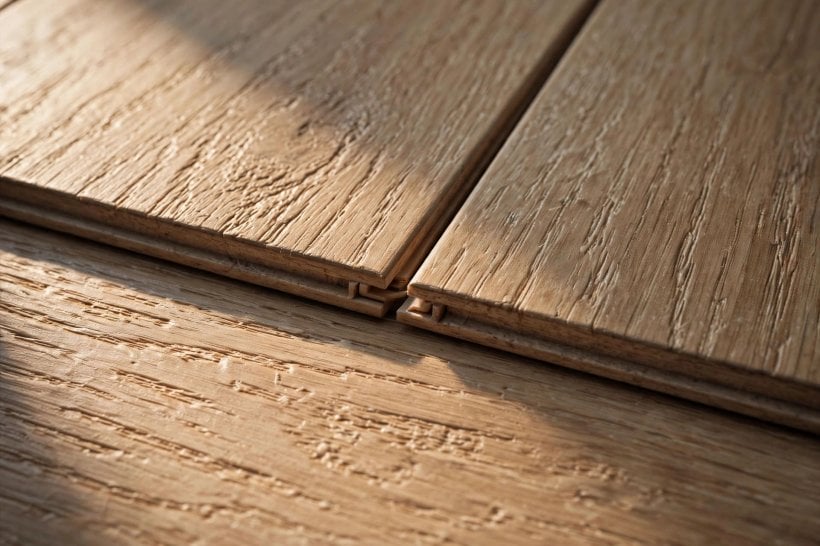
Every luxury vinyl plank is a sandwich. A printed design layer carries the wood or stone effect, a transparent wear layer protects it, and a core gives the plank its stiffness and stability. Products differ mainly in that core. Manufacturers describe cores with terms such as rigid core, stone-plastic composite or wood-plastic composite; treat those as category names to investigate rather than quality scores, and ask what the core of the specific product you are holding is actually made from.
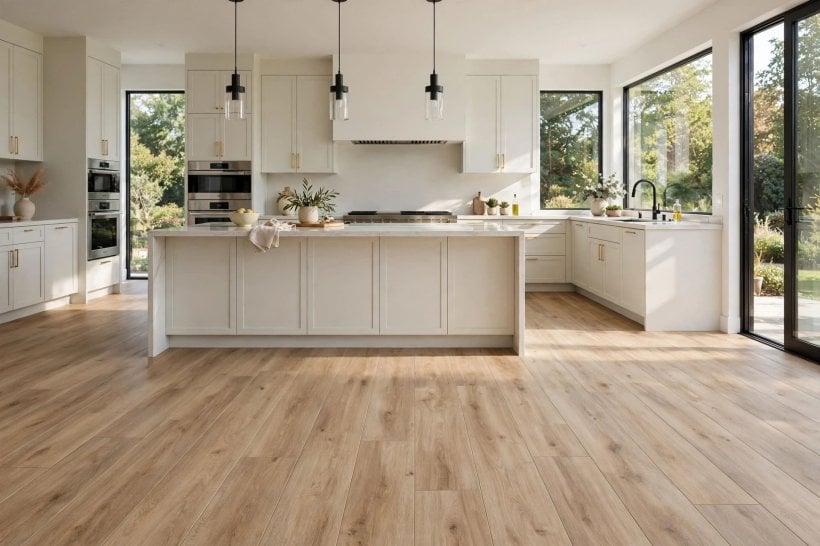
Rigid planks generally feel firmer underfoot and can be more forgiving over minor subfloor unevenness, while more flexible products may follow the floor beneath them more closely. Neither is automatically better; the right answer depends on your subfloor, room size and whether the floor floats or is glued. When you plan flooring as part of a whole-home refresh, the whole-room thinking in these home designing ideas for tiny houses helps, because a floor is the largest single surface in any room and everything else has to live with it.
Handle samples properly before judging construction. Flex the plank gently, look at the edge profile and locking mechanism, and run a fingernail and a key lightly across a corner of the sample, with the retailer’s permission, to see how the surface responds. Check how the manufacturer describes the backing, too: some planks include an attached underlay or cork layer, which changes both the feel and what extra materials you need to buy.
3. The Wear Layer and Finish: Where Daily Life Lands
If the core is the plank’s skeleton, the wear layer is its skin. This clear top layer is what shoes, grit, pet claws, chair castors and dragged furniture actually meet, and the surface finish above it influences how the floor resists scuffs and how easy it is to clean. Sellers describe wear layers in various ways, and numbers are only comparable when you know exactly what is being measured, so ask the retailer to explain the terminology on the specific product rather than comparing headline figures across brands.
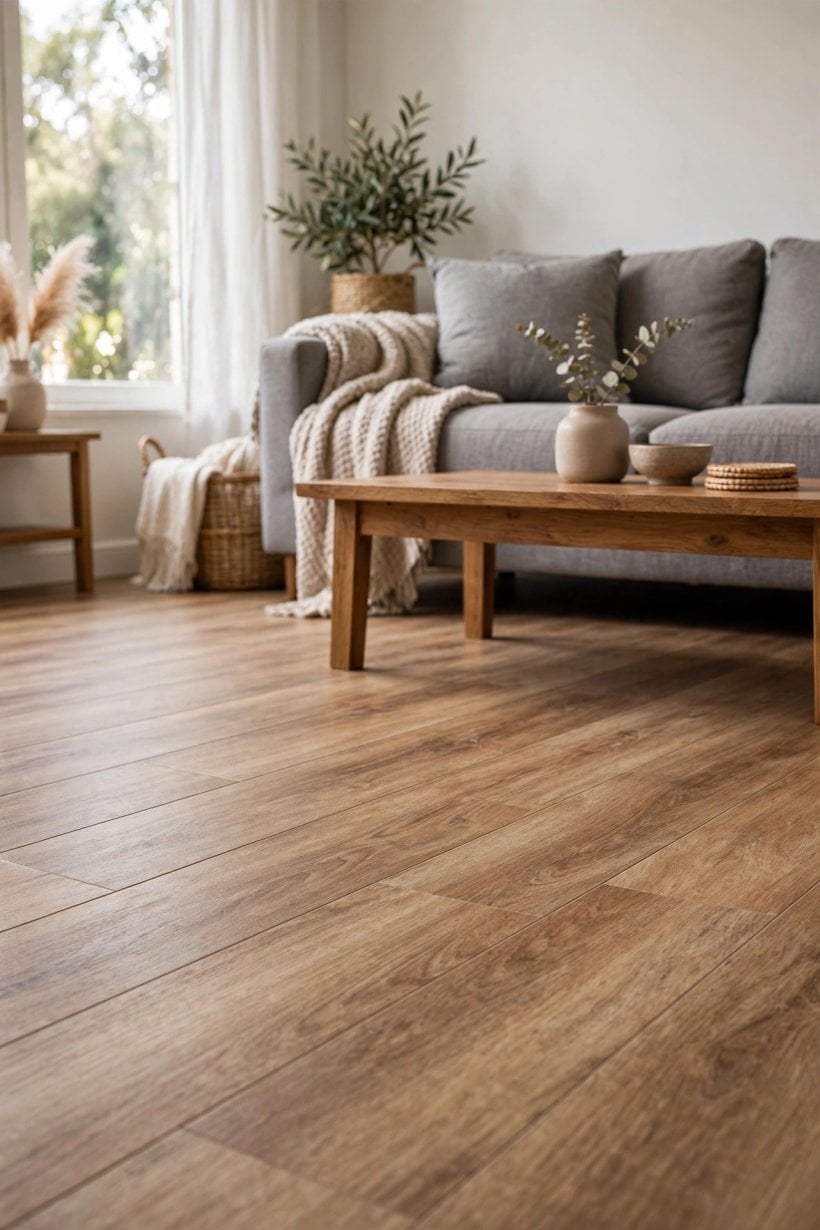
Think about your own traffic pattern honestly. A hallway in a house with dogs and outdoor shoes asks more of a floor than a spare bedroom, and a plank that is perfectly adequate for the bedroom may be the wrong choice for the hall. In homes planned room by room, like the layouts in these 2-bedroom tiny house floor plans, the practical answer is often one durable product throughout, so thresholds and repairs stay simple. Whatever you choose, confirm which cleaning products and methods the manufacturer approves, because the wrong mop regime can dull a finish faster than feet do.
4. Room by Room: Where LVP Earns Its Keep
LVP is popular because it tolerates the rooms that punish other floors. Kitchens bring spills, dropped pans and constant standing; bathrooms bring splashes and steam; basements bring cooler temperatures and the need to check moisture conditions carefully; hallways bring grit. The product’s suitability for each space is spelled out, or quietly limited, in its installation guide and warranty, so check the room you actually have against the documents for the product you actually want.
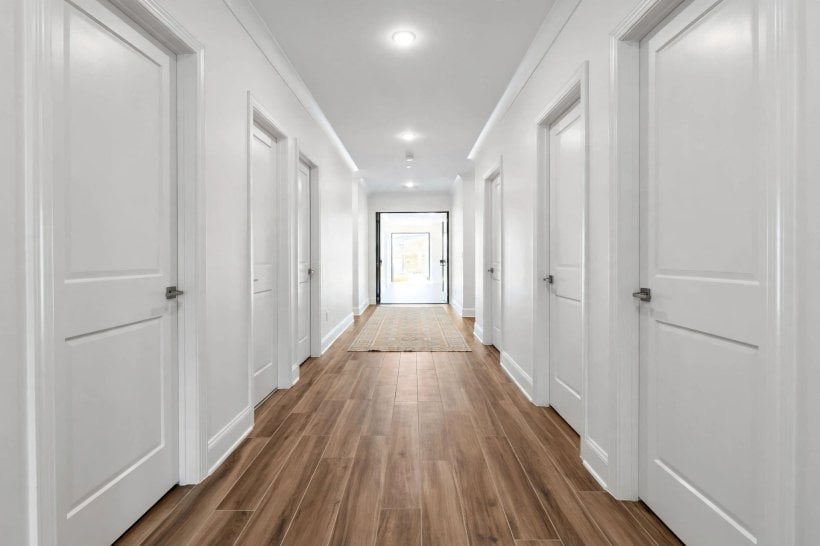
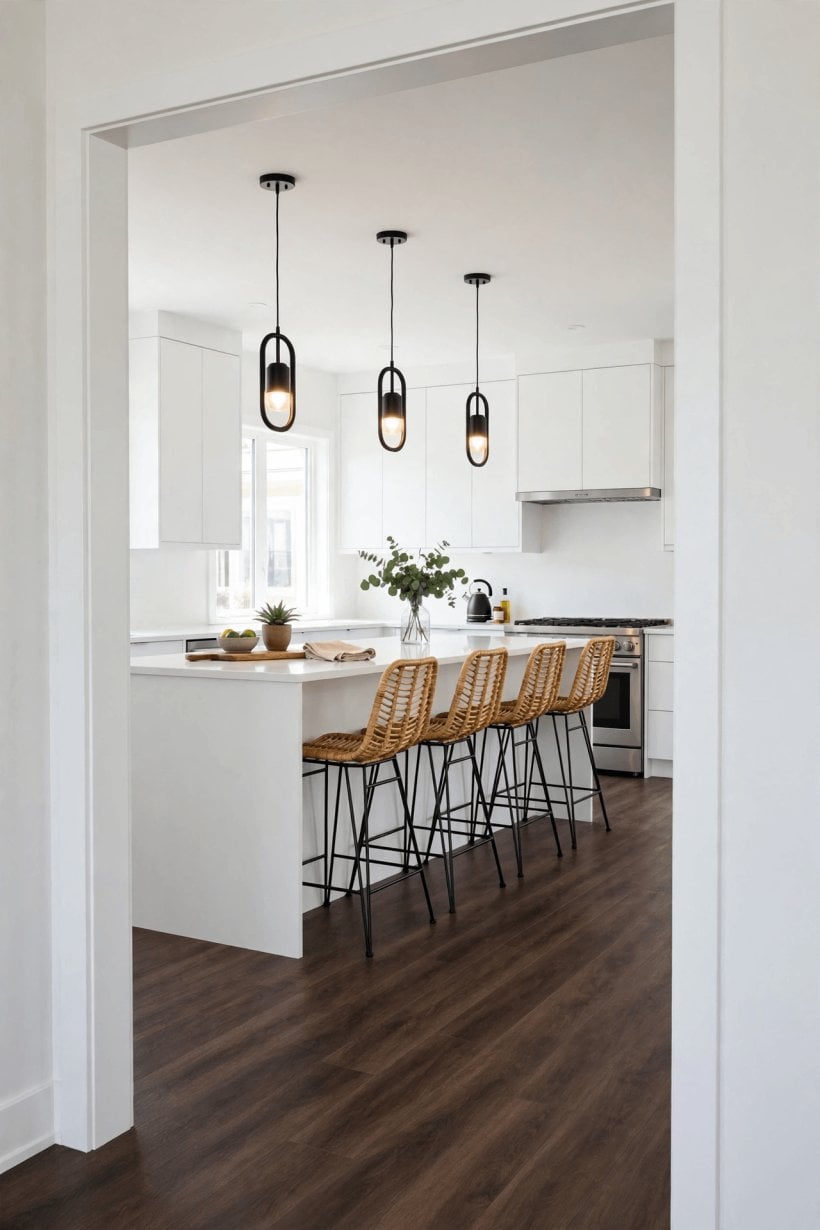
In kitchens, plan the floor alongside the units: small kitchens in particular reward a floor that can be cleaned fast and laid neatly around awkward corners, a point these kitchen ideas for tiny houses and small spaces make well for compact homes. In bathrooms, pay attention to what the manufacturer says about wet areas, sealing around fixtures and standing water. In basements and ground floors over concrete, follow the guidance on moisture testing and any required underlayment or vapour checks, and never assume a waterproof plank makes a damp subfloor a solved problem.
5. Subfloor and Preparation: The Unglamorous Half of the Job
Most flooring disappointments are subfloor disappointments wearing a new costume. Planks need the surface beneath them to meet the flatness, dryness and cleanliness conditions in the installation guide. That can mean removing old adhesive ridges, levelling dips, fixing squeaks in timber floors, or letting a new screed dry for the full period the product guidance specifies. None of this shows in photographs, and all of it shows in how the floor feels and lasts.
Ask direct questions before ordering: Who checks the subfloor, and with what tests? What preparation is included in any installation quote, and what counts as an extra? What expansion gaps, transitions and trims does this product require at doors and around fixed obstacles? The preparation mindset is the same one that makes these lightweight interior wall finishes for tiny houses succeed: surfaces behave when what sits behind them has been thought through. Budget time as well as money for preparation; a floor laid a day later on a ready subfloor beats a floor laid on time over a doubtful one.
Also plan the planks’ arrival. Manufacturers commonly instruct that flooring should rest in the room, in its packaging, for a stated acclimatisation period before fitting, and that rooms should be at normal living conditions during and after installation. Confirm the exact instructions for your product, arrange delivery so the schedule can honour them, and keep heavy trades, plastering especially, out of the finished room once the floor goes down.
6. Installation Methods: Click, Glue-Down and Loose Lay
Click-lock floating floors join plank to plank and rest on the subfloor, which makes them popular for confident DIY fitting and for rooms that may need a plank lifted later. Glue-down floors are fixed across their whole area, giving a very solid feel and often suiting larger or busier spaces. Loose-lay products rely on weight and friction, sometimes with adhesive only at edges or in key zones. Each method has its own preparation, tools and repair story, so choose by room and by who is fitting, not by habit.
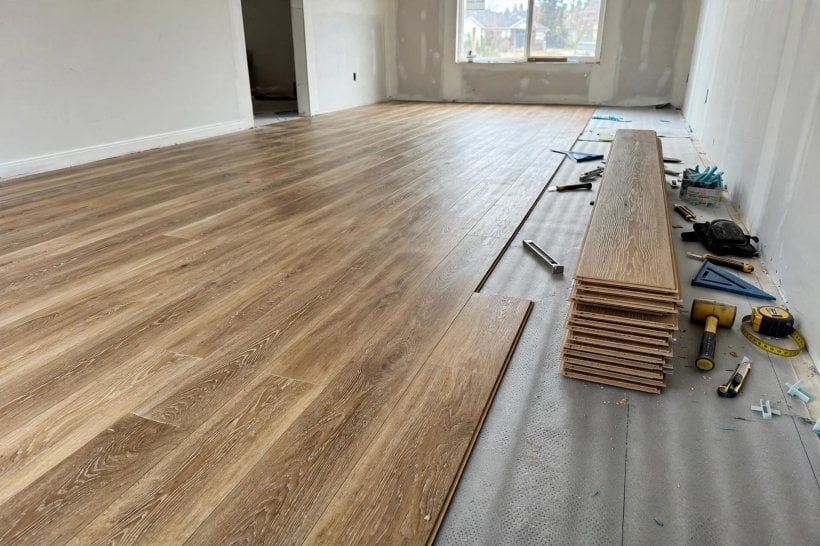
Read the installation guide for your exact product before committing, and follow its stated requirements for underlay, expansion space, and stair and threshold details. If you are hiring a fitter, ask whether they have installed this specific system before and who is responsible if a plank fails at a joint. In small homes, where one floor often runs through every room, the joined-up approach in this tiny house and small-space interior design guide is worth borrowing: continuity makes small rooms feel larger, but only if doorways, stairs and wet areas are detailed properly at the joins.
7. Sound, Warmth and Life Underfoot
A floor is something you hear and feel as much as see. Planks over hard subfloors can sound bright or hollow in some rooms, and the attached backing or separate underlay a product specifies makes a real difference to footfall noise, both in the room and in the room below. If the home has bedrooms beneath living spaces, or a flat below yours, ask what the manufacturer and, where relevant, your building’s rules say about acoustic underlay, and confirm that any underlay you add is approved for the product.
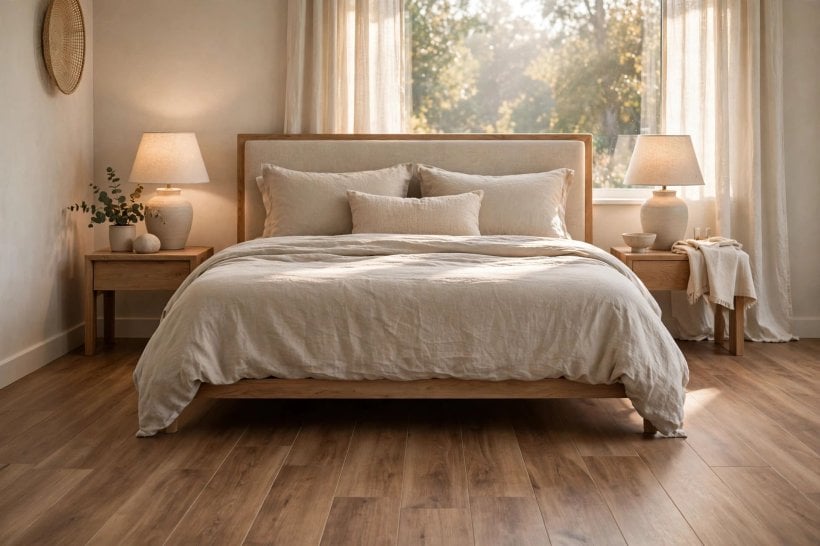
Underfoot warmth is the other half of comfort. Vinyl generally feels less cold than stone or ceramic tile but cooler than carpet, and rugs remain the simplest way to tune a room. If underfloor heating is part of the plan, this becomes a documents question again: check whether the exact product is approved for use over your type of heating system, what temperature limits the manufacturer sets, and what the heating supplier requires in return. Never pair a floor and a heating system on a salesperson’s verbal assurance alone; get both sets of guidance in writing and keep them together.
8. Looks That Last: Print, Embossing and Bevels
The prettiest sample in the shop can disappoint across forty square metres if the print repeats too obviously. Ask to see several planks from the same range side by side, and check how many distinct patterns the design uses and how the grain aligns at the ends. Surface embossing that follows the printed grain, often described as embossed-in-register, tends to look and feel more convincing than a uniform texture, but judge with your own eyes and hands rather than by the brochure words.
Edges matter too. Bevelled edges outline each plank and can forgive tiny height differences; square edges give a smoother, more continuous sheet-like look. Gloss level changes everything in daylight: higher sheen shows scratches and dust sooner, while matt finishes hide daily life better in busy homes. Take samples home, live with them beside your cabinets and sofas for a few days, and look at them morning and evening, because the floor you are buying is the one under your light, as these tiny house decorating ideas remind anyone planning a room around real daylight.
9. Cost Drivers, Samples and Ordering Checks
Talking qualitatively, LVP budgets stretch or shrink on a handful of predictable things: the product tier you choose, the preparation your subfloor turns out to need, the installation method, trims and transitions, stairs, and how much waste your room shapes create. A cheap quote that assumes a perfect subfloor can end up costing more than an honest quote that includes preparation, so compare quotes by what they include, line by line, rather than by the headline figure.
Order carefully. Measure rooms properly, or have the retailer or fitter measure, and confirm how the required quantity was calculated, including an allowance for cuts and future spares. Check batch and delivery details when the order arrives, inspect a few boxes before the fitting day, and confirm the returns position on unopened boxes while you still have the receipt and the conversation is easy. Whole-home projects make the point clearly: in these 3-bedroom tiny house designs, the rooms that stay on budget are the ones where quantities and details were agreed before work started, not discovered during it.
10. Care, Repairs and Keeping Spares
Day-to-day, LVP asks for simple habits: sweep or vacuum grit before it can scratch, mop with the products and methods the manufacturer approves, wipe spills promptly even on water-resistant floors, and put felt pads under furniture feet. Door mats at entrances do more for any floor’s lifespan than any premium finish, and lifting rather than dragging heavy furniture prevents the kind of damage no warranty was written to cover.
Repairs are a method question. With click systems, a damaged plank in the middle of a room may mean carefully working back from the nearest edge; with glue-down, a single plank replacement is a different, adhesive-based job. Ask the retailer to explain, for your exact product, how a plank swap is done and what it involves, then keep a small number of spare planks from the same batch stored flat in the house. Note the product name, colour and batch somewhere durable, on the warranty paperwork is ideal, because ranges are refreshed and an exact match years later is luck, not a plan.
Final Considerations
Buy LVP the way you would buy a good coat: check the material, the stitching you cannot see, the fit for the life you actually live, and the terms you fall back on if something fails. Work through the table in section one, read the specification, installation and warranty documents for the exact product, prepare the subfloor properly, and keep spares and paperwork safe. Do that, and whichever reputable range you choose, you will have chosen it with open eyes, which matters far more than whichever name happened to top a list the year you searched.




0 Comments